




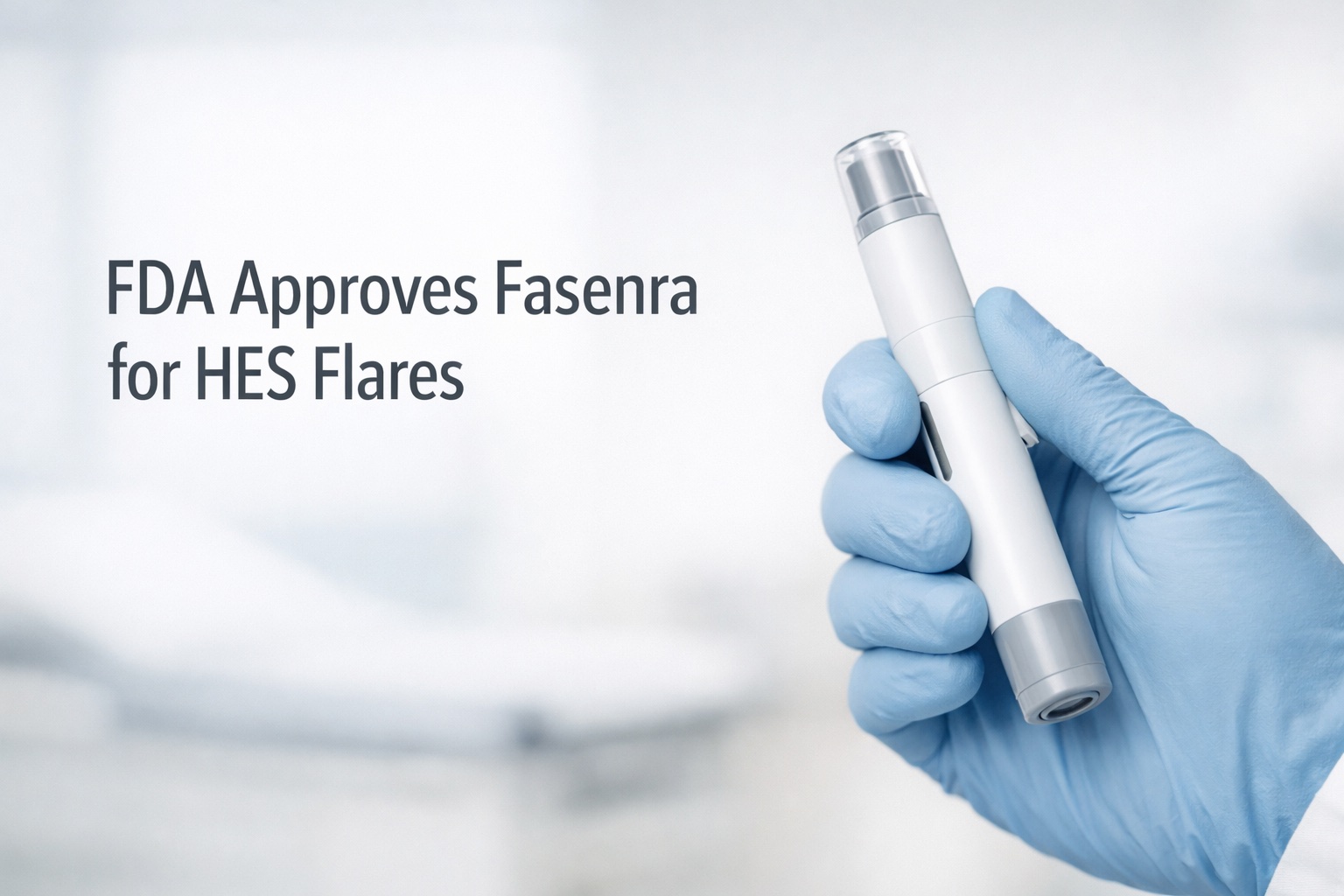
When the FDA approves a new treatment for a rare and difficult condition, it often marks a turning point for patients who have spent years dealing with unpredictable symptoms. That is exactly what happened with the approval of Fasenra, a medication given as an under the skin shot that has now been cleared to help reduce flares in people living with hypereosinophilic syndrome, also known as HES. This condition is rare, long lasting, and can be dangerous if not managed well. The approval gives patients and families a new option that is easier to take and has been shown to reduce flare ups in clinical studies.
Fasenra, also known by its scientific name benralizumab, is not new to the medical world. It has already been used for years to treat severe eosinophilic asthma and other eosinophil driven diseases. But the FDA has now expanded its use to include adults and children aged 12 and older who have HES without a known secondary cause. This means the drug can now help a broader group of people who have limited treatment options and often struggle with symptoms that interrupt daily life.
Understanding Hypereosinophilic Syndrome in Simple Terms
Hypereosinophilic syndrome is a group of rare disorders where the body produces too many eosinophils. Eosinophils are a type of white blood cell that normally help fight infections and allergies. But in HES, the body makes far more of them than it needs. When eosinophil levels stay high for long periods, they can build up in organs and tissues, causing inflammation and damage.
People with HES may experience symptoms like fatigue, rashes, breathing problems, stomach issues, or pain in different parts of the body. The symptoms vary widely because eosinophils can affect many organs. If the condition is not treated, the damage can become serious over time and may even be life threatening.
Because HES is rare, many patients spend years trying to find the right diagnosis and treatment. Traditional treatments often include steroids, which can help but may cause side effects when used long term. That is why having a targeted treatment like Fasenra is an important step forward.
What Fasenra Is and How It Works
Fasenra is a type of medication called a monoclonal antibody. In simple terms, it is a lab made protein designed to target a specific part of the immune system. Fasenra attaches to a receptor on eosinophils and helps reduce their numbers in the body. By lowering eosinophil levels, the medication helps prevent the inflammation and tissue damage that lead to HES flare ups.
The drug is given as a shot under the skin, usually in the upper arm, thigh, or abdomen. For people with HES, the recommended dose is 30 mg once every 4 weeks. This schedule makes it easier for patients to stay on track with treatment without needing frequent doctor visits.
Fasenra is available in a prefilled syringe or an autoinjector pen, which allows for consistent dosing. The prescribing information confirms that the medication is approved for adults and children aged 12 and older with HES and is administered subcutaneously.
What the Clinical Trial Showed
The FDA approval was based on results from a major clinical study called the NATRON Phase III trial. This study looked at how well Fasenra worked for people with HES and compared it to a placebo. The results were clear: Fasenra significantly reduced the risk of the first HES flare by 65 percent. In other words, people taking Fasenra were far less likely to experience a flare up than those who received a placebo.
The study also showed that Fasenra delayed the time to the first flare. This means patients went longer without symptoms worsening. For a condition that can disrupt daily life, the ability to reduce and delay flares is a major benefit.
Common side effects seen in the study included headache, rash, hypersensitivity reactions, and flu like symptoms. These reactions were reported in at least 5 percent of patients and were more common than in the placebo group.
Experts involved in the study emphasized how meaningful these results are. The principal investigator noted that the treatment not only reduced flares but also helped address fatigue, which is one of the most difficult symptoms for many patients. Patient advocacy leaders also highlighted how the approval brings hope to families who have struggled with the daily challenges of HES.
Why This Approval Matters for Patients
For people living with HES, flare ups can be unpredictable and exhausting. They may cause symptoms that make it hard to work, go to school, or maintain normal routines. Many patients also worry about long term organ damage. Having a treatment that specifically targets the cause of the disease and reduces flare ups can make a major difference in quality of life.
Fasenra is also easier to take than some older treatments. Because it is given as a shot under the skin once every 4 weeks, it fits more easily into daily life. Patients do not need to take pills every day or rely on high dose steroids that can cause side effects over time.
Another important point is that Fasenra has already been used safely in other eosinophil related conditions. It is approved in more than 80 countries for severe eosinophilic asthma and in more than 70 countries for eosinophilic granulomatosis with polyangiitis. This long history of use gives doctors and patients more confidence in its safety profile.
Who Can Receive Fasenra for HES
The FDA approval covers adults and children aged 12 and older who have hypereosinophilic syndrome without a known non hematologic secondary cause. This means the condition cannot be explained by another disease such as certain cancers or infections. For these patients, Fasenra offers a targeted option that goes beyond general immune suppressing treatments.
The prescribing information confirms that the recommended dose for HES is 30 mg every 4 weeks. The medication is not meant for sudden breathing problems or emergency situations. It is designed as a long term maintenance treatment to help keep symptoms under control.
Safety Information in Plain Language
Like all medications, Fasenra comes with safety considerations. The most important is the risk of hypersensitivity reactions. These reactions can include swelling, hives, rash, or in rare cases, anaphylaxis. Patients should be monitored after receiving the injection, especially the first few doses. If a serious reaction occurs, the medication should be stopped.
People who take steroids for HES should not stop them suddenly when starting Fasenra. Steroids need to be reduced slowly under a doctor’s supervision. The prescribing information also notes that people with certain parasitic infections should be treated before starting Fasenra. This is because the medication affects eosinophils, which play a role in fighting some parasites.
Overall, the safety profile of Fasenra in the HES study was consistent with what has been seen in other conditions where the drug is already approved.
What This Means for the Future of HES Treatment
The approval of Fasenra for HES marks a major step forward in the treatment of eosinophil driven diseases. It shows that targeted therapies can make a real difference for patients with rare conditions that previously had limited options. It also highlights the growing understanding of how eosinophils contribute to disease and how reducing their levels can help prevent flare ups and long term damage.
For patients, this approval means more control, fewer flare ups, and a treatment that fits more easily into everyday life. For doctors, it provides another tool to help manage a complex condition. And for families, it brings hope that life with HES can become more predictable and less disruptive.
As more research continues, treatments like Fasenra may pave the way for even more targeted therapies in the future. For now, the FDA approval offers a meaningful new option for people who have been waiting for better ways to manage their condition.
Better Treatment, Lower Cost – No Catch.
Find safer, more effective medications with fewer side effects – often for less money. It’s fast, free, and personalized. Learn More →
Sources (2)
- AstraZeneca. FASENRA approved in US for hypereosinophilic syndrome.
https://www.astrazeneca-us.com/content/az-us/media/articles/2026/FASENRA-approved-in-US-for-hypereosinophilic-syndrome.html - FDA Prescribing Information for Fasenra (benralizumab).
https://fda.report/DailyMed/da6aca1a-19ed-44a4-abb7-696c7d58b784