




In late 2025 a White House briefing mentioned two things that grabbed headlines: a possible link between acetaminophen (Tylenol) in pregnancy and autism, and leucovorin (also called folinic acid) as a potential treatment for some children with autism. That announcement was followed by a sharp jump in prescriptions for leucovorin and a scramble at pharmacies as families tried to fill new orders.
Why leucovorin suddenly mattered
Leucovorin is not a new miracle drug. It’s a form of folate used for decades to reduce side effects from certain chemotherapy drugs and to treat specific metabolic conditions. The White House framed it as a possible therapy for children who have cerebral folate deficiency, a rare condition that can overlap with some features of autism. That brief public endorsement, coming from high-level officials, appears to have changed behavior quickly: researchers found a large, short-term increase in outpatient leucovorin prescriptions for children after the briefing.
A study published in The Lancet (reported by Brown University and covered widely in the press) analyzed electronic health records and estimated that leucovorin prescriptions rose roughly 71% above expected levels in the weeks after the announcement. At the same time, acetaminophen orders for pregnant patients in emergency departments fell by about 10% compared with expected trends. The authors interpreted this as evidence that a single high-profile political message can quickly influence both patient and clinician behavior.
Is leucovorin an effective treatment for autism?
Short answer: Not for most people with autism. Longer answer: there are specific, rare biological situations where leucovorin can help, but the evidence that it broadly treats autism is limited and mixed.
- Cerebral folate deficiency (CFD) is a real, diagnosable condition in which folate transport into the brain is impaired. In children with CFD, folinic acid (leucovorin) can correct the biochemical problem and sometimes improve developmental outcomes. But CFD is uncommon and requires specific testing to diagnose.
- Small clinical studies and anecdotal reports have suggested that some children with autism-spectrum disorder (ASD) might show improvements in language or behavior after folinic acid treatment, especially when they have low folate-related markers. However, these studies are generally small, sometimes open-label (no placebo), and results are inconsistent. That means we can’t confidently say leucovorin helps most children with autism.
- Major medical guidelines do not list leucovorin as a standard autism treatment. Experts caution that more rigorous, larger randomized trials are needed to determine who – if anyone beyond those with CFD – might benefit.
Because of these nuances, many pediatricians and developmental specialists remained cautious after the White House announcement; some refused to prescribe leucovorin without clearer evidence or diagnostic testing. That caution, in turn, pushed some families to seek out specialists or to try to fill prescriptions through neurologists willing to trial the drug.
What families have experienced
Parents who pursued leucovorin described long phone calls to pharmacies and empty shelves. One family profiled in national coverage spent days calling dozens of pharmacies before finding a neurologist willing to prescribe and a pharmacy that had stock. Online support groups filled with parents asking where to find the drug and how to get a prescription. These real-world supply problems followed the spike in demand documented by researchers.
Pharmacies and wholesalers can be slow to respond to sudden demand spikes for older, generic drugs. Leucovorin is typically produced in limited quantities for its established uses; a rapid, unexpected increase in pediatric prescriptions can outpace manufacturing and distribution, creating temporary shortages.
A quick comparison: what the evidence looks like
| Question | What we know | What it means for families |
| Does leucovorin treat cerebral folate deficiency? | Yes, it can correct the biochemical problem and sometimes improve outcomes. | If testing shows CFD, leucovorin may be appropriate under specialist care. |
| Does leucovorin treat autism broadly? | Evidence is limited and mixed; small studies show possible benefits in subgroups but not generalizable. | Most children with autism are unlikely to see a clear, predictable benefit. |
| Did the White House mention change prescribing? | Yes – prescriptions rose sharply after the briefing. | That surge strained supply and created access problems for families. |
Safety and medical advice
If you’re considering leucovorin for a child, talk with a pediatrician or developmental specialist first. They can evaluate whether testing for cerebral folate deficiency or other metabolic issues is appropriate. Medical professionals can also explain potential benefits and risks and help avoid unnecessary or unsafe self-directed treatments. This is not medical advice; it’s a prompt to consult a qualified clinician.
Why public statements matter so much
The episode shows how a single, high-profile statement can change behavior across the health system. The Lancet study authors and other commentators argued that political messaging bypassed the usual scientific vetting and guideline processes, producing rapid shifts in both patient choices and clinician prescribing. That can be helpful when new, robust evidence emerges – but it can also cause confusion, unnecessary fear (for example, about acetaminophen in pregnancy), and supply problems when evidence is preliminary.
Practical takeaways for parents and caregivers
- Ask for testing if recommended. If a clinician suspects cerebral folate deficiency, testing can clarify whether leucovorin is likely to help.
- Be cautious about headlines. Early or small studies don’t always translate into reliable treatments for everyone.
- Talk to trusted clinicians. Pediatricians and developmental specialists can help weigh risks, benefits, and alternatives.
- If you can’t find the drug, don’t improvise. Trying unregulated sources or changing doses without medical oversight can be risky. Consult a pharmacist or clinician for safe options.
What to watch next
Researchers will likely follow up with larger, better-controlled trials to test whether specific subgroups of children with ASD benefit from folinic acid. Regulators and professional societies may also issue clearer guidance if new evidence emerges. In the meantime, expect supply to stabilize as manufacturers and distributors respond to demand – but be prepared for short-term shortages in some areas.
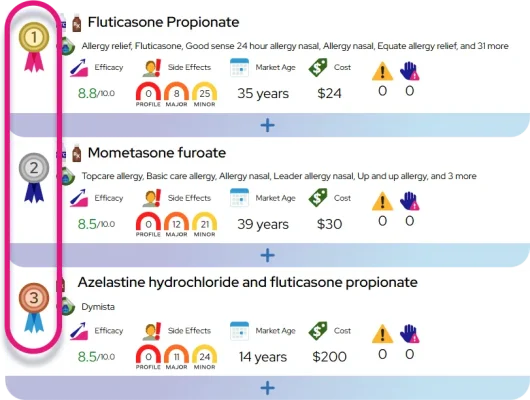
Better Treatment, Lower Cost – No Catch.
Find safer, more effective medications with fewer side effects – often for less money. It’s fast, free, and personalized. Learn More →
Sources (5)
- Leucovorin prescriptions surged after the White House touted the drug for autism. Parents are still scrambling to find it.
https://www.yahoo.com/news/articles/leucovorin-prescriptions-surged-white-house-233034085.html - Study suggests Trump’s unproven autism claims influenced care.
https://www.aol.com/articles/study-suggests-trumps-unproven-autism-234044611.html - Study tracks surge in leucovorin after White House promotion.
https://www.news-medical.net/news/20260306/Study-tracks-surge-in-leucovorin-after-White-House-promotion.aspx - How a White House Claim Changed Medical Practice Overnight.
https://www.aol.com/articles/white-house-claim-changed-medical-234400057.html - Leucovorin Prescriptions Surge After White House Autism Claim.
https://nationaltoday.com/us/tx/austin/news/2026/03/05/leucovorin-prescriptions-surge-after-white-house-autism-claim