




Category: Health Info
-

Do magnesium supplements help sleep? What the science and data actually say
Sleep problems are common, and magnesium is one of the most frequently recommended over‑the‑counter options people turn to. The evidence is mixed but growing: observational studies link higher magnesium intake to better sleep, several randomized trials in older adults show modest improvements (especially faster sleep onset), and systematic reviews call for larger, higher‑quality trials. We’ll
-
Leucovorin as Autism treatment and the sudden rush: what the science actually says
In late 2025 a White House briefing mentioned two things that grabbed headlines: a possible link between acetaminophen (Tylenol) in pregnancy and autism, and leucovorin (also called folinic acid) as a potential treatment for some children with autism. That announcement was followed by a sharp jump in prescriptions for leucovorin and a scramble at pharmacies
-
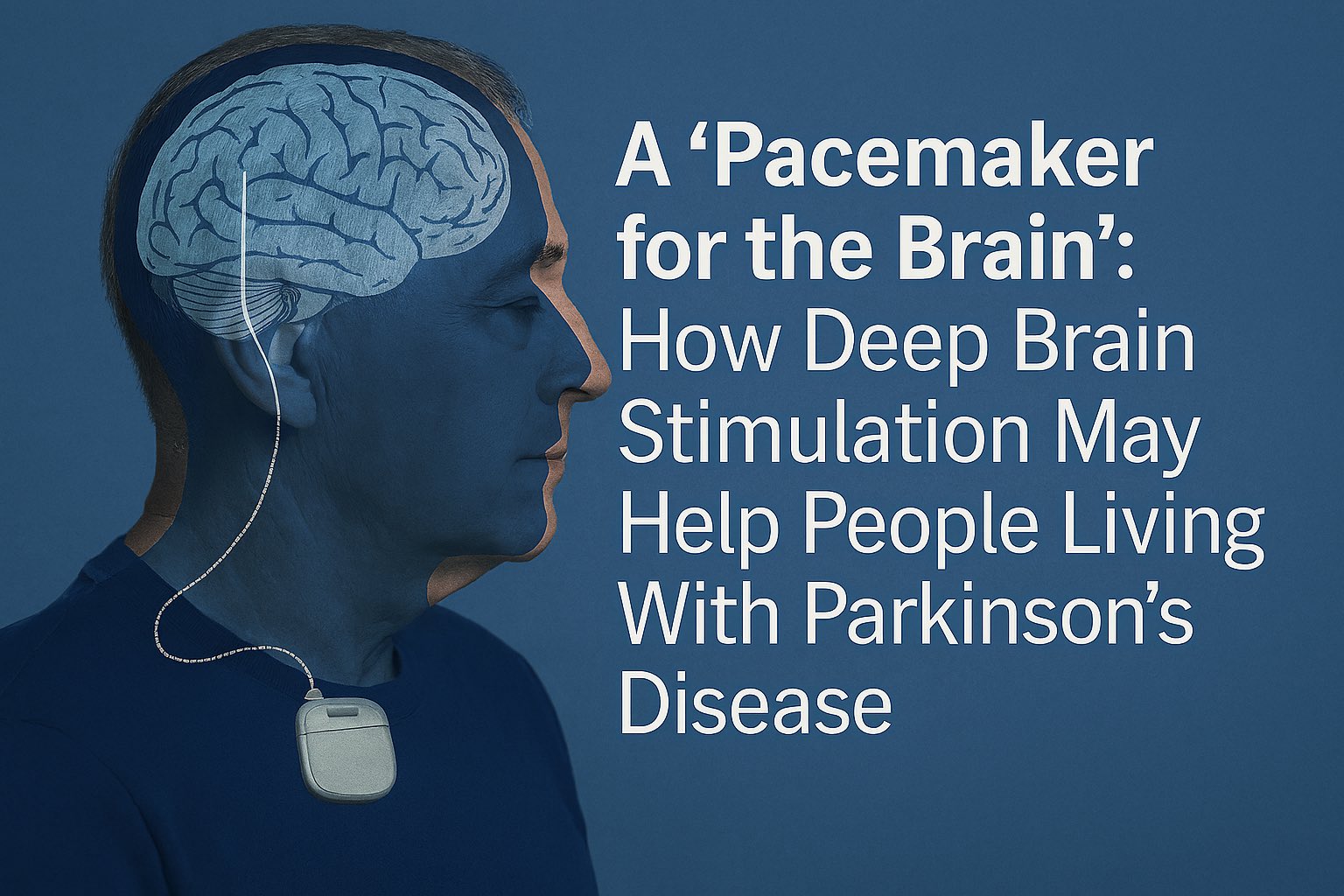
Pacemaker for the Brain – How Deep Brain Stimulation May Help People Living With Parkinson’s Disease
Deep brain stimulation – often described as a “pacemaker for the brain” – has become one of the most promising medical technologies for people with Parkinson’s disease whose symptoms are no longer well‑controlled by medication alone. While it doesn’t cure the disease, it can meaningfully reduce tremors, stiffness, and movement problems that interfere with daily
-

Colon Cancer – What It Is, Why It Happens, and Why Early Screening Matters
Colon cancer is one of the most common cancers in the United States, yet it’s also one of the most preventable. When caught early, it’s highly treatable. When ignored, it can quietly grow for years before causing serious problems. Understanding how colon cancer develops, who’s at risk, and what warning signs to watch for can
-

Lyme Disease – Where It Came From, How to Spot It, and What Treatments Work
Lyme disease is a bacterial infection spread by ticks. It can start with a rash and flu-like symptoms, and if not treated, it can affect joints, the heart, and the nervous system. This short guide covers the origin of Lyme disease, common signs to watch for, how doctors diagnose it, and the medicines used to
-

Beyond Distraction: ADD and ADHD Explained – Subtypes, Treatments, and What Works Best
Attention Deficit Hyperactivity Disorder (ADHD), including its historical variant Attention Deficit Disorder (ADD), is a prevalent neurodevelopmental disorder characterized by persistent patterns of inattention, hyperactivity, and impulsivity. Affecting approximately 5% of children and 2.5–3% of adults globally, ADHD is associated with significant impairments in academic, occupational, and social functioning. The disorder is heterogeneous, with multiple
-

Stop Before You Swallow – The Daily Pills Most People Shouldn’t Be Taking
Millions of Americans start their morning with a routine that feels healthy: a multivitamin, a fish oil capsule, maybe an extra vitamin D pill, and an over‑the‑counter pain reliever “just in case.” It feels proactive. It feels safe. But research shows that many of the medications and supplements people take every single day offer little
-
How to Prevent and Manage Flu and Its Complications: Practical Steps, Medications, and When to Seek Care
Get your annual flu shot, practice basic hygiene (handwashing, masks when sick), and start antiviral treatment early if you’re high‑risk or very ill – antivirals shorten illness and lower complications when used promptly. Why prevention matters Flu can be serious. Annual vaccination is the single best way to reduce your risk of getting sick and
-
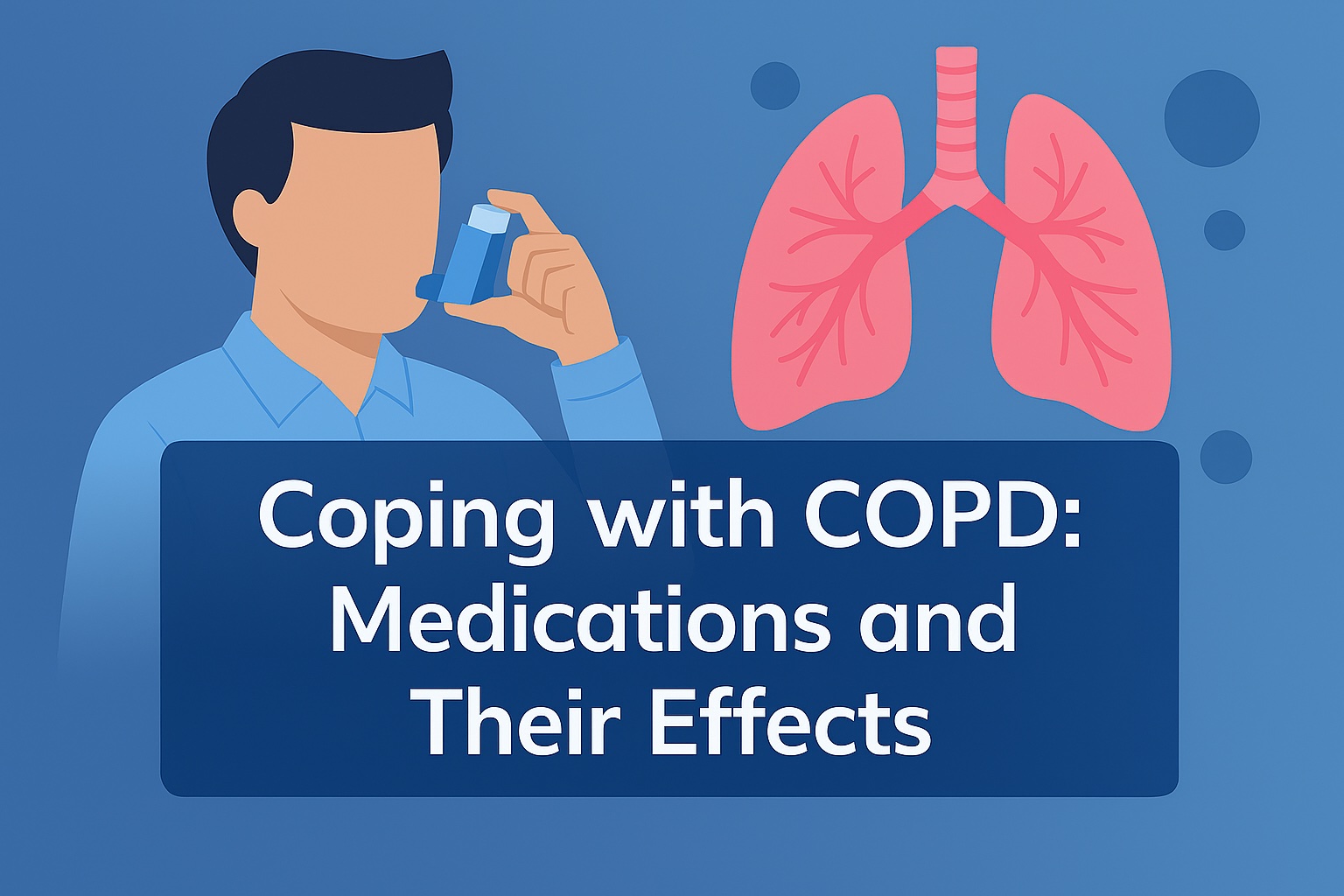
Coping with COPD: medications like tiotropium, how well they work, and the trade‑offs to expect
Living with COPD can feel like your lungs are always “on the edge.” The good news is there are medications that can open airways, reduce flare‑ups (exacerbations), and make daily life more manageable. This guide focuses on tiotropium (a common once‑daily inhaler) and similar treatments, explaining how they work, what studies say about benefits, and
-
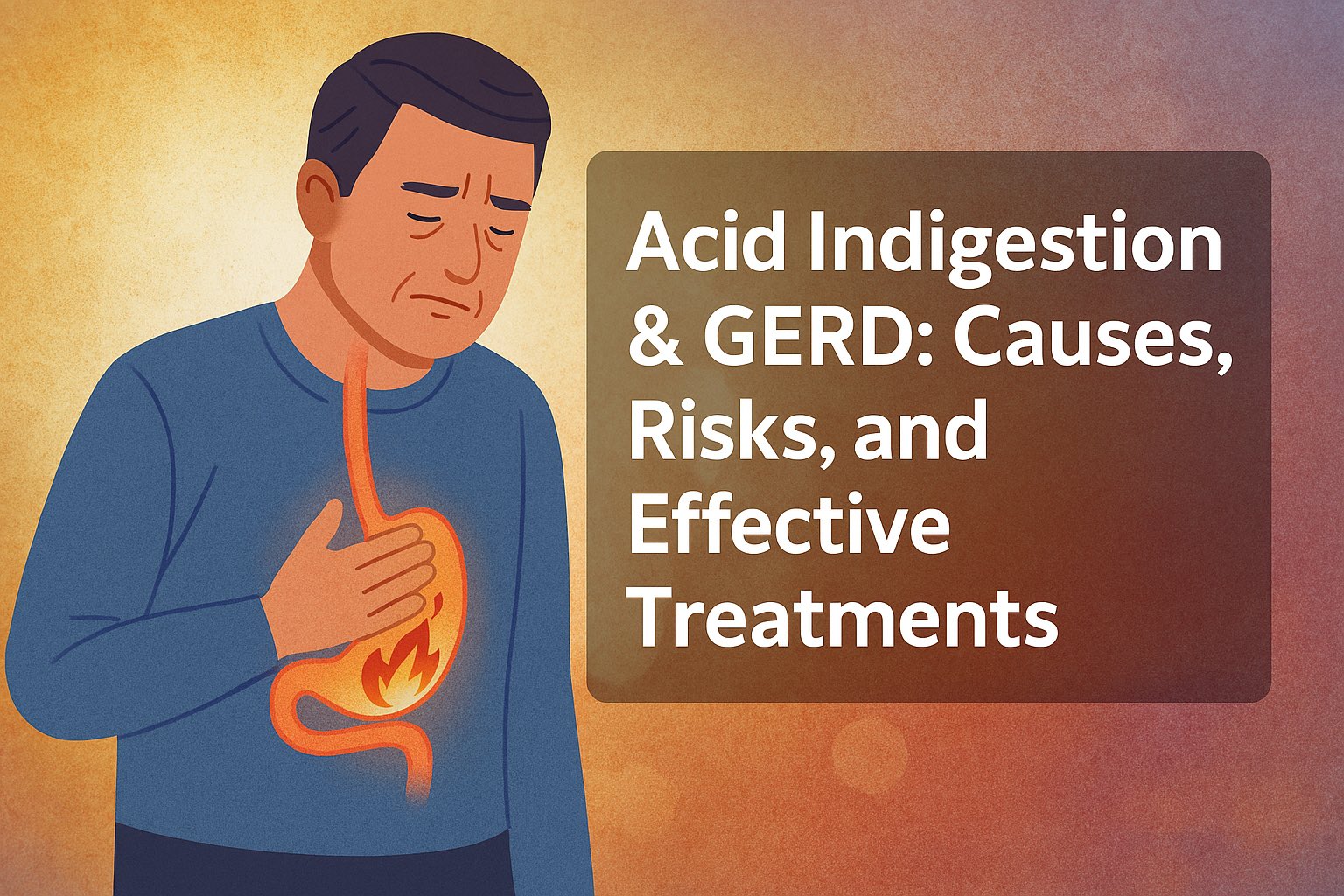
Acid Indigestion and GERD: Causes, Risks, and Effective Treatments
Acid indigestion and gastroesophageal reflux disease (GERD) are among the most prevalent gastrointestinal disorders globally, affecting millions of individuals and imposing significant clinical, economic, and quality-of-life burdens. Acid indigestion, often referred to as heartburn or dyspepsia, is characterized by a burning sensation in the chest or upper abdomen, frequently after meals. GERD, a chronic and