




Category: General Education
-
New Cholesterol Guidelines Mean 87.5 Million U.S. Adults Are Now Eligible for Statins
Statins have been around for decades, but the number of people who qualify for them has just jumped in a major way. Updated cholesterol guidelines now classify 87.5 million U.S. adults as eligible for statin therapy. That is nearly one out of every three adults in the country. The change comes from new recommendations that…
-
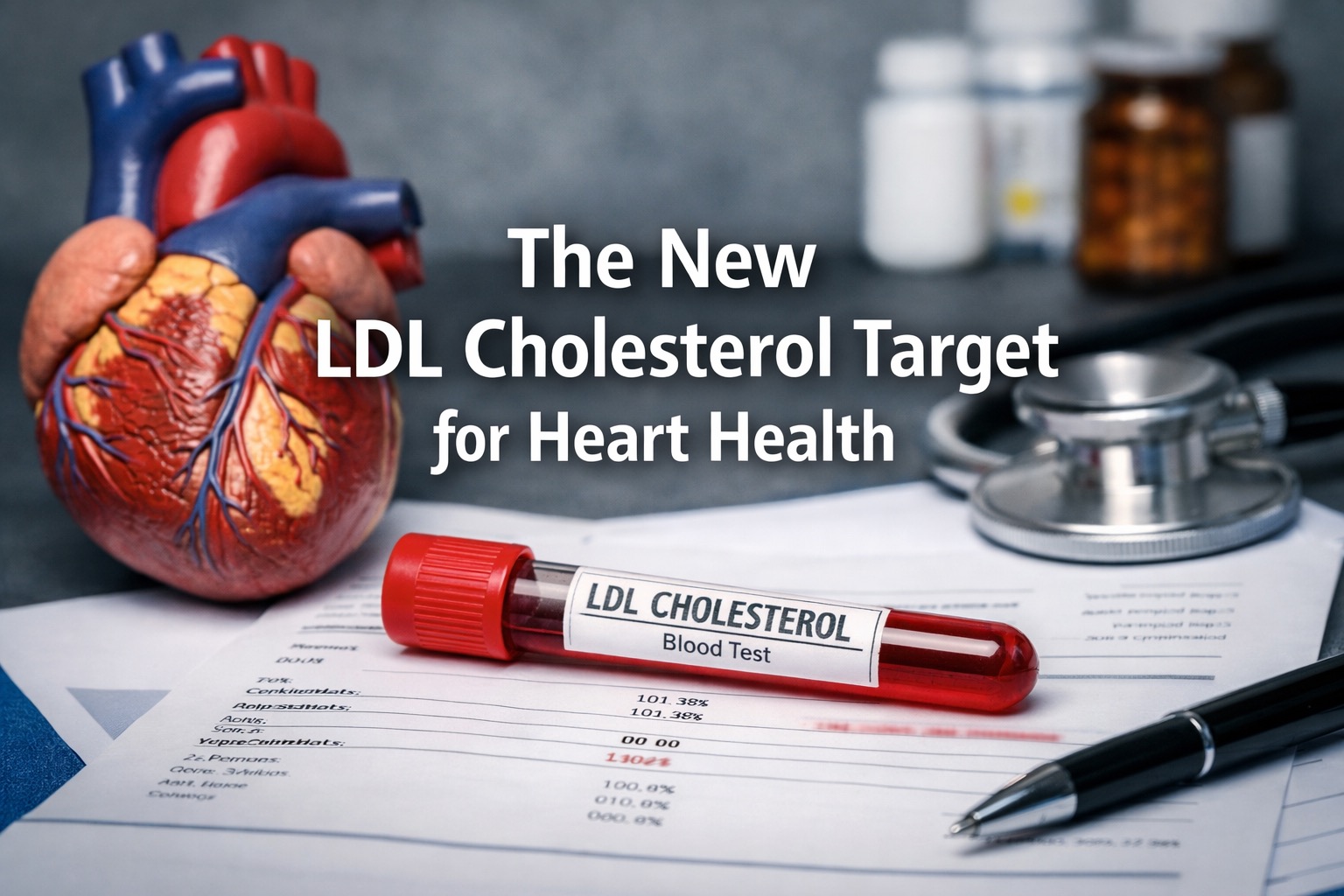
The New LDL Cholesterol Target for Heart Health
For decades, people have been told to keep their LDL cholesterol – often called “bad cholesterol” – below a certain number to protect their heart. But doctors are now changing how they think about that number. New research and updated guidelines show that the LDL level most closely tied to heart disease risk is lower…
-
Nearly 1 in 10 Young Adults in the U.S. Struggle With Memory and Focus, University of Utah Study Finds
A new study from the University of Utah has uncovered a troubling trend among younger Americans: nearly one in ten adults under 40 now report serious difficulty with memory, concentration, or decision-making. The findings suggest that cognitive challenges – once considered a normal part of aging – are increasingly affecting people in their 20s and…
-
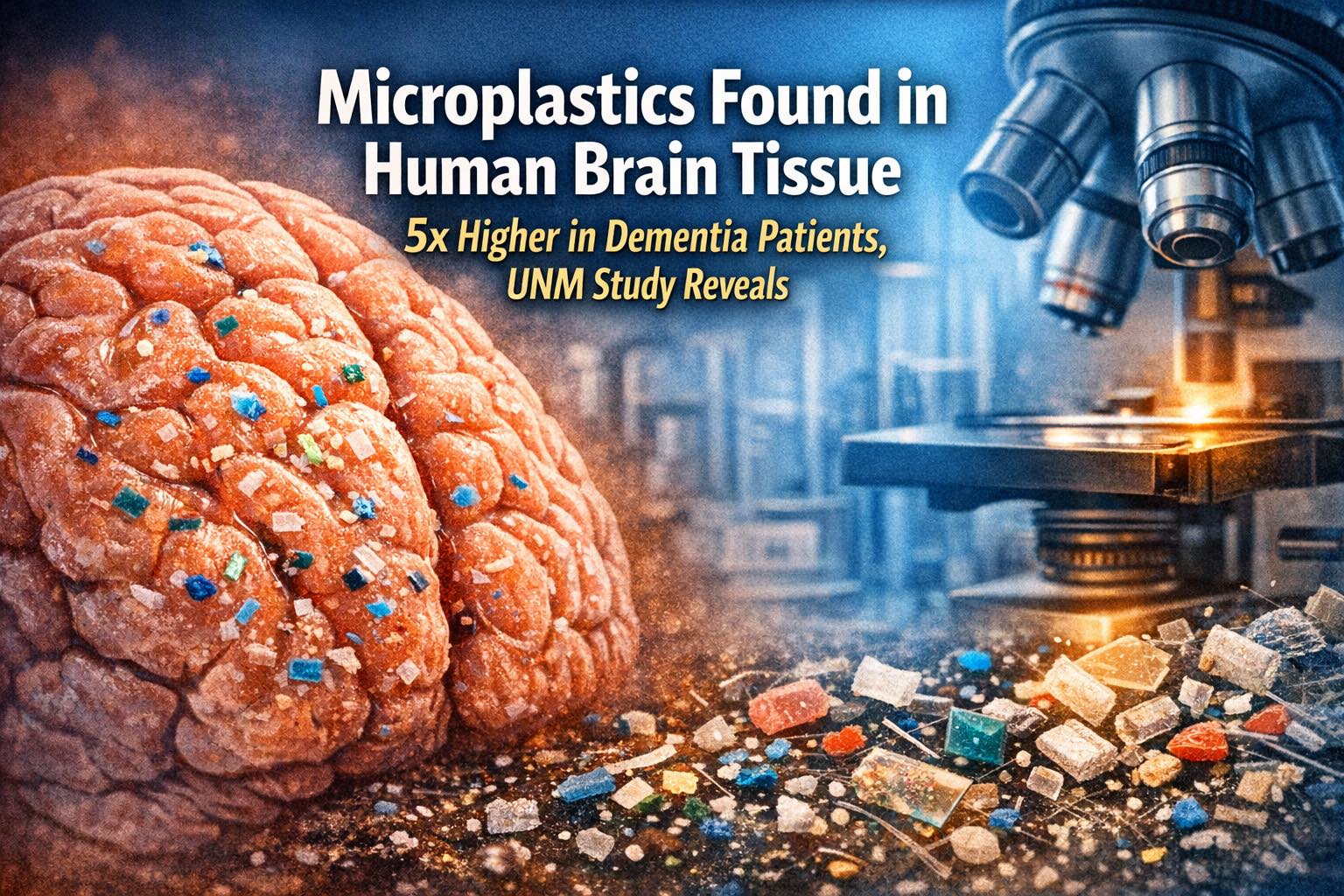
Microplastics Found in Human Brain Tissue – 5x Higher in Dementia Patients, UNM Study Reveals
Tiny fragments of plastic are everywhere – in the air we breathe, the water we drink, and the food we eat. But a groundbreaking study led by University of New Mexico toxicology professor Matthew Campen has found something far more alarming: microplastics are accumulating inside the human brain, and levels are five times higher in…
-
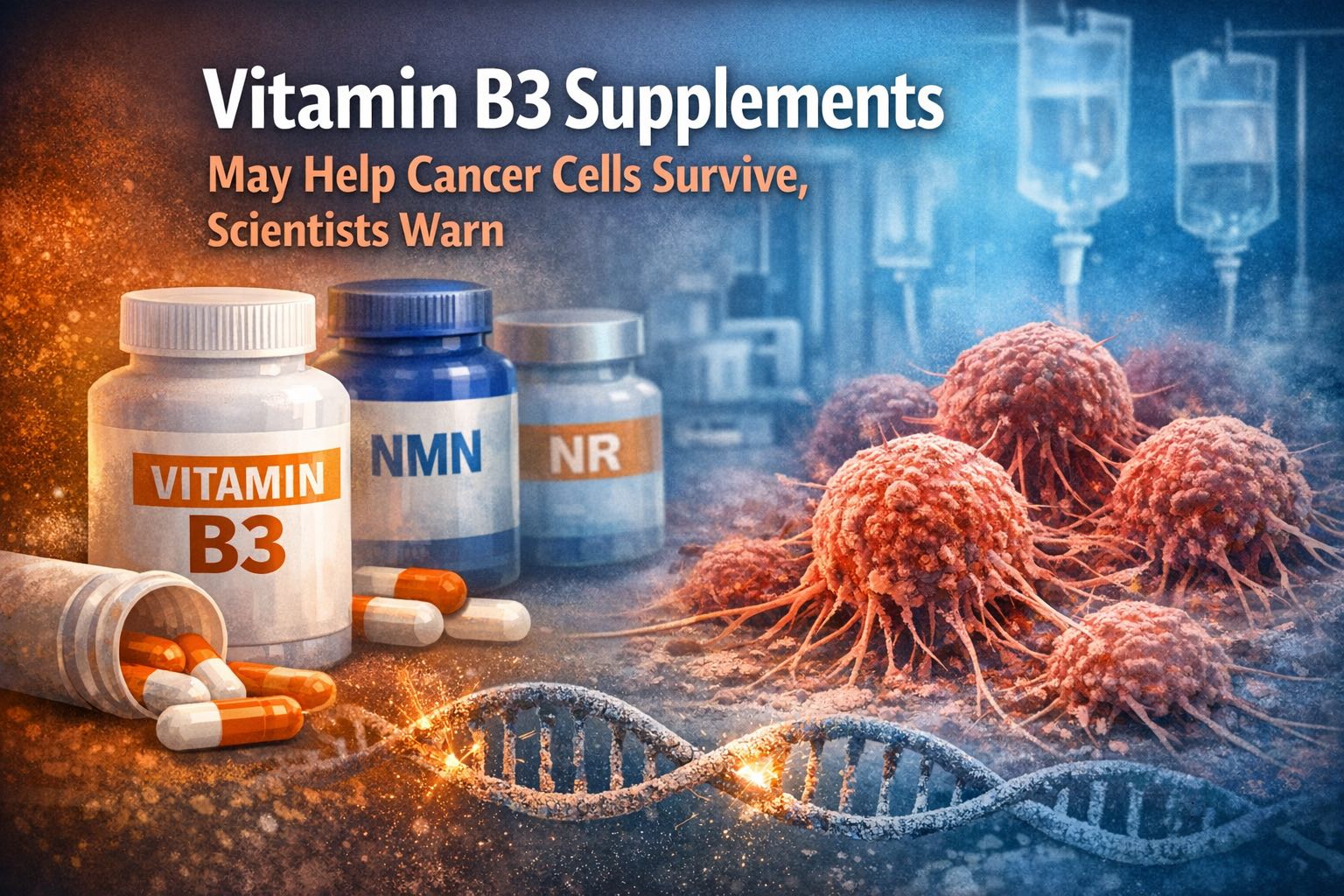
Popular Vitamin B3 Supplements May Help Cancer Cells Survive, Scientists Warn
Vitamin B3 supplements have become a staple in the wellness world. Marketed for boosting energy, supporting healthy aging, and improving metabolism, products like nicotinamide riboside (NR), nicotinamide mononucleotide (NMN), and nicotinamide (NAM) are widely available and often taken daily. But new research suggests these popular supplements may have a darker side – especially for people…
-
Do magnesium supplements help sleep? What the science and data actually say
Sleep problems are common, and magnesium is one of the most frequently recommended over‑the‑counter options people turn to. The evidence is mixed but growing: observational studies link higher magnesium intake to better sleep, several randomized trials in older adults show modest improvements (especially faster sleep onset), and systematic reviews call for larger, higher‑quality trials. We’ll…
-
Stop Before You Swallow – The Daily Pills Most People Shouldn’t Be Taking
Millions of Americans start their morning with a routine that feels healthy: a multivitamin, a fish oil capsule, maybe an extra vitamin D pill, and an over‑the‑counter pain reliever “just in case.” It feels proactive. It feels safe. But research shows that many of the medications and supplements people take every single day offer little…
-
Physical and mental health after a layoff
Losing a job can feel destabilizing for your finances and identity, and it commonly triggers anxiety, low mood, sleep disruption, and physical symptoms such as headaches or fatigue.1 This post gives clear, practical coping steps, an evidence-informed overview of over-the-counter and prescription options with pros/cons and side effects, and a short section on non-medical approaches…
-
Antibiotic Resistance Explained: What Overuse Means for Your Health and the Future of Medicine
Antibiotics, Overuse, and Resistance Antibiotics turned once fatal infections into treatable conditions and undergird modern medicine. But overuse and misuse are driving antimicrobial resistance (AMR), threatening those gains. This article explains the science, shows easy to understand real world examples, reviews the evidence from top institutions, and gives clear, practical steps everyone can take —…
-
Theme park rides, G-forces, medications and medical risks
Riding roller coasters and other high-thrill attractions exposes the human body to rapid accelerations, sudden directional changes and transient high G-forces. These physical stresses interact with dehydration, sleep loss and many commonly used medications or medical conditions to increase the risk of dizziness, vision loss, loss of consciousness, arrhythmia, neck injury and other adverse events.…