




Category: Medications
-
FDA Approves Exdensur: A Twice‑Yearly Shot That Could Change Life for People with Severe Asthma
Severe asthma can be frightening: sudden attacks, emergency visits, and daily limits on what you can do. On December 16, 2025, the U.S. Food and Drug Administration (FDA) approved Exdensur (depemokimab‑ulaa) as an add‑on maintenance treatment for people aged 12 and older with severe asthma characterized by an eosinophilic phenotype – a type of asthma
-
FDA Approves Breyanzi for Relapsed or Refractory Marginal Zone Lymphoma
The U.S. Food and Drug Administration approved Breyanzi for adults with relapsed or refractory marginal zone lymphoma who have already tried at least two prior systemic therapies. This approval expands the list of cancers for which Breyanzi is authorized and gives patients a new option when other treatments have failed. In plain language: what is
-
FDA Approves Armlupeg – New Pegfilgrastim Biosimilar
The U.S. Food and Drug Administration has approved Armlupeg™ (pegfilgrastim‑unne) as a biosimilar to Neulasta® (pegfilgrastim) for decreasing the incidence of infection manifested by febrile neutropenia in patients with non‑myeloid malignancies receiving myelosuppressive chemotherapy, and for increasing survival after acute exposure to myelosuppressive radiation. This approval adds another pegfilgrastim biosimilar to the U.S. market and
-
FDA Approves Reformulated Ranitidine Following Comprehensive Safety Review
The U.S. Food and Drug Administration (FDA) has approved a reformulated ranitidine tablet after a comprehensive safety review addressing prior concerns about N‑nitrosodimethylamine (NDMA) impurity formation; the approval includes updated storage and handling requirements to mitigate impurity risk and preserve product stability. Background and regulatory context Ranitidine, an H2‑receptor antagonist widely used for gastroesophageal reflux
-
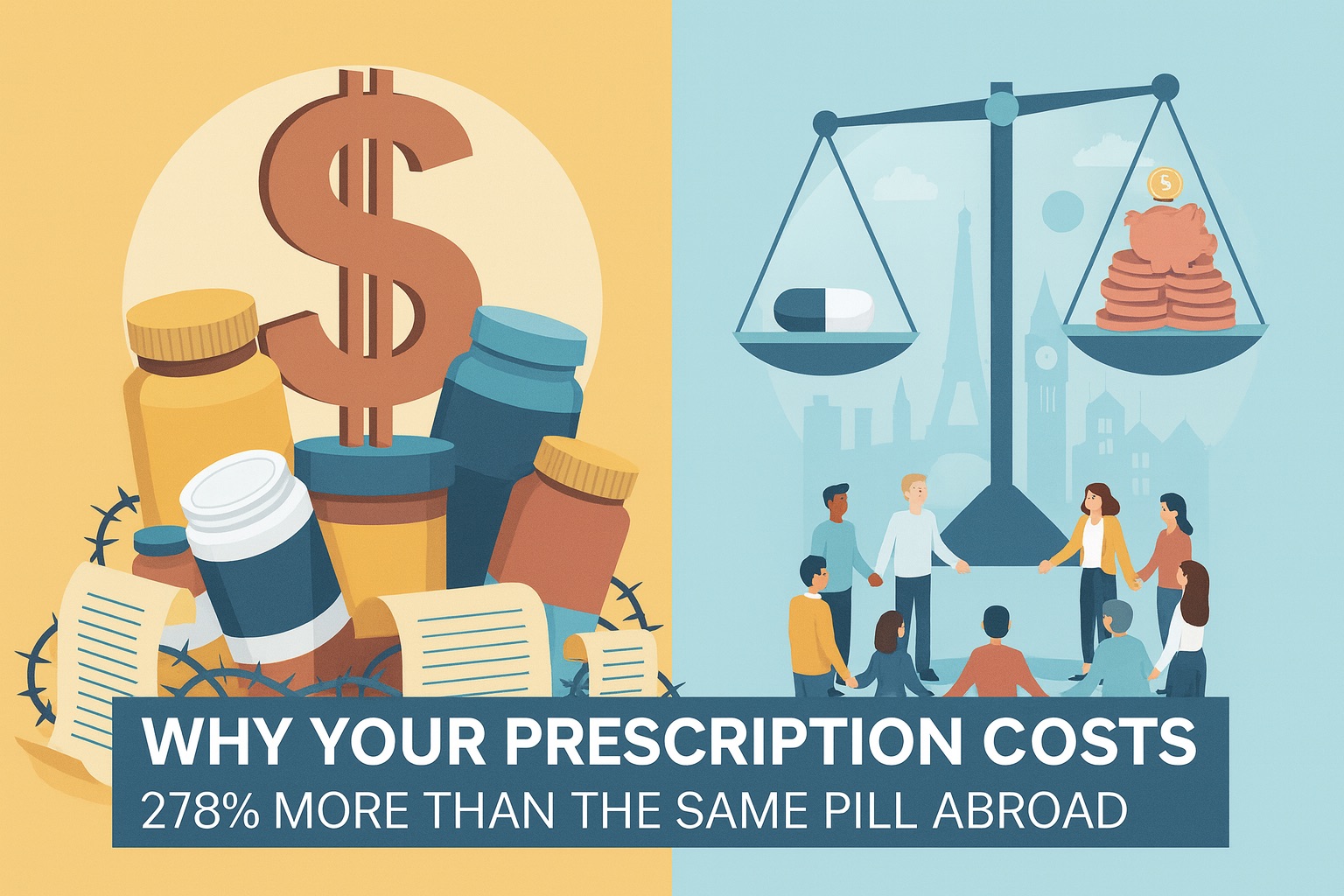
The Price Paradox: Why Your Prescription Costs 278% More Than the Same Pill Abroad
The United States leads the world in pharmaceutical innovation, developing life-saving therapies that benefit global health. Yet, a striking paradox exists: Americans pay significantly more for prescription drugs than consumers in virtually every other high-income country. This disparity isn’t a minor difference; it’s a chasm, rooted in fundamental differences in how the U.S. and its
-
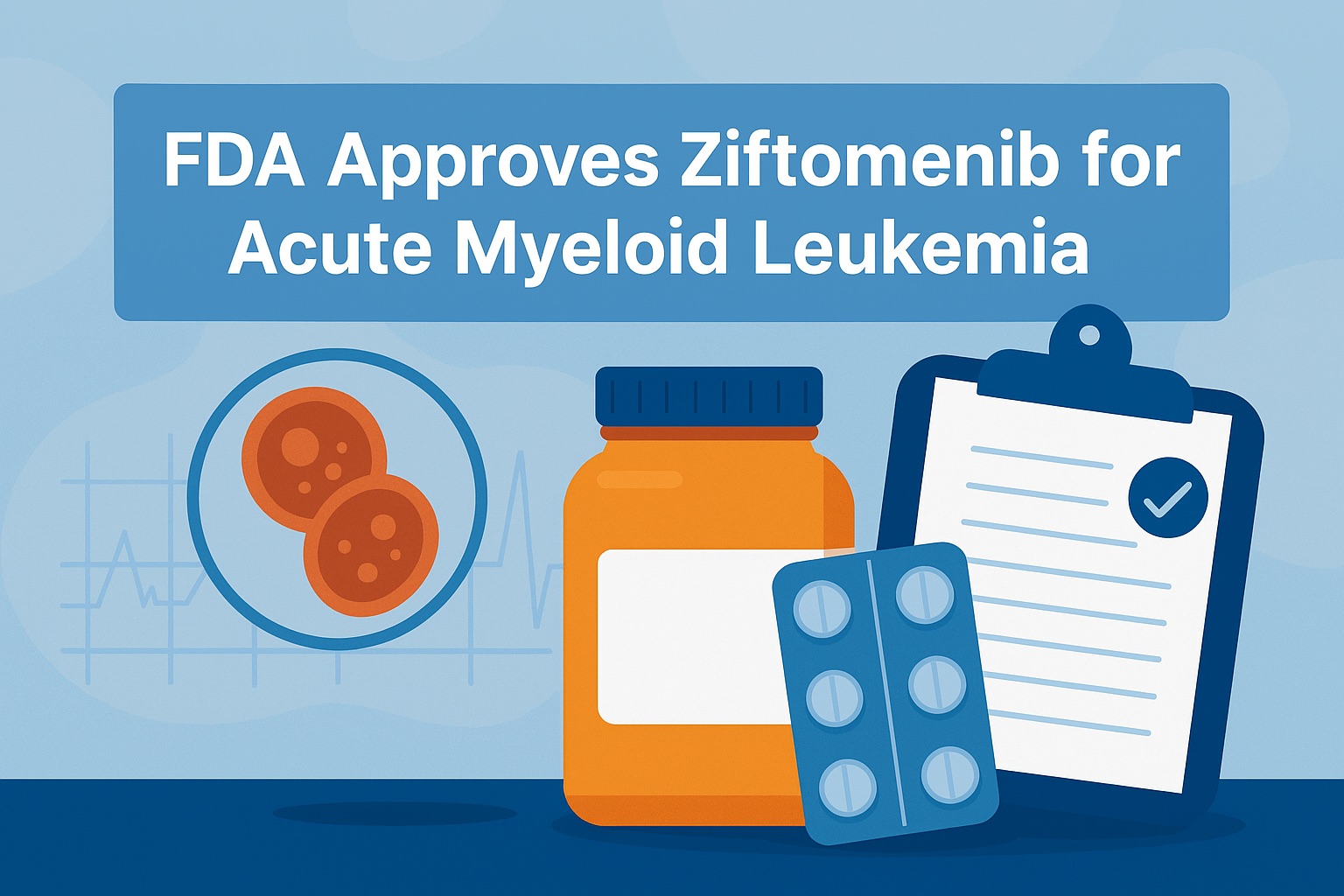
FDA Approves Ziftomenib for Acute Myeloid Leukemia
The treatment landscape for acute myeloid leukemia (AML) has recently seen a significant development with the U.S. Food and Drug Administration (FDA) granting full approval to ziftomenib (Komzifti™) for adult patients diagnosed with relapsed or refractory (R/R) AML who harbor a susceptible NPM1 (Nucleophosmin 1) mutation and have no satisfactory alternative treatment options. This landmark
-
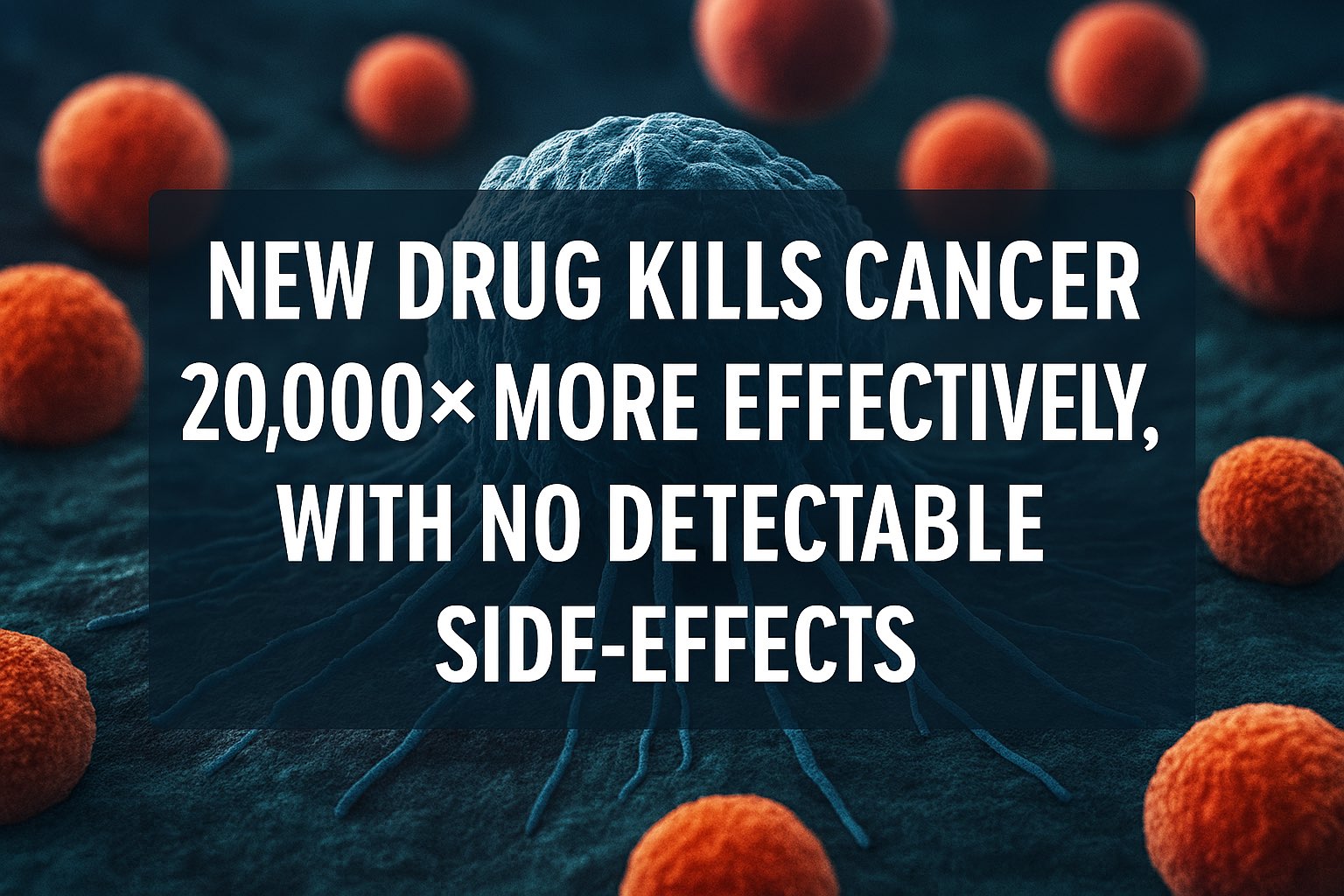
Breakthrough Cancer Drug With No Detectable Side Effects
A significant nanomedicine breakthrough from Northwestern University, led by Prof. Chad A. Mirkin and documented in the peer-reviewed journal ACS Nano, details the transformation of the chemotherapy agent 5-fluorouracil (5-Fu) into a spherical nucleic acid (SNA) structure. According to both the article and surrounding scientific coverage, this innovation reports unprecedented increases in cancer cell targeting
-
Managing Chemotherapy Side Effects with Clinical and Lifestyle Interventions
Best Practices for Managing Chemotherapy Side Effects Chemotherapy remains a cornerstone of modern oncology, offering improved survival and the possibility of cure for many types of cancer. Yet for most patients, chemotherapy is synonymous with a daunting array of side effects – nausea, fatigue, mucositis, neuropathy, immunosuppression, and others – that can compromise quality of
-
A Second Opinion on medications: why a data-driven review matters
Every year millions of people begin new prescriptions without a formal, evidence-based second opinion. That single decision can affect treatment effectiveness, quality of life, risk of adverse events, and out-of-pocket cost. A science-based second opinion on medications combines personalized clinical evidence, drug-safety data, and cost information to reduce harms and improve outcomes. This article explains
-
Proper Drug and Medication Disposal: Protecting People, Water, and Wildlife
Improper disposal of unused and expired medicines is a hidden environmental and public-health crisis. Millions of households, clinics, and long-term care facilities discard pharmaceuticals in ways that allow active drug ingredients to enter landfills, septic systems, wastewater treatment plants, and surface waters. These pathways spread bioactive chemicals into ecosystems, contribute to antimicrobial resistance, and increase