




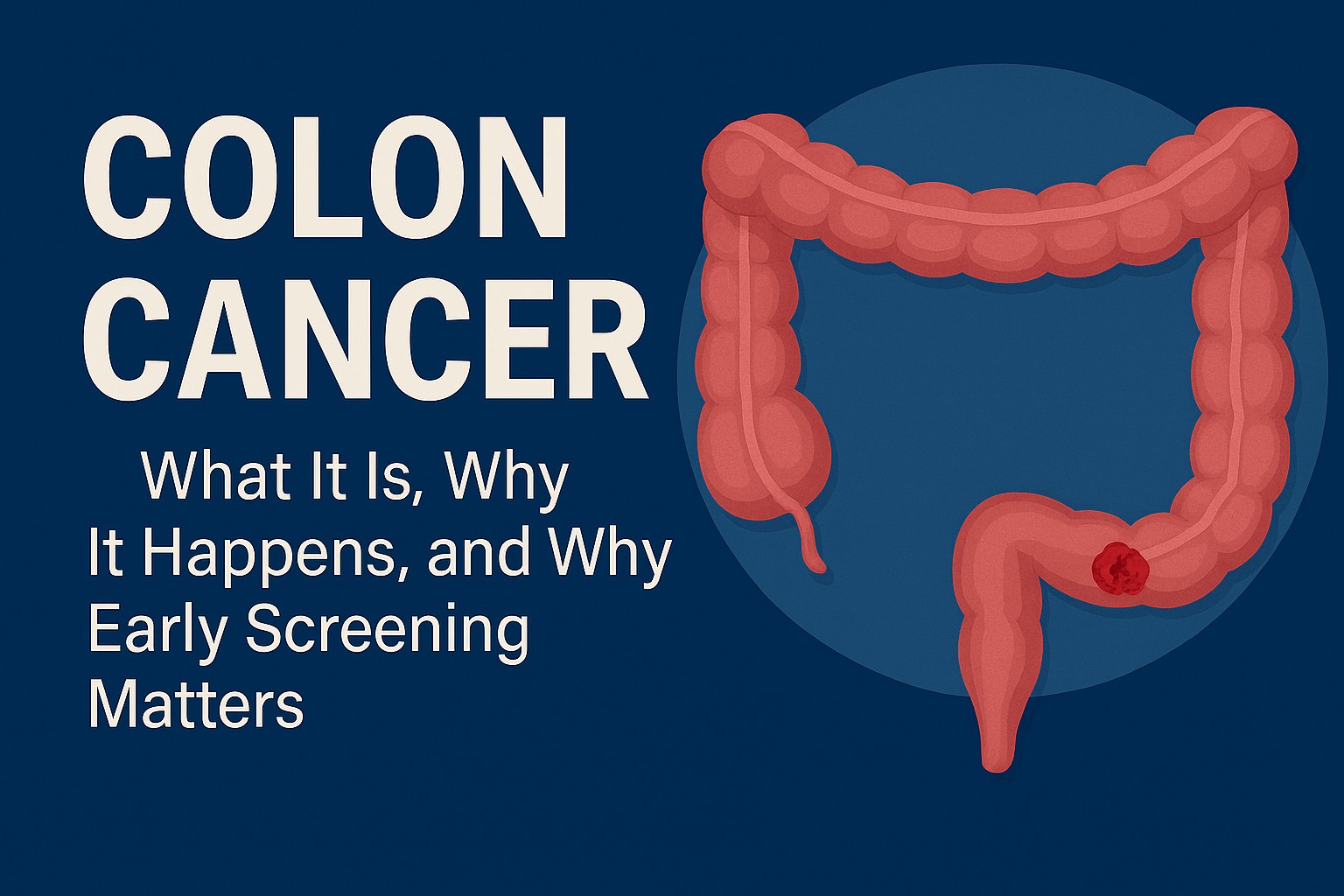
Colon cancer is one of the most common cancers in the United States, yet it’s also one of the most preventable. When caught early, it’s highly treatable. When ignored, it can quietly grow for years before causing serious problems. Understanding how colon cancer develops, who’s at risk, and what warning signs to watch for can make a life‑saving difference.
What Is Colon Cancer?
Colon cancer begins in the colon, which is part of the large intestine. The colon’s job is to absorb water and nutrients from food and move waste out of the body. Over time, small growths called polyps can form on the inner lining of the colon. Most polyps are harmless, but some can slowly turn into cancer.
This process usually takes many years. That’s why regular screening is so important – it allows doctors to find and remove polyps before they become cancerous. Colon cancer is often grouped together with rectal cancer under the term “colorectal cancer,” but the two are slightly different based on where the cancer starts.
Colon cancer doesn’t always cause symptoms early on. Many people feel completely fine until the disease is more advanced, which is why screening saves lives.
How Common Is Colon Cancer?
Colon cancer is one of the leading causes of cancer-related deaths in the U.S., but rates have been declining in older adults thanks to better screening. At the same time, cases are rising in younger adults under age 50, which has raised concern among doctors and researchers.
According to national cancer data:
- Colon cancer is among the top three most commonly diagnosed cancers.
- Most cases occur in people over age 50.
- Early-stage colon cancer has a high survival rate when treated promptly.
Because of these trends, screening guidelines have changed in recent years to encourage earlier testing.
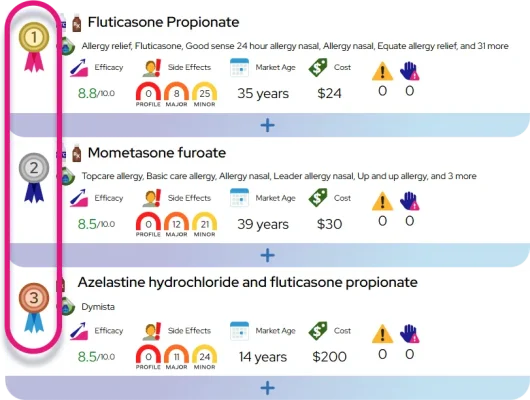
Stop Overpaying for Meds.
Coupons aren’t your only option – see if safer, more effective, and lower-cost alternatives are available. It’s fast, personalized, and 100% free. Learn More →
How Colon Cancer Develops
Colon cancer usually starts as a small polyp. These polyps grow slowly and may not cause any symptoms. Over time, genetic changes inside the cells can cause a polyp to become cancerous.
Once cancer forms, it can:
- Grow into the wall of the colon
- Spread to nearby lymph nodes
- Travel to other organs, such as the liver or lungs
This slow progression is exactly why screening works so well. Removing polyps early can stop cancer before it ever starts.
Common Risk Factors
Some risk factors for colon cancer can’t be changed, while others are related to lifestyle.
Risk Factors You Can’t Control
- Age over 50
- Family history of colon cancer or polyps
- Certain inherited genetic conditions
- Personal history of inflammatory bowel disease
Risk Factors You Can Influence
- Diet high in red or processed meats
- Low fiber intake
- Lack of physical activity
- Obesity
- Smoking
- Heavy alcohol use
Having one or more risk factors doesn’t mean someone will develop colon cancer, but it does increase the chances.
Signs and Symptoms to Watch For
Colon cancer often doesn’t cause symptoms at first. When symptoms do appear, they may be subtle and easy to dismiss.
Common warning signs include:
- Blood in the stool or rectal bleeding
- Ongoing changes in bowel habits (diarrhea or constipation)
- Abdominal pain or cramping that doesn’t go away
- Feeling like the bowel doesn’t fully empty
- Unexplained weight loss
- Fatigue or weakness
These symptoms can be caused by many non-cancer conditions, but if they last more than a few days or keep coming back, they should be checked by a healthcare provider.
Why Screening Is So Important
Screening is the most powerful tool for preventing colon cancer. It allows doctors to find polyps early and remove them before they turn into cancer.
Common Screening Tests
| Test Type | What It Does | How Often |
| Colonoscopy | Examines the entire colon and removes polyps | Every 10 years |
| Stool-based tests | Looks for blood or abnormal DNA in stool | Yearly or every 3 years |
| CT colonography | Uses imaging to view the colon | Every 5 years |
Colonoscopy is considered the gold standard because it both detects and removes polyps in one procedure.
When Should Screening Start?
Most guidelines now recommend starting routine colon cancer screening at age 45 for people at average risk. Those with higher risk – such as a strong family history – may need to start earlier.
Screening schedules vary depending on the test used and individual risk factors, so it’s important to discuss options with a healthcare provider.
How Colon Cancer Is Diagnosed
If a screening test or symptoms raise concern, further testing is done to confirm a diagnosis.
Diagnosis may include:
- Colonoscopy with biopsy
- Imaging tests such as CT scans
- Blood tests to assess overall health
Once cancer is confirmed, doctors determine the stage, which describes how far the cancer has spread. Staging helps guide treatment decisions.
Understanding Colon Cancer Stages
Colon cancer is staged from 0 to IV.
| Stage | What It Means |
| Stage 0 | Cancer is limited to the inner lining |
| Stage I | Cancer has grown into the colon wall |
| Stage II | Cancer has grown through the wall |
| Stage III | Cancer has spread to nearby lymph nodes |
| Stage IV | Cancer has spread to distant organs |
Earlier stages are easier to treat and have better outcomes.
Treatment Options
Treatment depends on the stage of cancer, overall health, and personal preferences.
Common Treatments Include:
- Surgery: Removes the cancer and nearby tissue
- Chemotherapy: Uses drugs to kill cancer cells
- Targeted therapy: Attacks specific cancer cell features
- Immunotherapy: Helps the immune system fight cancer
Many people receive a combination of treatments. Early-stage colon cancer may be treated with surgery alone, while advanced stages often require additional therapies.
Life After Treatment
Surviving colon cancer doesn’t end when treatment stops. Follow-up care is essential to monitor for recurrence and manage long-term side effects.
This may include:
- Regular checkups
- Follow-up colonoscopies
- Imaging tests
- Lifestyle changes to support overall health
Many survivors go on to live full, active lives after treatment.
Can Colon Cancer Be Prevented?
While not all cases can be prevented, many can be avoided through early detection and healthy habits.
Steps that may lower risk include:
- Getting screened on schedule
- Eating a diet rich in fruits, vegetables, and whole grains
- Staying physically active
- Maintaining a healthy weight
- Avoiding smoking
- Limiting alcohol intake
Prevention starts with awareness and action.
When to Seek Medical Care
Anyone experiencing persistent digestive symptoms, unexplained weight loss, or blood in the stool should seek medical evaluation. Even without symptoms, routine screening is critical once recommended age is reached.
Colon cancer is often silent in its early stages – but it doesn’t have to be deadly when caught early.
Better Treatment, Lower Cost – No Catch.
Find safer, more effective medications with fewer side effects – often for less money. It’s fast, free, and personalized. Learn More →
Sources (3)
- Cleveland Clinic – Colon Cancer Overview
https://my.clevelandclinic.org/health/diseases/14501-colorectal-colon-cancer - Mayo Clinic – Colon Cancer Symptoms and Causes
https://www.mayoclinic.org/diseases-conditions/colon-cancer/symptoms-causes/syc-20353669 - National Cancer Institute – Colorectal Cancer Patient Information
https://www.cancer.gov/types/colorectal