




INSIGHTS
-
FDA Approves Armlupeg – New Pegfilgrastim Biosimilar
The U.S. Food and Drug Administration has approved Armlupeg™ (pegfilgrastim‑unne) as a biosimilar to Neulasta® (pegfilgrastim) for decreasing the incidence of infection manifested by febrile neutropenia in patients with non‑myeloid malignancies receiving myelosuppressive chemotherapy, and for increasing survival after acute exposure to myelosuppressive radiation. This approval adds another pegfilgrastim biosimilar to the U.S. market and
-
FDA Approves Gene Therapy for Treatment of Spinal Muscular Atrophy — Itvisma (onasemnogene abeparvovec‑brve)
Background and mechanism Spinal muscular atrophy (SMA) is an autosomal‑recessive neurodegenerative disorder caused by loss‑of‑function mutations in the SMN1 gene, resulting in reduced survival motor neuron (SMN) protein, progressive motor neuron loss, and muscle atrophy. Gene‑replacement therapy using adeno‑associated virus (AAV) vectors delivers a functional copy of SMN1 to motor neurons, restoring SMN protein expression
-
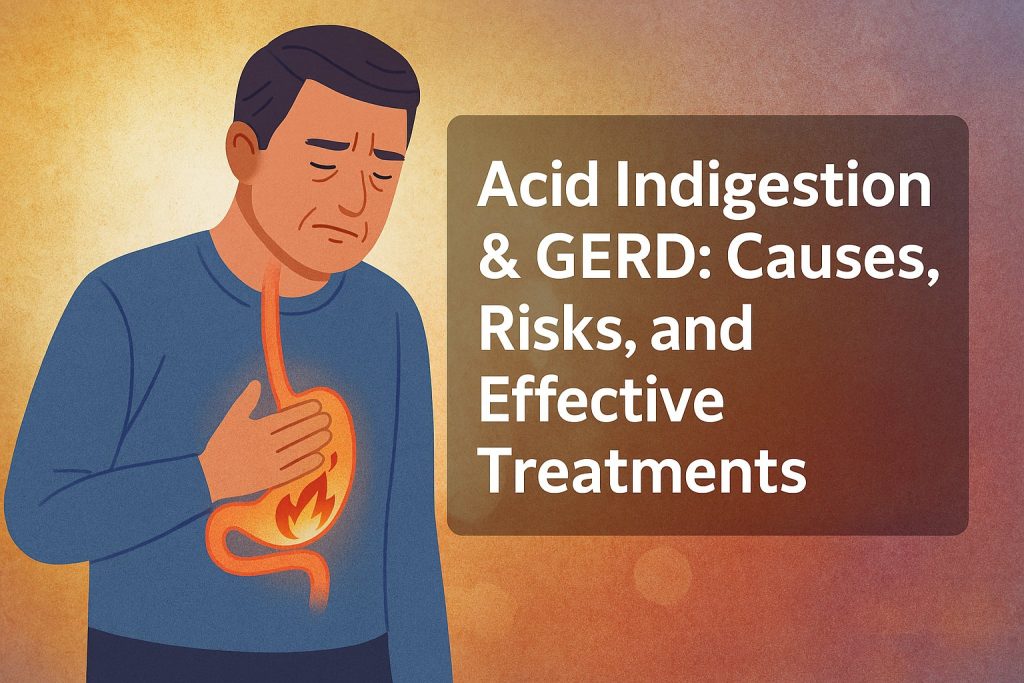
Acid Indigestion and GERD: Causes, Risks, and Effective Treatments
Acid indigestion and gastroesophageal reflux disease (GERD) are among the most prevalent gastrointestinal disorders globally, affecting millions of individuals and imposing significant clinical, economic, and quality-of-life burdens. Acid indigestion, often referred to as heartburn or dyspepsia, is characterized by a burning sensation in the chest or upper abdomen, frequently after meals. GERD, a chronic and
-
FDA Approves Reformulated Ranitidine Following Comprehensive Safety Review
The U.S. Food and Drug Administration (FDA) has approved a reformulated ranitidine tablet after a comprehensive safety review addressing prior concerns about N‑nitrosodimethylamine (NDMA) impurity formation; the approval includes updated storage and handling requirements to mitigate impurity risk and preserve product stability. Background and regulatory context Ranitidine, an H2‑receptor antagonist widely used for gastroesophageal reflux
-

Big Holiday Meals and Hidden Health Risks
Large holiday meals are a cherished tradition, but research shows they can also be dangerous. From cardiovascular emergencies to foodborne illness, the risks of overindulgence are real – and often underestimated. Heart Attacks Surge During the Holidays Scientific studies confirm that cardiac deaths increase by 5–15% between Thanksgiving and New Year’s Day. The American Heart
-
CDC’s Shift on Vaccine and Autism Stance Nov 2025
Has the CDC Quietly Changed Its Stance on Vaccines and Autism? On November 19–20, 2025, the U.S. Centers for Disease Control and Prevention (CDC) made a significant and abrupt revision to its public-facing guidance on the relationship between vaccines and autism. This change, which replaced longstanding language unequivocally stating that vaccines do not cause autism
-

The Price Paradox: Why Your Prescription Costs 278% More Than the Same Pill Abroad
The United States leads the world in pharmaceutical innovation, developing life-saving therapies that benefit global health. Yet, a striking paradox exists: Americans pay significantly more for prescription drugs than consumers in virtually every other high-income country. This disparity isn’t a minor difference; it’s a chasm, rooted in fundamental differences in how the U.S. and its
-
Can Viagra (Sildenafil) Reverse Damage in Genetic Deafness?
Hearing loss is a pervasive global health issue, affecting over 1.5 billion people worldwide, with sensorineural hearing loss (SNHL) accounting for the vast majority of cases. SNHL arises from damage to the delicate sensory hair cells or neurons within the cochlea, and until recently, such damage – especially when caused by genetic mutations – was
-

Marburg Virus in Ethiopia 2025: Outbreak Analysis, Challenges, and Global Preparedness
In November 2025, Ethiopia faced a historic and urgent public health challenge: its first confirmed outbreak of Marburg virus disease (MVD) in the southern Omo region, specifically in Jinka town. This event not only marked a significant milestone in the country’s epidemiological history but also raised pressing questions about regional preparedness, cross-border risks, and the
-
FDA Approves Ziftomenib for Acute Myeloid Leukemia
The treatment landscape for acute myeloid leukemia (AML) has recently seen a significant development with the U.S. Food and Drug Administration (FDA) granting full approval to ziftomenib (Komzifti™) for adult patients diagnosed with relapsed or refractory (R/R) AML who harbor a susceptible NPM1 (Nucleophosmin 1) mutation and have no satisfactory alternative treatment options. This landmark