




INSIGHTS
-
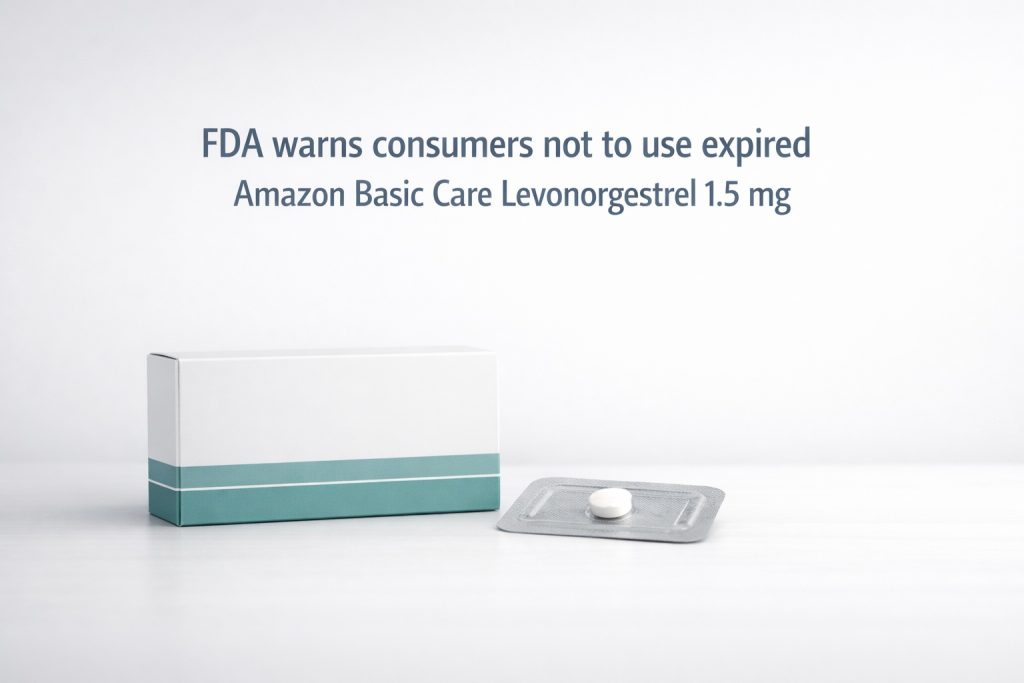
FDA Warns Consumers Not To Use Expired Amazon Basic Care Levonorgestrel 1.5 mg
The FDA has issued a safety alert advising consumers to stop using any expired Amazon Basic Care Levonorgestrel 1.5 mg tablets. This alert matters because levonorgestrel is a form of emergency contraception, and using an expired dose can reduce its effectiveness. When a product meant to prevent pregnancy loses potency, the consequences can be serious…
-
FDA Warns of Increased Risk of New Blood Cancers Linked to Tazverik
Tazverik, a prescription cancer drug used to treat certain rare cancers, has recently come under closer scrutiny by the U.S. Food and Drug Administration. In a safety alert, the FDA warned health care providers and patients about an increased risk of developing new blood cancers in people treated with Tazverik. This announcement has raised understandable…
-
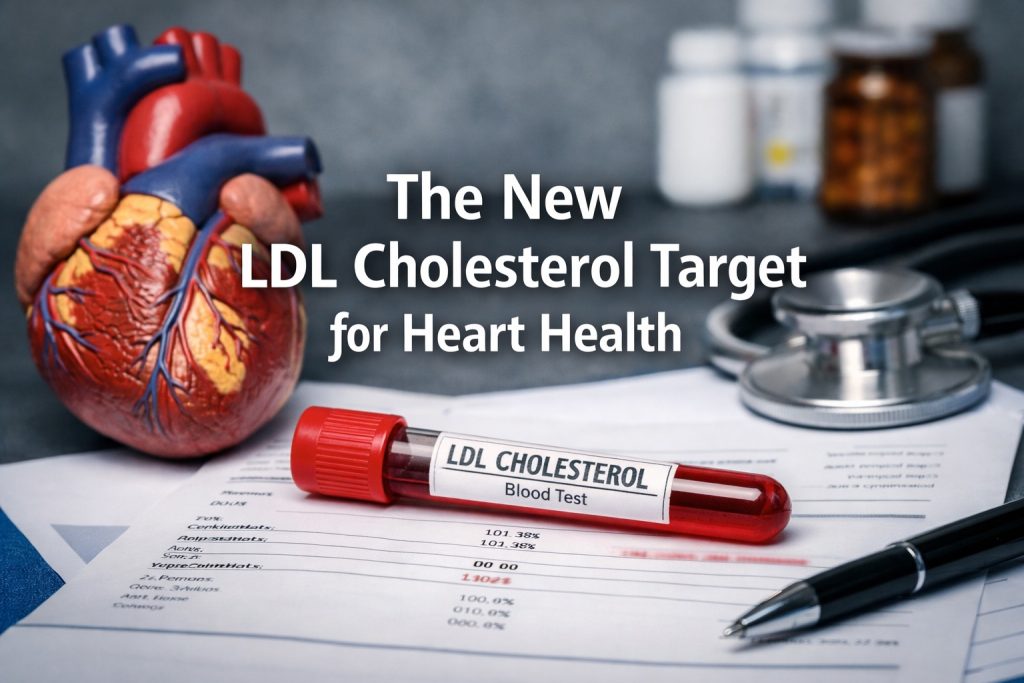
The New LDL Cholesterol Target for Heart Health
For decades, people have been told to keep their LDL cholesterol – often called “bad cholesterol” – below a certain number to protect their heart. But doctors are now changing how they think about that number. New research and updated guidelines show that the LDL level most closely tied to heart disease risk is lower…
-
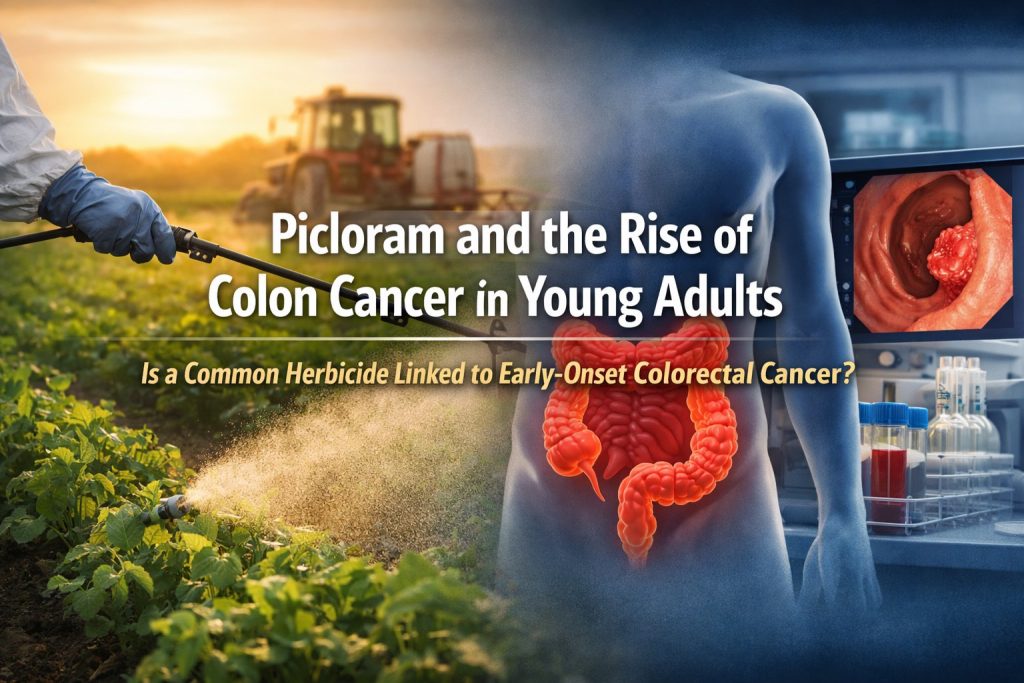
Picloram Weed killer linked to early-onset colon cancer
Colon cancer has long been considered a disease of older age. For decades, most cases were diagnosed in people over 50, and screening guidelines were built around that assumption. But over the past 20 years, something unsettling has been happening. Colon and rectal cancer rates have been climbing steadily among younger adults, including people in…
-

Why We Struggle to Find Words as We Age – New Study Explains the Science Behind “Tip-of-the-Tongue” Moments
If you’ve ever paused mid-sentence trying to remember a word that’s “right there,” you’re not alone. Word-finding difficulty – those frustrating “tip-of-the-tongue” moments – becomes more common as we age. A new study published in Aging, Neuropsychology, and Cognition by researchers at the University of Toronto and Baycrest Hospital sheds light on why this happens…
-

Nearly 1 in 10 Young Adults in the U.S. Struggle With Memory and Focus, University of Utah Study Finds
A new study from the University of Utah has uncovered a troubling trend among younger Americans: nearly one in ten adults under 40 now report serious difficulty with memory, concentration, or decision-making. The findings suggest that cognitive challenges – once considered a normal part of aging – are increasingly affecting people in their 20s and…
-
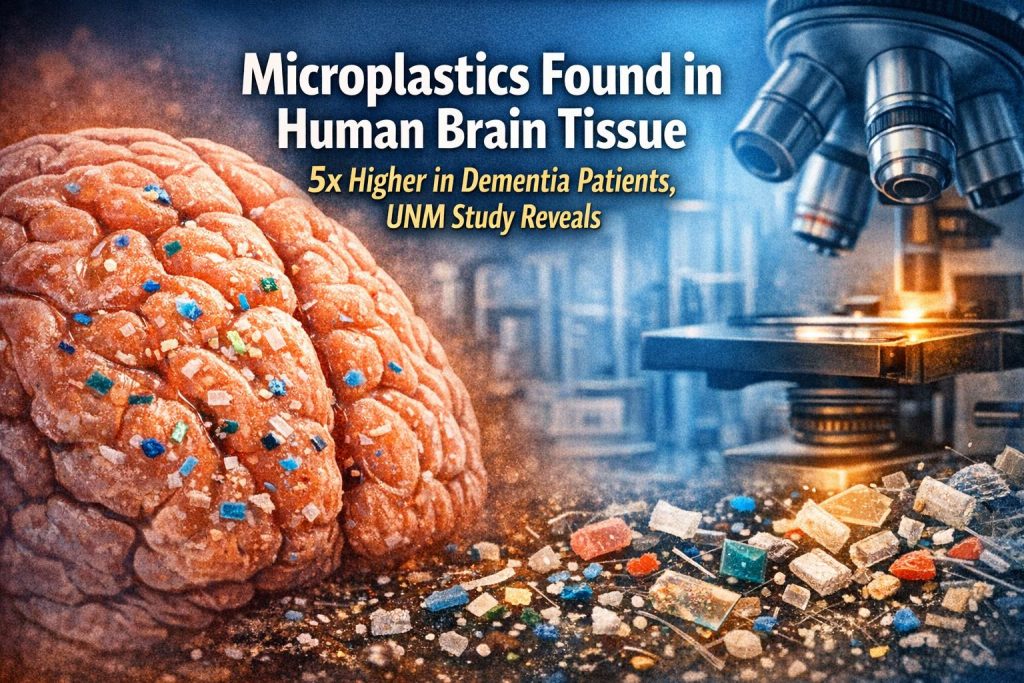
Microplastics Found in Human Brain Tissue – 5x Higher in Dementia Patients, UNM Study Reveals
Tiny fragments of plastic are everywhere – in the air we breathe, the water we drink, and the food we eat. But a groundbreaking study led by University of New Mexico toxicology professor Matthew Campen has found something far more alarming: microplastics are accumulating inside the human brain, and levels are five times higher in…
-
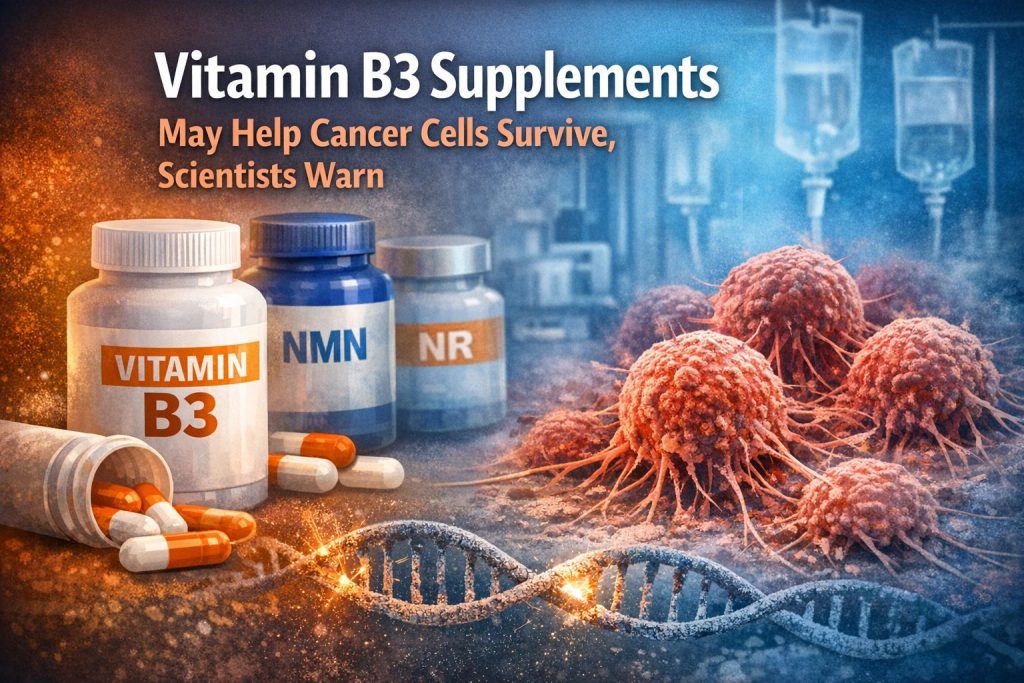
Popular Vitamin B3 Supplements May Help Cancer Cells Survive, Scientists Warn
Vitamin B3 supplements have become a staple in the wellness world. Marketed for boosting energy, supporting healthy aging, and improving metabolism, products like nicotinamide riboside (NR), nicotinamide mononucleotide (NMN), and nicotinamide (NAM) are widely available and often taken daily. But new research suggests these popular supplements may have a darker side – especially for people…
-
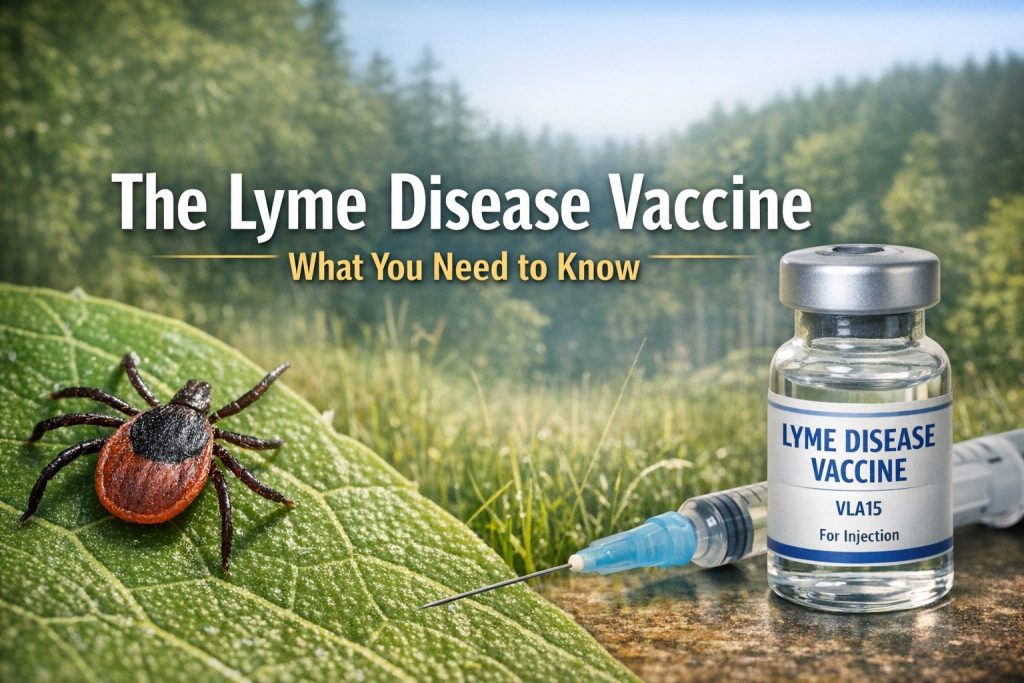
The Lyme Disease Vaccine guide: What to Know, What’s Coming, and What It Means for You
Lyme disease has become a growing concern across much of the United States, especially in the Northeast, Midwest, and parts of the West Coast. Each year, hundreds of thousands of people are diagnosed or treated for Lyme disease, a bacterial infection spread by blacklegged ticks. For decades, prevention has relied almost entirely on avoiding tick…
-
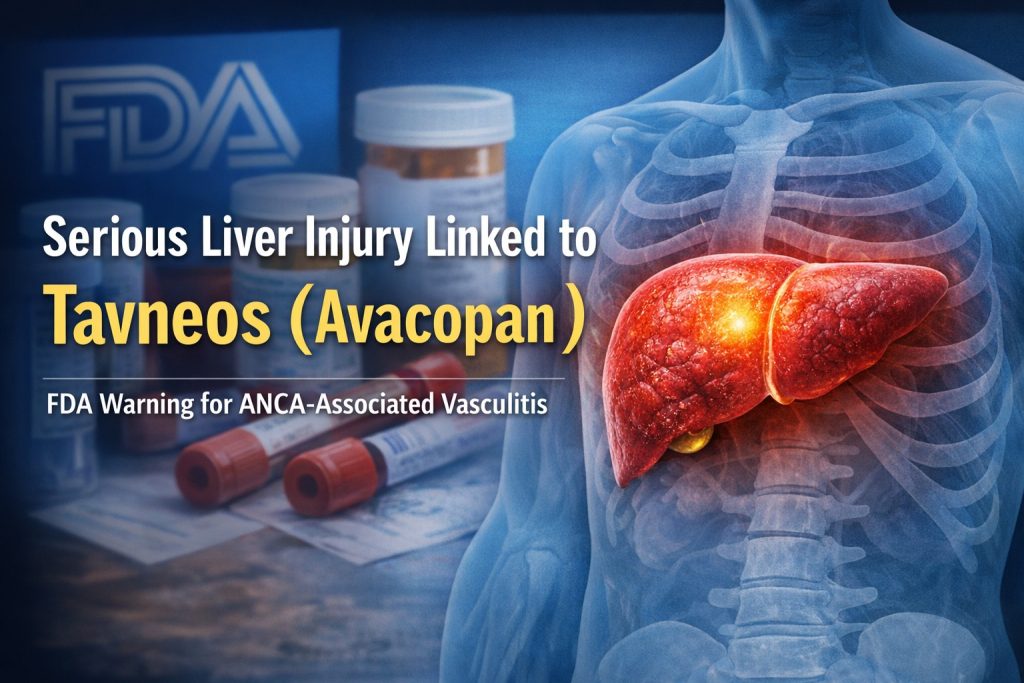
FDA Flags Serious Liver Injury Linked to Tavneos (Avacopan)
Tavneos (avacopan) is a prescription medication approved in 2021 to help treat severe active anti‑neutrophil cytoplasmic autoantibody (ANCA)‑associated vasculitis, a rare autoimmune disease that causes inflammation of small blood vessels. For many patients, Tavneos offered a new option to control a difficult and potentially life‑threatening condition. Now, the U.S. Food and Drug Administration (FDA) says…