


Altered osteogenic activity
At a Glance
 Altered osteogenic activity refers to a deviation in the normal process of bone formation where the body either produces insufficient new bone tissue or generates it in an irregular manner, compromising skeletal strength and structure.
 This issue is most frequently observed in older adults due to age-related metabolic changes, though it can also occur in children and young adults with specific genetic disorders or hormonal imbalances.
 It is generally a chronic and progressive condition that requires long-term management, although it is often treatable through medical and lifestyle interventions.
 The outlook is generally positive with early intervention and consistent management, though untreated cases can lead to significant mobility loss and chronic pain.








How It Affects You
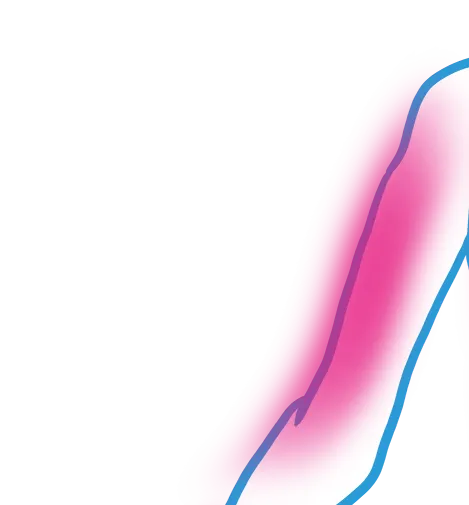
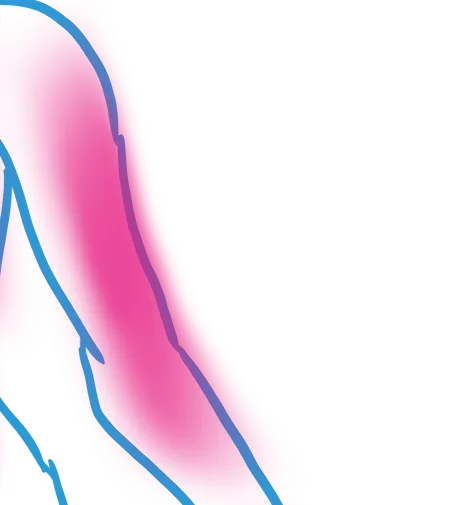
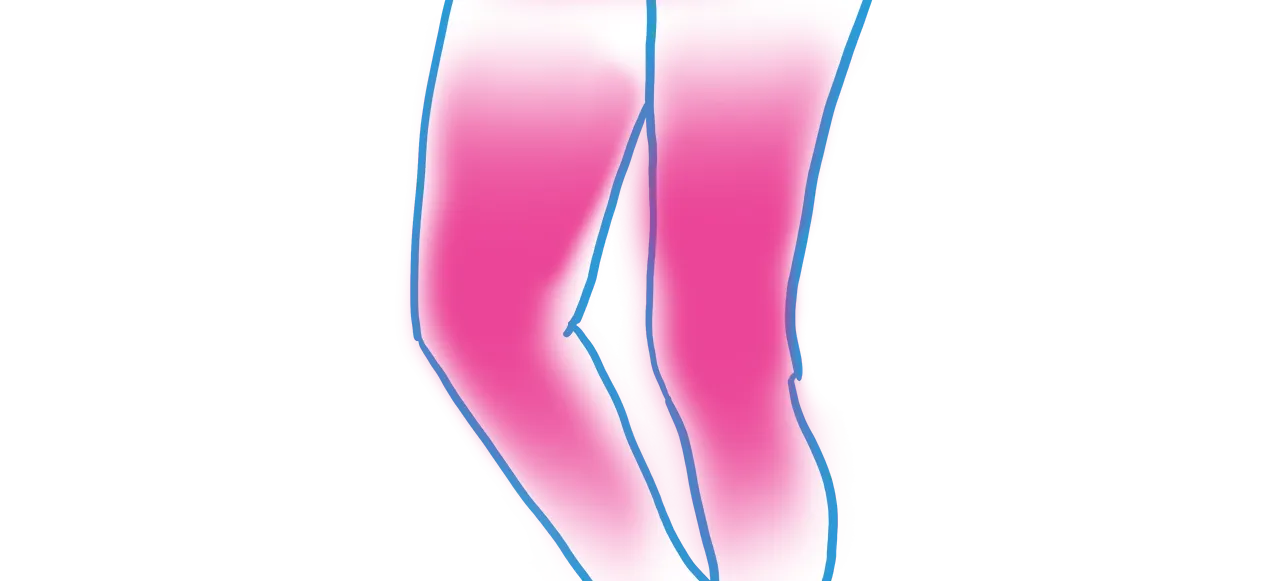
Altered osteogenic activity impacts the skeletal system by disrupting the natural balance of bone formation and resorption, leading to structural changes in bones throughout the body. This condition means that the cells responsible for building bone are either not active enough, leading to weakness, or too active in a disorganized way, causing deformities. The effects are systemic and can compromise the mechanical support the skeleton provides.
- Bones may become porous and brittle, significantly increasing the susceptibility to fractures even from minor stresses.
- Abnormal bone growth can lead to misshapen bones, enlarged joints, and potential compression of nearby nerves.
- Chronic pain and reduced range of motion often result from the structural instability and changes in bone density.
Causes and Risk Factors
Underlying Biological Mechanisms
Altered osteogenic activity stems from an imbalance in the bone remodeling process. Normally, specialized cells called osteoclasts break down old bone, while osteoblasts build new bone. When osteogenic (bone-forming) activity is disrupted, osteoblasts may fail to keep up with bone loss, or they may produce bone too rapidly and chaotically. This disruption is often driven by hormonal changes, particularly drops in estrogen or testosterone, or by reduced physical stimulation of the skeleton.
Genetic and Environmental Contributors
Genetics play a significant role in determining baseline bone density and the efficiency of bone cells. Conditions such as osteogenesis imperfecta are directly caused by genetic mutations affecting collagen production. Environmental factors include poor nutrition, specifically a lack of calcium and vitamin D, which are essential for bone mineralization. Long-term use of certain medications, such as corticosteroids or anticonvulsants, can also suppress bone-forming cells.
Risk Factors and Lifestyle Triggers
Several factors increase the likelihood of developing problems with bone formation. Aging is the most common risk factor, as cellular efficiency declines over time. A sedentary lifestyle reduces the mechanical stress needed to stimulate bone growth. Smoking and excessive alcohol consumption are toxic to osteoblasts and impede the body's ability to absorb calcium. Additionally, underlying medical issues like thyroid disorders, diabetes, and autoimmune diseases can negatively impact bone metabolism.
Prevention Strategies
Primary prevention focuses on building peak bone mass during youth and maintaining it throughout adulthood. This includes a diet rich in calcium and protein alongside regular sun exposure or supplementation for vitamin D. Weight-bearing and resistance exercises are critical for signaling the body to strengthen bone tissue. To prevent progression in those already at risk, avoiding falls and maintaining a healthy weight are essential steps. While genetic causes cannot be prevented, their impact can often be mitigated with early medical care.

Diagnosis, Signs, and Symptoms
Common Signs and Symptoms
In the early stages, altered osteogenic activity is often silent, meaning no symptoms are noticeable until significant structural changes occur. As the condition progresses, the most common symptom is deep, aching bone pain that may worsen at night or with weight-bearing activity. Patients may experience a gradual loss of height or notice a stooped posture if the spine is affected. In cases of overactive but poor-quality bone formation, deformities such as bowed legs or enlarged skull size may be visible. A sudden, unexpected fracture from a minor fall is frequently the first clear sign of reduced bone strength.
Diagnostic Tests and Exams
Clinicians use a combination of imaging and laboratory tests to identify abnormalities in bone formation. A Dual-Energy X-ray Absorptiometry (DEXA) scan is the gold standard for measuring bone mineral density. Standard X-rays may be used to detect fractures, deformities, or characteristic patterns of bone weaving seen in conditions like Paget's disease. Blood tests are essential to evaluate levels of calcium, phosphorus, vitamin D, and specific markers like alkaline phosphatase, which indicates how active the bone-forming cells are.
Differential Diagnosis
Doctors must distinguish altered osteogenic activity from other skeletal issues. It can be confused with osteoarthritis, which affects joints rather than bone density, or metastatic bone disease, where cancer spreads to the bone. Differentiating between low-turnover states (like osteoporosis) and high-turnover states (like hyperparathyroidism) is crucial for selecting the correct treatment plan.
Treatment and Management
Medications and Medical Interventions
Treatment aims to restore the balance of bone remodeling. For reduced osteogenic activity, doctors may prescribe anabolic agents that directly stimulate bone formation. Antiresorptive medications, such as bisphosphonates, are commonly used to slow down bone breakdown, allowing the bone-forming cells to catch up. Hormone replacement therapy may be considered for postmenopausal individuals to protect bone density. In severe cases involving deformities or fractures, orthopedic surgery may be necessary to stabilize bones or correct alignment.
Lifestyle and Self-Care Strategies
Medical treatment is most effective when paired with lifestyle changes. A diet sufficient in calcium and vitamin D is non-negotiable for bone health. Regular weight-bearing exercise, such as walking, jogging, or resistance training, provides the physical stress necessary to stimulate osteoblasts. Fall prevention strategies, such as removing tripping hazards at home and performing balance exercises, are critical for preventing fractures. Quitting smoking and limiting alcohol intake also directly improve bone cell function.
Monitoring and Follow-Up
Management is an ongoing process. Patients typically undergo repeat bone density scans every one to two years to monitor the effectiveness of treatment. Blood tests may be repeated periodically to ensure calcium and vitamin D levels remain within a therapeutic range.
When to Seek Medical Care
It is important to consult a healthcare provider if you experience persistent bone pain that does not resolve with rest. Seek emergency care if you suspect a fracture, especially after a minor fall, or if you experience sudden, severe back pain. Routine follow-up is recommended for anyone over age 65 or those with risk factors like long-term steroid use to assess bone health before symptoms appear.

Severity and Prognosis
Severity and Disease Course
The severity of altered osteogenic activity varies widely depending on the specific underlying cause. Mild cases may result in osteopenia (slightly low bone mass) which is easily manageable and may never progress to fractures. Severe cases can lead to debilitating fragility where bones break during routine activities like bending or coughing. The condition is typically chronic, meaning it persists over a long period, but the rate of progression can often be slowed or halted with appropriate therapy.
Complications and Long-Term Effects
The primary complication is fractures, particularly of the hip, spine, and wrist. Hip fractures, in particular, can lead to a significant loss of independence and mobility. Vertebral compression fractures can cause chronic pain, height loss, and respiratory issues due to changes in the shape of the rib cage. In conditions involving excessive bone growth, complications may include hearing loss if skull bones compress the auditory nerves, or arthritis if misshapen bones damage joint surfaces.
Prognosis and Life Expectancy
For most people, this condition does not directly shorten life expectancy, provided that complications like hip fractures are avoided or treated promptly. Modern treatments have significantly improved the prognosis, allowing many patients to maintain active lives. However, failure to manage the condition can lead to a cycle of recurrent fractures and declining physical function. Early diagnosis is the strongest predictor of a good outcome, as it allows for intervention before major structural damage occurs.
Impact on Daily Life
Impact on Daily Activities
Living with altered osteogenic activity often requires adjusting daily routines to prioritize safety. Activities that carry a high risk of falling or high-impact collisions, such as contact sports, may need to be avoided. However, staying active is crucial, so low-impact activities like swimming or walking are encouraged. Patients may need to pace themselves to avoid fatigue, which can increase the risk of stumbling.
Mental and Emotional Health
A diagnosis can bring anxiety, particularly a fear of falling or fracturing a bone. This fear can lead to social isolation if an individual stops leaving the house or participating in hobbies. It is helpful to focus on what one can do rather than limitations, and support groups can provide reassurance and practical tips from others facing similar challenges.
Questions to Ask Your Healthcare Provider
- What is my current bone density score, and what does it mean for my fracture risk?
- Are there specific exercises I should do, and are there any I should strictly avoid?
- How often do I need to repeat blood tests or scans to check my progress?
- What are the potential side effects of the medications prescribed for my bones?
- Should I be taking calcium or vitamin D supplements, and at what dosage?

Common Questions and Answers
Q: Is altered osteogenic activity the same as osteoporosis?
A: Not exactly. Osteoporosis is one specific type of altered activity where bone loss exceeds bone formation. However, the term can also apply to conditions where bone formation is excessive or disorganized, such as Paget's disease, or genetic conditions affecting bone development.
Q: Can I reverse the damage to my bones?
A: While you typically cannot completely replace all lost bone tissue, treatment can significantly improve bone density and strength. The goal is often to stabilize the condition and prevent further deterioration rather than achieving a complete cure.
Q: Is exercise safe if my bones are weak?
A: Yes, exercise is generally safe and essential for strengthening bones, but it must be the right kind. Weight-bearing and muscle-strengthening exercises are best, but you should consult a physical therapist to ensure your routine is safe and does not increase fall risk.
Q: Do I need to change my diet?
A: Diet plays a major role in bone health. You may need to increase your intake of calcium-rich foods like dairy, leafy greens, or fortified alternatives. Ensuring adequate protein intake is also important for the structural framework of the bone.
Q: How do I know if the treatment is working?
A: You likely will not feel a difference day-to-day. Success is measured by stable or improved bone density scores on follow-up scans and, most importantly, the absence of new fractures.