


Chemotherapy extravasation
At a Glance
 Chemotherapy extravasation is the accidental leakage of chemotherapy medication from a vein into the surrounding tissues, which can cause damage ranging from temporary skin irritation to severe tissue injury.
 This complication can affect individuals of any age undergoing intravenous chemotherapy, occurring in a small percentage of treatments.
 It is an acute medical event that is treatable and manageable with immediate intervention, although severe cases can result in chronic complications.
 The outlook is generally good when detected early, though severe injuries from specific drugs may require surgical treatment and can temporarily reduce quality of life.











How It Affects You
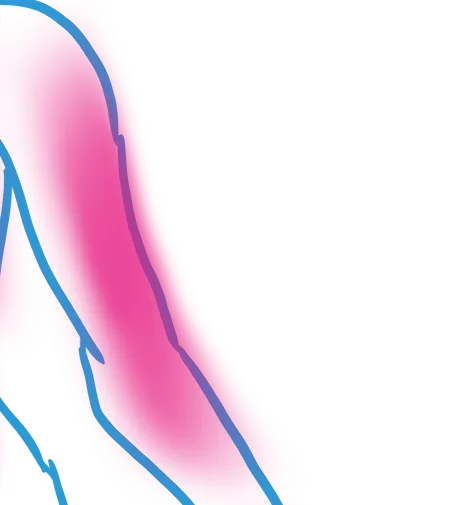
Chemotherapy extravasation occurs when chemotherapy drugs accidentally leak from the vein into the surrounding healthy tissue instead of entering the bloodstream as intended. This process can cause reactions ranging from mild irritation to severe tissue injury, depending on whether the drug is classified as an irritant or a vesicant. The leakage disrupts the local cells and can lead to the following effects:
- Irritation, redness, and inflammation of the skin and underlying tissues near the injection site.
- Severe blistering and tissue death (necrosis) if the drug is a strong vesicant, which may damage nerves and tendons.
- Long-term scarring or changes in skin sensation in the affected area after the immediate injury heals.
Causes and Risk Factors
Underlying Causes and Mechanisms
Chemotherapy extravasation happens when the cannula (the thin tube inserted into the vein) punctures the vein wall or becomes dislodged, allowing fluid to escape into the nearby tissue. It can also occur if the vein wall is fragile and ruptures under pressure. Biological mechanisms of injury depend on the drug type; DNA-binding vesicants remain in the tissue for a long time, causing continuous cell damage, while non-DNA-binding vesicants and irritants cause immediate but typically shorter-duration damage.
Risk Factors
Several factors increase the likelihood of this condition. Patient-related risks include having small or fragile veins, obesity which makes veins harder to find, impaired circulation, or movement during the infusion. Procedure-related risks involve the selection of the injection site; veins in the hands or areas of flexion (like the wrist) are at higher risk than those in the forearm. The type of medication is also a major factor, as vesicant drugs carry a much higher risk of causing severe damage compared to irritants or non-vesicants.
Prevention Strategies
Primary prevention focuses on proper technique and site selection. Healthcare providers often avoid placing IV lines in the back of the hand or near joints for vesicant administration. Using a central venous access device (like a port or PICC line) is a common strategy for delivering harsh chemotherapy drugs safely. During the infusion, nurses verify that there is good blood return, which indicates the needle is correctly positioned in the vein.
Reducing Severity
To prevent a minor leak from becoming a major injury, patients are encouraged to report any stinging or burning immediately. Early detection allows the medical team to stop the infusion instantly, which minimizes the amount of drug that enters the tissue.

Diagnosis, Signs, and Symptoms
Signs and Symptoms
Symptoms often appear immediately during the infusion, but some delayed reactions can occur hours or days later. Clinically meaningful signs include:
- A sensation of burning, stinging, or pain at the injection site, which is often the first warning sign.
- Swelling, puffiness, or a hard lump forming around the IV site.
- Redness or discoloration of the skin near the needle.
- Resistance when the nurse attempts to inject the medication or a lack of blood return when checking the line.
- Blistering or peeling of the skin, which may develop later in severe cases.
Diagnostic Methods
Clinicians primarily identify extravasation through observation and patient reports. There is no specific lab test to diagnose the event itself. The diagnosis is clinical, based on the visible signs at the IV site and the patient's description of pain or discomfort. If a central line is involved, an X-ray or dye study might be used to check the position of the catheter tip, but for peripheral IVs, physical examination is the standard tool.
Differential Diagnosis
Healthcare providers must distinguish extravasation from other local reactions. It is often confused with a chemical flare reaction, which is a temporary redness or streak along the vein caused by a hypersensitivity to the drug, without actual leakage. It may also be mistaken for simple phlebitis (inflammation of the vein) or a localized infection.
Treatment and Management
Immediate Management
The most critical step in treatment is stopping the infusion immediately upon any sign of leakage. The healthcare team will usually leave the cannula in place briefly to attempt to aspirate (suck out) as much of the residual drug as possible from the tissue. Once the cannula is removed, the affected limb is typically elevated to reduce swelling. These steps address the immediate presence of the drug and help limit the spread of the substance in the tissue.
Medications and Antidotes
Treatment varies significantly based on the specific chemotherapy drug involved. For certain vesicants, specific antidotes may be injected into the affected area to neutralize the drug or help the body absorb it faster. Examples include hyaluronidase or dexrazoxane, depending on the agent. Thermal application is also common; cold compresses are generally applied for certain drugs (like anthracyclines) to constrict blood vessels and limit spread, while warm compresses are used for others (like vinca alkaloids) to increase blood flow and disperse the drug.
Surgical Interventions
In severe cases where tissue death (necrosis) occurs, surgical intervention may be necessary. This can involve debridement (removing dead tissue) to prevent infection and promote healing. If the damage is extensive, skin grafts or plastic surgery might be required to restore function and appearance. Most cases, however, are managed conservatively without surgery.
When to Seek Medical Care
Patients usually notice symptoms while still in the clinic, but delayed reactions can happen. You should contact your healthcare provider immediately if you notice:
- New or worsening pain at the former injection site after returning home.
- Redness that spreads or skin that becomes dark or black.
- Development of blisters or open sores.
- Signs of infection, such as fever or pus draining from the site.
- Routine follow-up is vital to monitor the healing process until the skin has fully recovered.

Severity and Prognosis
Severity Levels
The severity of chemotherapy extravasation ranges from mild to severe. Mild cases involve irritant drugs that cause temporary inflammation, pain, and tenderness that resolves without lasting damage. Moderate to severe forms occur with vesicant drugs, which have the potential to cause blistering and deep tissue necrosis. The amount of drug leaked and the concentration of the medication also influence how serious the injury becomes.
Disease Course and Duration
This is an acute injury. Pain and swelling typically begin immediately or within a few hours. If the injury is limited to irritation, it may resolve within a few days to a week. However, if necrosis occurs, the process can be prolonged. The full extent of tissue damage from DNA-binding vesicants may not be visible for several weeks, and the healing process can take months. The condition does not typically recur unless another extravasation event happens during a future treatment.
Complications and Long-Term Effects
Possible complications include the formation of ulcers that are slow to heal and prone to infection. Long-term effects can include scarring, permanent nerve damage leading to numbness or pain, and contractures (stiffening of the muscles or tendons) that might limit movement in the affected limb. While these complications can affect function, they rarely impact overall life expectancy.
Prognosis
The prognosis is generally favorable for irritant extravasations and for vesicant extravasations that are detected and treated immediately. Early intervention significantly improves outcomes. The risk of permanent injury is highest when diagnosis is delayed or when a large volume of a potent vesicant has leaked into the tissue.
Impact on Daily Life
Impact on Daily Activities
Recovering from an extravasation can temporarily disrupt daily routines. Patients may need to limit the use of the affected arm or hand, which can interfere with work, household chores, and self-care tasks like dressing or bathing. Keeping the limb elevated as recommended can also restrict mobility. If the injury is severe, regular wound care appointments may be added to an already busy schedule of cancer treatments.
Emotional and Mental Health
Experiencing a complication during chemotherapy can increase anxiety and fear regarding future treatments. Patients may feel distress about the appearance of the wound or the potential for scarring. It is common to feel frustrated by the setback, but support from the oncology care team can help manage these concerns.
Coping Strategies
Practical coping involves following care instructions precisely, such as applying compresses and keeping the area clean. Wearing loose clothing can prevent friction on the site. Asking for help with physical tasks can prevent strain on the injured area.
Questions to Ask Your Healthcare Provider
Bringing a list of questions to your appointment can help you feel more in control. Consider asking the following:
- Was the drug that leaked an irritant or a vesicant, and what does that mean for my recovery?
- Should I be using hot compresses or cold compresses for this specific injury?
- What specific signs of infection or worsening should prompt me to call you immediately?
- Will this injury delay my next scheduled chemotherapy session?
- Do I need to see a wound care specialist or a plastic surgeon?
- How can we prevent this from happening during my future treatments?

Common Questions and Answers
Q: Is chemotherapy extravasation always painful?
A: While pain, burning, or stinging is a very common symptom, some patients may not feel immediate pain, especially if they have nerve issues or if the drug leaks slowly. Always report any unusual sensation, even if it is not painful.
Q: Will the skin go back to normal after it heals?
A: In most mild to moderate cases, the skin heals fully with time. However, severe cases that cause deep tissue damage may leave scars or result in changes to the skin texture or color in that area.
Q: Can extravasation happen if I have a port or a central line?
A: Yes, although it is less common than with peripheral IVs in the hand or arm. If the needle used to access the port is not placed correctly or becomes dislodged, leakage into the chest or neck tissue can occur.
Q: Is this considered medical malpractice?
A: Not necessarily. While it is an adverse event, extravasation is a known risk of chemotherapy that can happen even when proper procedures are followed. However, healthcare teams have strict protocols to minimize the risk and manage it if it occurs.
Q: How long does it take for the injury to heal?
A: Healing time varies widely. Mild irritation may resolve in a few days, while severe injuries involving skin ulcers or necrosis can take weeks or even months to heal completely.