


Deficiency of interleukin-1 receptor antagonist
At a Glance
 Deficiency of interleukin-1 receptor antagonist is a rare, life-threatening genetic autoinflammatory disease that causes the immune system to mistakenly attack the skin and bones with severe inflammation.
 The condition typically presents in newborns or infants within the first few weeks of life and is extremely rare, with only a small number of cases identified worldwide.
 DIRA is a chronic, lifelong genetic disorder that is treatable and manageable with specific daily medication.
 Without treatment, the condition can be fatal due to organ failure, but with early diagnosis and lifelong therapy, children can expect a normal life expectancy and quality of life.










How It Affects You
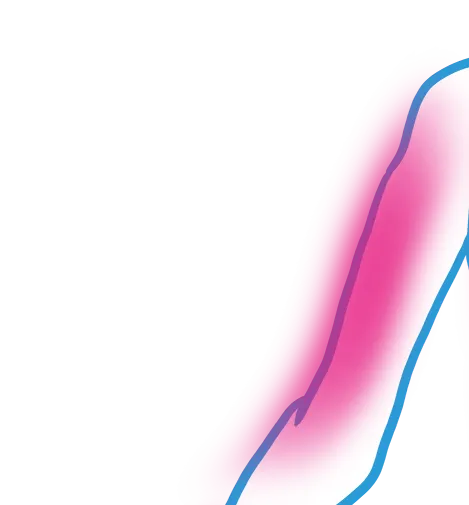
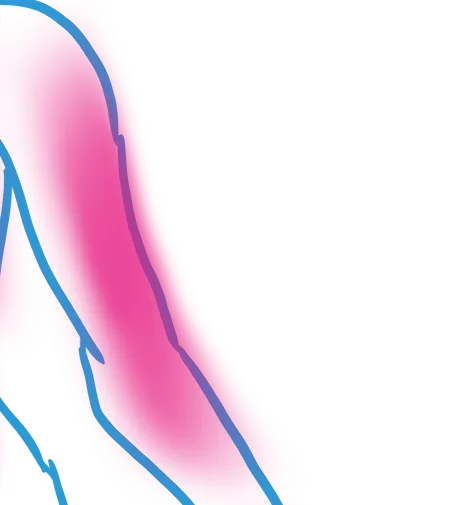
Deficiency of interleukin-1 receptor antagonist (DIRA) causes the immune system to launch an unprovoked and severe attack on the body's own tissues, resulting in widespread inflammation. The condition primarily affects the skin and skeletal system, leading to profound physical distress in newborns. Effects include:
- Severe, pus-filled skin rashes (pustulosis) covering most of the body
- Painful swelling and inflammation of the bones (osteomyelitis), particularly in the ribs and extremities
- Systemic inflammation that can progress to multiple organ failure if untreated
Causes and Risk Factors
Genetic Causes and Underlying Mechanisms
Deficiency of interleukin-1 receptor antagonist (DIRA) is caused by mutations in the IL1RN gene. This gene is responsible for producing a protein called the interleukin-1 receptor antagonist (IL-1Ra), which acts as a natural "brake" on the immune system. In a healthy body, IL-1Ra blocks the activity of interleukin-1 (IL-1), a powerful protein that triggers inflammation. In children with DIRA, the body produces little or no functional IL-1Ra. Without this control mechanism, IL-1 activity becomes unchecked, leading to constant, severe, and damaging inflammation throughout the body, particularly in the skin and bones.
Inheritance and Risk Factors
DIRA is an inherited condition that follows an autosomal recessive pattern. This means a child must inherit two copies of the mutated gene—one from each parent—to develop the disease. Parents of a child with DIRA are typically carriers, meaning they have one mutated gene and one normal gene, but do not show symptoms themselves. If both parents are carriers, there is a 25% chance with each pregnancy that the child will have DIRA. The condition is not caused by environmental factors, infections, or anything the mother did during pregnancy.
Prevention
Because DIRA is a genetic disorder, there is no known way to prevent the condition from occurring in a child who has inherited the gene mutations. However, for families with a known history of the disease, genetic counseling can help assess risks for future pregnancies. Prenatal testing may be available if the specific genetic mutations in the family have been identified. Secondary prevention focuses entirely on early diagnosis and treatment to prevent permanent bone damage and life-threatening complications.

Diagnosis, Signs, and Symptoms
Signs and Symptoms
Symptoms of DIRA typically appear very early, often at birth or within the first two weeks of life. The most visible sign is a severe skin rash characterized by widespread pustules (pus-filled bumps), redness, and scaling, which can resemble severe psoriasis. This rash often covers the entire body. Alongside skin issues, infants experience significant swelling and pain in their bones and joints. This bone inflammation, known as sterile osteomyelitis, often affects the ribs, collarbones, and long bones of the arms and legs. Infants may be irritable and cry when handled due to pain. Unlike many infections, fever may be low-grade or absent, even though the child appears very ill. Other symptoms can include mouth ulcers, nail changes, and failure to gain weight.
Diagnostic Tests and Exams
Clinicians suspect DIRA based on the combination of early-onset pustular rash and bone swelling. To confirm the diagnosis, doctors perform blood tests to check for markers of inflammation, such as C-reactive protein (CRP) and erythrocyte sedimentation rate (ESR), which are typically extremely high. Imaging tests like X-rays or MRIs are crucial; they reveal characteristic widening of the ribs and inflammation of the tissue surrounding the bones (periostitis). The definitive diagnosis is made through genetic testing, which identifies the specific mutations in the IL1RN gene. It is important to distinguish DIRA from bacterial bone infections and generalized pustular psoriasis, as the treatments differ significantly.
Treatment and Management
Medication and Therapy
The primary treatment for DIRA is replacement therapy using a medication called anakinra. Anakinra is a synthetic form of the interleukin-1 receptor antagonist protein that the patient's body is missing. By injecting this protein, the drug blocks the excess inflammation caused by interleukin-1. This treatment effectively addresses the underlying cause of the symptoms rather than just masking them. Almost immediately after starting treatment, the fever and rash typically resolve within days, while bone inflammation heals over several months. Because DIRA is a genetic deficiency, this medication must be taken daily for life to keep the disease in remission.
Management and Monitoring
Management involves daily subcutaneous (under the skin) injections of anakinra. Parents are usually trained to administer these injections at home. Regular follow-up appointments are essential to monitor the child's growth, bone healing, and blood inflammation markers. As the child gains weight, the dosage of the medication will need to be adjusted by a specialist. Unlike some other conditions, diet and lifestyle changes do not treat the disease itself, but maintaining general good health is important.
When to Seek Medical Care
Parents should seek immediate medical attention if a child with DIRA develops a high fever, lethargy, or signs of an infection, as the medication can slightly affect the immune system's ability to fight certain germs. Emergency care is needed if the child shows signs of breathing difficulty or severe distress. Routine follow-up is necessary if symptoms of the rash or bone pain return, which may indicate that the medication dosage needs adjustment.

Severity and Prognosis
Severity and Disease Course
DIRA is a severe and critical condition. Without treatment, it causes a systemic inflammatory response syndrome (SIRS) that can lead to multiple organ failure and death in infancy. The disease is progressive and does not go away on its own. However, with appropriate treatment, the course of the disease changes dramatically. It transforms from a fatal illness into a manageable chronic condition. Treated children can achieve complete remission, meaning they show no signs of active disease.
Prognosis and Long-Term Effects
The prognosis for children treated early with anakinra is excellent. Most children experience rapid catch-up growth and can lead normal lives. Life expectancy is considered normal as long as the treatment is continued daily. If treatment is delayed, there is a risk of permanent complications, such as bone deformities or short stature due to damage to the skeletal system during infancy. If the medication is stopped, symptoms will recur rapidly, typically within a few days, necessitating an immediate return to therapy.
Impact on Daily Life
Impact on Daily Activities
Once the condition is controlled with medication, a child with DIRA can attend school, participate in sports, and engage in daily activities just like their peers. There are typically no physical limitations once bone healing is complete. The primary impact on daily life is the routine of daily injections. This can be challenging for both the child and parents, but it becomes a normal part of the daily schedule, similar to insulin for diabetes.
Coping and Support
Coping with a rare genetic diagnosis can be stressful for families. Connecting with support groups for autoinflammatory diseases can provide emotional support and practical tips for managing daily injections. Parents should work closely with pediatric rheumatologists to stay informed about the latest care guidelines. It is also helpful to have a plan for travel, ensuring a sufficient supply of medication is always available.
Questions to Ask Your Healthcare Provider
When meeting with a specialist, consider asking the following questions to better understand the management of DIRA:
- How do I recognize if the current dose of medication is no longer sufficient as my child grows?
- What specific signs of infection should trigger an immediate call to your office?
- Are there any live vaccines my child should avoid while on this medication?
- What are the long-term side effects of taking interleukin-1 blockers daily?
- Can you connect us with other families who are managing this condition?

Common Questions and Answers
Q: Is DIRA contagious?
A: No, DIRA is a genetic disorder. It cannot be spread from person to person like a cold or flu.
Q: Can a child outgrow DIRA?
A: No, DIRA is caused by a permanent genetic mutation. Children do not outgrow it and will likely need treatment for their entire lives.
Q: Is the bone damage permanent?
A: If treated early, the bones can heal completely without lasting damage. However, if treatment is delayed significantly, some bone deformities may be permanent.
Q: Can the condition be cured?
A: Currently, there is no cure that fixes the gene mutation. However, replacement therapy effectively controls the disease, allowing for a normal life.
Q: Will my other children have DIRA?
A: If both parents are carriers, there is a 25% chance for each pregnancy that the child will have DIRA. Genetic counseling is recommended for future family planning.