



Epicondylitis
At a Glance
 Epicondylitis is a painful condition caused by overuse and inflammation of the tendons that attach to the bony bumps of the elbow, resulting in discomfort that often radiates into the forearm and reduces grip strength.
 This condition is quite common, affecting up to 3% of the population annually, and is most frequently seen in active adults between the ages of 30 and 50.
 While typically starting as an acute injury from repetitive strain, epicondylitis can become a chronic issue if ignored, though it is highly treatable and manageable with conservative care.
 The outlook for individuals with epicondylitis is generally excellent, with the vast majority recovering fully through non-surgical treatments without any impact on life expectancy.










How It Affects You
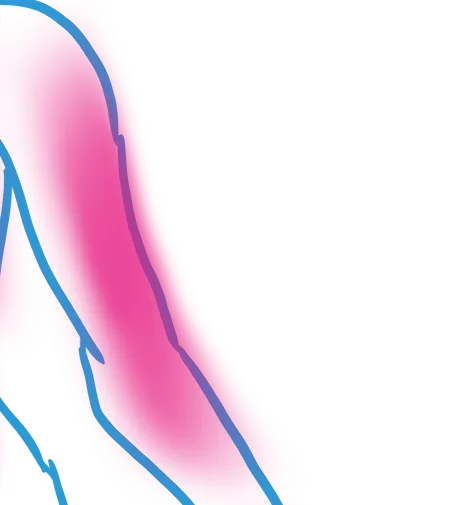
Epicondylitis, commonly known as tennis elbow or golfer's elbow, involves inflammation and micro-tearing of the tendons that attach forearm muscles to the elbow joint. This condition typically causes localized pain and tenderness on the outside or inside of the elbow, which can radiate down the forearm and impair arm function. Common physical effects include:
- Sharp or burning pain when gripping, lifting, or twisting objects
- Reduced grip strength and weakness in the wrist or forearm
- Stiffness in the elbow joint, particularly in the morning
Causes and Risk Factors
Underlying Causes and Mechanisms
Epicondylitis is primarily an overuse injury resulting from repetitive stress on the tendons connecting the forearm muscles to the elbow. When these muscles are overworked, microscopic tears develop in the tendon tissue where it anchors to the bone. The body attempts to repair these tears, but continued stress leads to inflammation and degeneration of the collagen fibers within the tendon. While often associated with sports like tennis (lateral epicondylitis) or golf (medial epicondylitis), the condition is frequently caused by everyday activities that require repetitive gripping, twisting, or lifting.
Common Risk Factors and Triggers
Several factors increase the likelihood of developing epicondylitis. Occupations that involve repetitive manual tasks are the most significant risk factor; this includes painters, carpenters, plumbers, butchers, cooks, and office workers who type heavily. Improper technique in sports or weightlifting can also place excessive load on the elbow tendons. Age is a contributing factor, as tendons lose elasticity over time. Additionally, smoking has been linked to a higher risk of tendon injuries and slower healing times.
Prevention Strategies
Primary prevention involves minimizing repetitive strain and ensuring proper body mechanics. Using ergonomic tools, taking frequent breaks during manual tasks, and correcting sports techniques can significantly reduce the load on the elbows. Strengthening the forearm muscles through specific exercises can also provide better support for the tendons. To prevent flare-ups or progression in those who already have symptoms, wearing a counterforce brace during activities and applying ice after exertion are effective strategies. There are no vaccines or specific screenings for this condition.

Diagnosis, Signs, and Symptoms
Signs and Symptoms
The hallmark symptom of epicondylitis is pain around the elbow joint that may radiate down the forearm toward the wrist. In lateral epicondylitis (tennis elbow), the pain is located on the outer bony bump of the elbow, while in medial epicondylitis (golfer's elbow), it is felt on the inner bump. Symptoms often develop gradually, starting as a mild ache that worsens over weeks or months. Patients typically experience increased pain when performing specific movements, such as:
- Shaking hands or gripping an object tightly
- Turning a doorknob or twisting a lid off a jar
- Holding a coffee cup or lifting objects with the palm down
- Flexing or extending the wrist against resistance
Diagnostic Process
Clinicians primarily diagnose epicondylitis through a physical examination and a review of the patient's medical history. During the exam, the doctor will palpate (press on) the affected area to check for tenderness and may ask the patient to move their wrist, elbow, and fingers against resistance to reproduce the pain. These simple maneuvers are usually sufficient to confirm the diagnosis. Imaging tests are not always necessary but may be ordered to rule out other causes. X-rays can check for arthritis or bone fractures, while an MRI might be used in chronic cases to assess the extent of tendon damage or rule out nerve compression.
Differential Diagnosis
It is important to distinguish epicondylitis from other conditions that cause elbow pain. Clinicians must rule out cervical radiculopathy (pinched nerve in the neck), which can refer pain to the elbow. Other potential confusion arises from cubital tunnel syndrome (compression of the ulnar nerve), radial tunnel syndrome, bursitis, or intra-articular abnormalities like arthritis within the elbow joint itself.
Treatment and Management
Medications and Conservative Treatments
The primary goal of treatment is to reduce pain and inflammation while allowing the tendon to heal. Most cases are managed effectively without surgery. Resting the affected arm and avoiding activities that aggravate the condition are the most critical first steps. Over-the-counter nonsteroidal anti-inflammatory drugs (NSAIDs) such as ibuprofen or naproxen are commonly recommended to manage pain and swelling. Physical therapy is a cornerstone of management, focusing on stretching and strengthening exercises to improve forearm flexibility and load tolerance. A counterforce brace or strap worn around the forearm can help redistribute pressure away from the injured tendon.
Procedures and Surgical Options
If conservative measures fail to provide relief after several months, doctors may consider other interventions. Corticosteroid injections can offer short-term pain relief, though they are generally used sparingly due to potential long-term tendon weakening. Platelet-rich plasma (PRP) injections, which use the patient's own blood to stimulate healing, are an emerging option for chronic cases. Surgery is rarely needed and is typically reserved for patients who have not improved after 6 to 12 months of non-surgical treatment. Surgical procedures involve removing damaged tendon tissue and reattaching healthy muscle to the bone.
Lifestyle and Self-Care
Self-management is vital for recovery. Patients are encouraged to modify how they perform daily tasks to reduce strain on the elbow. This might involve using lifting techniques that rely on the shoulder and upper arm muscles rather than the wrist and forearm. Applying ice packs to the elbow for 15 to 20 minutes several times a day can help control acute pain. Proper equipment sizing in sports (such as racket grip size) and ergonomic adjustments at workstations are also essential.
When to Seek Medical Care
While many cases of elbow pain resolve with self-care, professional medical attention is needed in certain situations. A doctor should be consulted if:
- Pain persists despite rest and home treatment
- The elbow feels hot, inflamed, and the patient has a fever (signs of infection)
- The elbow cannot be bent or straightened fully
- There is visible deformity or severe swelling
- Numbness or tingling is felt in the hand or fingers

Severity and Prognosis
Severity and Disease Course
Epicondylitis is generally considered a mild to moderate condition in terms of medical severity, although the pain can be debilitating enough to interfere with work and hobbies. It is typically a self-limiting condition, meaning it often resolves on its own over time, even without extensive treatment. The duration of symptoms varies significantly; some people recover in a few weeks, while others may experience symptoms for 6 months to 2 years. It is classified as acute in the early stages but is frequently encountered as a chronic condition due to repeated reinjury before full healing occurs.
Prognosis and Recovery
The prognosis for epicondylitis is very positive. Approximately 80% to 95% of patients achieve recovery through non-surgical means. Factors that may lead to a poorer prognosis or longer recovery time include heavy manual labor, high levels of initial pain, and long duration of symptoms before seeking treatment. Recurrence is possible, especially if the activity causing the strain is resumed without correcting the underlying biomechanical issues or allowing sufficient healing time.
Complications and Long-Term Effects
Serious long-term health risks are rare. The most common complication is chronic pain or weakness in the grip. In rare instances, repeated steroid injections can lead to tendon rupture or skin discoloration. Failure to treat the condition or modify activities can lead to chronic tendinosis, where the tendon degenerates rather than just being inflamed. This condition does not affect other organs or life expectancy.
Impact on Daily Life
Impact on Daily Activities and Work
Epicondylitis can make routine tasks frustrating and painful. Simple actions like brushing teeth, turning a doorknob, holding a coffee cup, or shaking hands can trigger sharp pain. For individuals in manual labor jobs or office workers who type extensively, the condition can limit work capacity and may require modified duties or time off. In sports, it often necessitates a temporary break from the activity that caused the injury, which can be mentally challenging for athletes.
Coping Strategies
Practical modifications are key to navigating daily life with this condition. Using the non-dominant hand for tasks when possible helps rest the injured arm. When lifting objects, keeping the palms facing up and holding the item close to the body can reduce strain on the outer elbow. Using thicker pens or adding grips to tools can reduce the force needed to hold them. Prioritizing rest breaks during repetitive activities allows the tissues to recover.
Questions to Ask Your Healthcare Provider
Being prepared for a medical appointment can help patients get the best care. Useful questions include:
- Is my condition lateral (tennis elbow) or medial (golfer's elbow) epicondylitis?
- What specific activities or movements should I absolutely avoid right now?
- Would wearing a brace or splint help me, and if so, which type?
- Can you recommend specific physical therapy exercises I can do at home?
- How long should I wait before trying to return to my sport or normal work duties?
- What are the risks and benefits of a cortisone injection for my specific case?
- At what point should we consider imaging like an MRI?

Common Questions and Answers
Q: Do I have to play tennis or golf to get epicondylitis?
A: No. While the names "tennis elbow" and "golfer's elbow" are common, the majority of cases are caused by everyday activities like painting, cooking, typing, or manual labor that involves repetitive arm and wrist motion.
Q: Will epicondylitis go away on its own?
A: It often does, but it can take a long time—sometimes up to a year or more. Resting the arm and following self-care measures usually speeds up the recovery process significantly.
Q: Should I use heat or ice for the pain?
A: Ice is generally recommended, especially in the early stages or after activity, to reduce inflammation and numb the pain. Heat may be used later to help loosen tight muscles but should not be used if the area is swollen.
Q: Is surgery usually required to fix this?
A: Surgery is very rarely the first line of defense. It is typically only considered if symptoms persist for more than 6 to 12 months despite a strict regimen of rest, therapy, and other conservative treatments.
Q: Can I work out while I have this condition?
A: You can usually continue workouts that do not strain the affected elbow. You should avoid heavy gripping exercises or movements that cause pain in the elbow. A physical therapist can help modify your routine to maintain fitness without aggravating the injury.