


Hereditary tyrosinemia type 1
At a Glance
 Hereditary tyrosinemia type 1 is a rare genetic metabolic disorder that prevents the body from breaking down the amino acid tyrosine, causing toxic byproducts to accumulate and damage the liver, kidneys, and nervous system.
 This condition typically presents in infants or young children and affects approximately one in 100,000 to 120,000 newborns worldwide, with a notably higher prevalence in the Quebec region of Canada.
 It is a chronic, life-long condition that can present acutely in infancy but is highly treatable and manageable with specific medication and dietary restrictions.
 With early diagnosis and consistent treatment, the outlook is excellent and allows for a normal lifespan, whereas untreated cases often lead to fatal liver or kidney complications in childhood.










How It Affects You
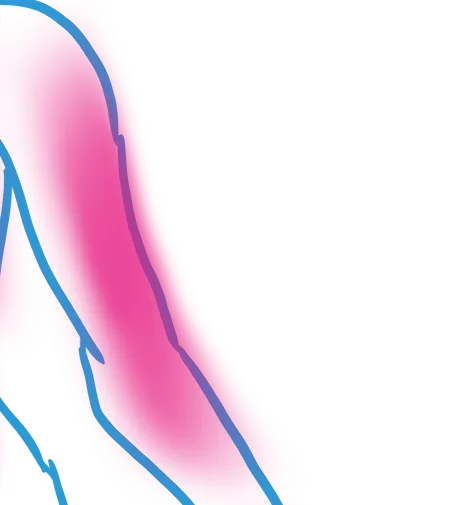
Hereditary tyrosinemia type 1 is a severe metabolic disorder characterized by the body's inability to break down the amino acid tyrosine, leading to the accumulation of toxic substances that damage vital organs. This toxicity most critically impacts the liver and kidneys, potentially causing failure or cancer, while also leading to complications in the nervous system and skeletal structure.
- Toxic byproducts cause progressive damage to liver and kidney tissues.
- Neurological crises may result in severe pain and changes in mental state.
- Bone weakening, known as rickets, can affect the limbs and cause deformities.
Causes and Risk Factors
Biological Causes
Hereditary tyrosinemia type 1 is caused by a deficiency in the enzyme fumarylacetoacetate hydrolase (FAH). This enzyme is the last in a series of enzymes needed to break down tyrosine, an amino acid found in most proteins. Because the FAH enzyme is missing or not working properly, tyrosine and its byproducts—specifically a toxic substance called succinylacetone—build up in the body. This accumulation is toxic to cells, particularly in the liver and kidneys, causing tissue death and organ damage.
Genetic Risk Factors
The condition is inherited in an autosomal recessive pattern, meaning a child must inherit two copies of the non-working gene, one from each parent, to develop the disorder. Parents who each carry one copy of the mutated gene are carriers but typically do not show symptoms. The primary risk factor is having a family history of the condition. There is also a significantly higher prevalence of the disease in the Saguenay-Lac-Saint-Jean region of Quebec, Canada, due to a genetic founder effect.
Prevention
There is currently no way to prevent the genetic mutation that causes hereditary tyrosinemia type 1. Primary prevention involves genetic counseling for parents with a family history who wish to understand their risks before having children. Secondary prevention focuses on preventing the damage caused by the disease; this is achieved through newborn screening, which identifies the condition before symptoms appear, allowing treatment to begin immediately to prevent liver and kidney injury.

Diagnosis, Signs, and Symptoms
Common Signs and Symptoms
Symptoms can vary depending on the age of onset. In infants (acute form), signs often appear in the first few months of life and include failure to gain weight (failure to thrive), fever, diarrhea, vomiting, and an enlarged liver and spleen. A distinctive sign is a unique odor of the skin or urine often described as smelling like boiled cabbage. Infants may also show jaundice (yellowing of the skin and eyes) and a tendency to bleed or bruise easily, such as frequent nosebleeds.
Neurologic and Bone Symptoms
Children may experience episodes known as neurologic crises, which can cause severe pain in the legs, arms, or abdomen, changes in mental state, and sometimes breathing difficulties. Chronic symptoms often involve the kidneys and bones, leading to rickets—a condition where bones become soft and weak, causing pain and deformities in the legs and arms.
Diagnostic Tests and Screening
In many regions, hereditary tyrosinemia type 1 is identified through standard newborn screening programs using a heel-prick blood test. If the condition is suspected later, doctors use blood and urine tests to look for elevated levels of tyrosine and the specific toxin succinylacetone. Genetic testing is used to confirm the diagnosis by identifying mutations in the FAH gene. Doctors may also use imaging, such as ultrasound or MRI, to assess the liver and kidneys for damage or tumors.
Treatment and Management
Medication
The primary treatment for hereditary tyrosinemia type 1 is a medication called nitisinone (Orfadin). This drug blocks the breakdown of tyrosine at an earlier step in the metabolic pathway, preventing the formation of the toxic byproducts that damage the liver and kidneys. Since the introduction of nitisinone, the need for liver transplantation has decreased significantly, and survival rates have improved dramatically.
Dietary Management
Medication must be combined with a special low-protein diet to prevent tyrosine from building up in the blood. This involves avoiding high-protein foods such as meat, dairy, eggs, fish, nuts, and beans. Patients typically use a special medical formula that provides protein without tyrosine and phenylalanine. A dietitian helps manage this diet to ensure normal growth and nutritional balance.
Surgical Options
If the condition has caused severe liver failure before treatment could start, or if there is evidence of liver cancer, a liver transplant may be necessary. While a transplant cures the liver enzyme defect, it is a major procedure with long-term risks, so medical management is the preferred first-line approach.
Monitoring and Follow-Up
Regular check-ups are essential to monitor tyrosine levels in the blood and ensure the medication dosage is correct. Doctors will also perform routine imaging and blood tests to monitor liver health (checking for signs of cancer) and kidney function. Eye exams may be needed as high tyrosine levels can sometimes cause corneal crystals.
When to Seek Medical Care
Parents should seek immediate medical attention if a child with this condition experiences signs of a neurologic crisis, such as unexplained severe pain, changes in behavior, or difficulty breathing. Vomiting or an inability to keep down medication is also an emergency, as missed doses can lead to a recurrence of toxic symptoms. Routine follow-up should be maintained strictly as advised by the metabolic specialist.

Severity and Prognosis
Disease Course and Severity
Historically, hereditary tyrosinemia type 1 was classified into acute (infancy) and chronic (childhood) forms, with the acute form being more severe. Without treatment, the disease is serious and often fatal in childhood due to liver failure, kidney failure, or neurologic crises. However, the severity is now largely dependent on how early treatment is initiated. Children diagnosed via newborn screening who start treatment immediately often remain free of severe symptoms.
Long-Term Complications
The most significant long-term risk is the development of hepatocellular carcinoma (liver cancer). While nitisinone treatment greatly reduces this risk, it does not eliminate it entirely, especially if treatment is delayed or interrupted. Chronic kidney issues and rickets can also persist or develop if metabolic control is poor.
Prognosis and Life Expectancy
With the advent of nitisinone and newborn screening, the prognosis has changed from a fatal childhood disease to a manageable chronic condition. Children treated early are expected to grow normally and live into adulthood. Survival rates exceed 90% for those who start treatment in the first month of life. The outcome is generally tied to adherence to medication and diet; stopping treatment can lead to a rapid and dangerous return of symptoms.
Impact on Daily Life
Managing Diet and Daily Activities
Daily life with hereditary tyrosinemia type 1 revolves around strict dietary compliance and medication schedules. Families often need to prepare separate meals and carefully read food labels. School-aged children require support to manage their diet outside the home, such as during school lunches or parties. Despite these restrictions, children can participate in regular school and physical activities.
Emotional and Social Aspects
Living with a rare chronic condition can be isolating for families and children. The strict diet can sometimes make social situations centered around food difficult. Connecting with support groups for metabolic disorders can provide emotional support and practical tips for low-protein cooking. As children grow, transitioning responsibility for their medication and diet from parent to child is a key step in their development.
Questions to Ask Your Healthcare Provider
- Is my child's current medication dosage appropriate for their weight?
- How strictly do we need to count protein grams versus using the medical formula?
- What are the specific signs of a neurologic crisis I should watch for?
- How often does my child need imaging to screen for liver cancer?
- Are there any new dietary products or formulas available that might taste better?
- What emergency plan should we have if my child vomits their medication?

Common Questions and Answers
Q: Is hereditary tyrosinemia type 1 curable?
A: While there is no cure for the genetic defect itself, the condition is highly manageable with medication and diet. A liver transplant can correct the enzyme deficiency in the liver and is considered a cure for the liver-related aspects of the disease, but it carries its own risks and requires lifelong immunosuppression.
Q: Can a child with this condition live a normal life?
A: Yes, with early diagnosis and proper treatment, children typically attend school, play sports, and grow into healthy adults. The main difference in their daily life is the need for medication and a restricted diet.
Q: What happens if the medication is stopped?
A: Stopping nitisinone can be dangerous. Toxic substances can build up rapidly, potentially causing a severe neurologic crisis, liver failure, or kidney damage. It is critical to never stop medication without medical supervision.
Q: Does the special diet last forever?
A: Yes, the low-protein diet and medical formula are generally required for life to keep tyrosine levels in a safe range and prevent long-term side effects, although the strictness may be adjusted by your doctor based on blood levels.
Q: Is this condition fatal?
A: Without treatment, it is usually fatal in early childhood. However, with modern medical treatment, it is no longer considered a fatal disease, and life expectancy is normal or near-normal.