


Idiopathic edema
At a Glance
 Idiopathic edema is a condition primarily affecting women where the body retains excess fluid for unexplained reasons, leading to swelling and weight fluctuations.
 This condition is relatively common and almost exclusively affects pre-menopausal women, typically appearing between the ages of 20 and 50.
 It is a chronic and manageable condition that may persist for years but often does not require aggressive medical intervention.
 The outlook is excellent regarding life expectancy and physical health, though the condition can affect quality of life due to discomfort and cosmetic concerns.









How It Affects You
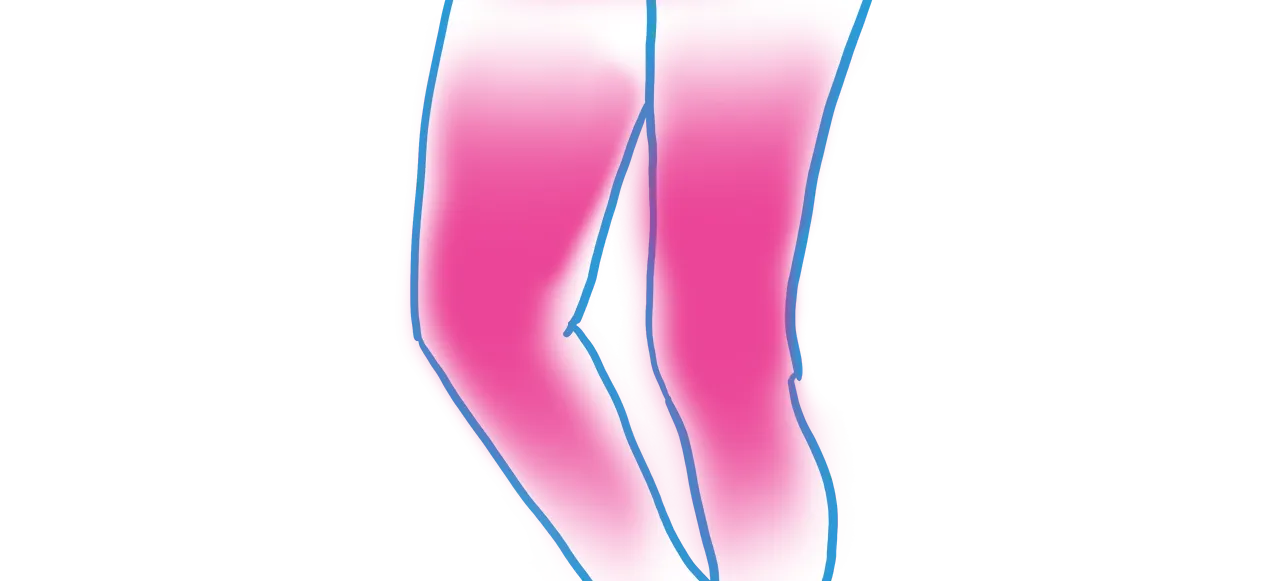
Idiopathic edema is a disorder characterized by excessive fluid retention that typically shifts due to gravity and posture. Patients often wake up with puffiness around the eyes and face, which resolves as they move about, only for fluid to accumulate in the lower body and abdomen as the day progresses. This results in observable physical changes and sensations such as:
- Noticeable swelling in the hands, legs, and feet by evening
- Abdominal bloating and tightness
- Significant daily weight fluctuation
Causes and Risk Factors
Underlying Causes
The exact cause of idiopathic edema is not fully understood, but it involves the body holding onto too much salt and water. Researchers believe it may be related to changes in how blood vessels allow fluid to leak into tissues or how the kidneys respond to hormones like aldosterone and renin when a person stands up. For many women, the condition is exacerbated by an exaggerated response to gravity, where standing causes excessive sodium retention.
Risk Factors and Triggers
The most significant risk factor is gender, as the condition almost never occurs in men. Other contributing factors include obesity, emotional stress, and a diet high in carbohydrates or salt. A major trigger for many patients is the habitual use of diuretics (water pills); while these are used to treat swelling, their long-term use can paradoxically cause the body to retain more fluid when the medication wears off, creating a cycle of dependency.
Prevention
Because the root cause is unknown, primary prevention is difficult. However, avoiding the initiation of diuretic therapy for simple swelling and maintaining a balanced diet with stable salt intake can help prevent the condition from becoming severe or chronic.

Diagnosis, Signs, and Symptoms
Clinically Meaningful Symptoms
The hallmark symptom of idiopathic edema is significant weight gain throughout the day, often exceeding three pounds between morning and evening. Women typically report waking up with puffy eyelids or facial swelling. As the day continues, the fluid shifts downward, causing swelling in the abdomen, hands, legs, and feet. This fluid accumulation can make shoes feel tight and clothes feel restrictive by the end of the day.
How Clinicians Identify the Condition
Diagnosis is primarily a process of exclusion, meaning doctors must rule out serious causes of generalized swelling such as heart failure, kidney disease, liver disease, or thyroid issues. A physical exam and blood tests are used to ensure these organs are functioning correctly. In some cases, a clinician may ask a patient to record their weight in the morning and evening for several days to document the fluctuation.
Treatment and Management
Lifestyle and Self-Care Strategies
The cornerstone of management is often lifestyle modification rather than medication. Reducing salt intake helps limit fluid retention, and avoiding excessive carbohydrate consumption can also be beneficial. Patients are often encouraged to lie down flat for short periods during the day to help fluid move out of the legs and be processed by the kidneys. Wearing compression stockings can also help prevent fluid from pooling in the lower extremities.
Medications
Doctors generally advise weaning off diuretics (water pills) if the patient has been using them, as these drugs often worsen the problem long-term through a rebound effect. If medication is necessary, physicians may prescribe specific drugs that block aldosterone, a hormone involved in salt retention, rather than standard diuretics.
When to See a Doctor
It is important to seek medical care if swelling appears suddenly, affects only one limb, or is accompanied by pain, redness, or heat. Emergency care is needed if swelling occurs with chest pain or shortness of breath, as these may be signs of a blood clot or heart condition rather than idiopathic edema.

Severity and Prognosis
Seriousness and Disease Course
Idiopathic edema is a benign condition, meaning it does not pose a threat to life or lead to organ failure. It is typically a chronic issue that waxes and wanes over time. While the symptoms can be frustrating and uncomfortable, they do not indicate a progressive disease process.
Long-Term Complications
There are generally no serious long-term physical complications associated with the condition itself. The primary risk comes from inappropriate treatment, specifically the chronic abuse of diuretics, which can lead to electrolyte imbalances or kidney issues. Without such misuse, the condition remains limited to fluid retention and does not damage the kidneys or heart.
Prognosis
The long-term outlook is positive. Many women find that the condition improves or resolves completely after menopause. With proper management of diet and avoidance of diuretic triggers, most patients can control their symptoms effectively.
Impact on Daily Life
Daily Activities and Emotional Health
The physical changes caused by idiopathic edema can impact self-esteem and body image, as patients may feel heavy or bloated. Practical challenges include needing different sizes of clothing or shoes to accommodate daily swelling. The discomfort can lead to fatigue or irritability, but it typically does not prevent women from working or participating in social activities.
Questions to Ask Your Healthcare Provider
- How much salt should I aim for in my daily diet?
- Are any of my current medications contributing to the swelling?
- What is the best way to stop taking water pills without gaining too much weight?
- How often should I weigh myself to monitor the condition?
- Are there specific compression stockings you recommend?

Common Questions and Answers
Q: Is idiopathic edema a sign of heart or kidney failure?
A: No, by definition, idiopathic edema is diagnosed only after heart, kidney, and liver failure have been ruled out. It is a separate condition that does not involve organ damage.
Q: Will drinking less water help reduce the swelling?
A: Restricting water is generally not recommended and can be harmful. The issue is how the body handles salt, not water intake itself, so focusing on salt reduction is more effective.
Q: Why do I weigh so much more at night than in the morning?
A: The weight gain is due to fluid being retained in your body throughout the day as you eat and drink, which is not excreted as efficiently as normal. This fluid adds temporary weight that is usually lost overnight.
Q: Can I just take a water pill when I feel bloated?
A: It is strongly advised not to take water pills (diuretics) without a doctor's ongoing supervision. Occasional use can trigger a cycle where your body retains even more fluid once the pill wears off, making the condition worse over time.