



Neonatal-onset multisystem inflammatory disease
At a Glance
 Neonatal-onset multisystem inflammatory disease is a rare, severe genetic disorder present from birth that causes uncontrolled inflammation throughout the body, leading to chronic fever, skin rash, joint abnormalities, and damage to the central nervous system.
 This extremely rare condition is typically present at birth or develops within the first few weeks of life, affecting infants and persisting into adulthood.
 NOMID is a chronic, lifelong condition that cannot be cured but is manageable and treatable with continuous medication to control inflammation.
 While untreated cases often result in severe disability and premature death, early and sustained therapy significantly improves quality of life and life expectancy.









How It Affects You
Neonatal-onset multisystem inflammatory disease causes persistent, uncontrolled inflammation throughout the body starting from birth. This systemic reaction damages various tissues and organs, primarily leading to:
- Chronic meningitis and neurological complications
- Widespread, non-itchy skin rash and recurrent fevers
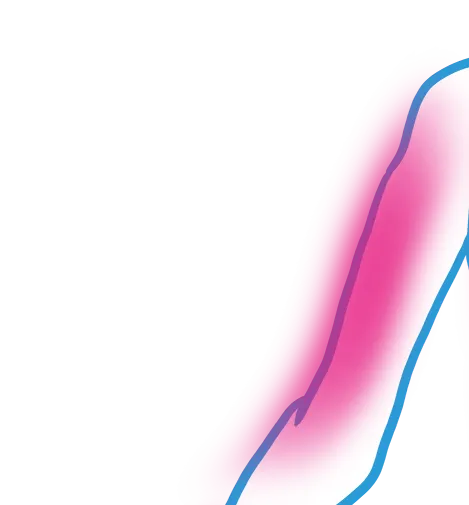
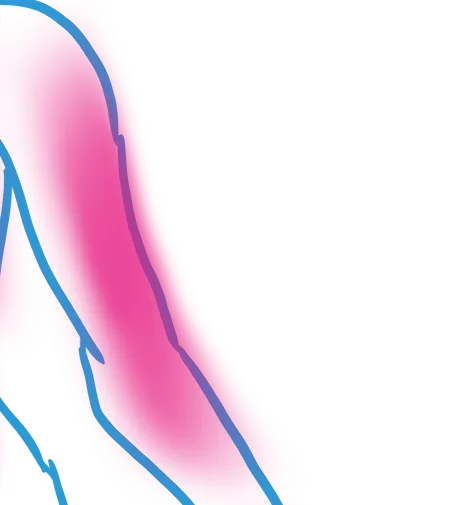
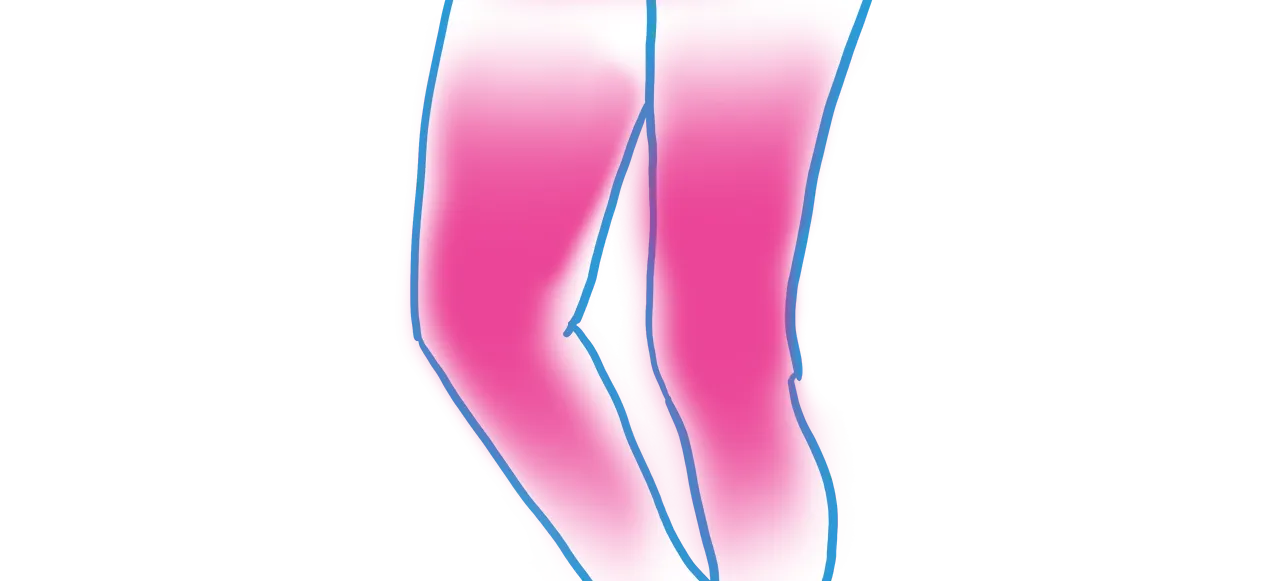
- Severe joint swelling and bone deformities
Causes and Risk Factors
Genetic Causes
Neonatal-onset multisystem inflammatory disease is caused by a mutation in the NLRP3 (also known as CIAS1) gene, which provides instructions for making a protein called cryopyrin. This mutation leads to an overactive immune system that produces excessive amounts of interleukin-1 beta, an inflammatory protein, causing chronic tissue damage and symptoms. In most cases, the mutation occurs spontaneously (de novo) at conception, meaning neither parent has the condition, though it can be inherited in an autosomal dominant pattern.
Risk Factors
The primary risk factor is carrying the specific genetic mutation. Because the majority of cases arise from new mutations, family history is not always a predictor, although having an affected parent increases the risk for their children. There are no environmental or lifestyle risk factors known to cause the condition.
Prevention
Since the condition is genetic, there is no known way to prevent the mutation from occurring. For individuals with a family history of the disease, genetic counseling can help assess the risk of passing the condition to future offspring.

Diagnosis, Signs, and Symptoms
Signs and Symptoms
Symptoms typically appear at birth or shortly thereafter and include a persistent, non-itchy, hive-like rash that may vary in intensity, along with recurrent fevers. Infants often develop signs of chronic meningitis (inflammation of the membranes around the brain), such as irritability, headaches, vomiting, and seizures. Over time, the condition can cause severe joint swelling, bony overgrowth (especially in the knees), distinctive facial features like a protruding forehead, and sensory issues including progressive hearing loss and vision problems due to optic nerve swelling.
Diagnosis
Doctors diagnose the condition based on clinical evaluation of the characteristic rash, joint changes, and neurological symptoms. Blood tests reveal elevated inflammatory markers like C-reactive protein (CRP) and erythrocyte sedimentation rate (ESR). Imaging tests such as MRI are used to detect inflammation in the brain and inner ear, while bone X-rays reveal characteristic deformities. Diagnosis is confirmed through genetic testing for mutations in the NLRP3 gene, although a small percentage of patients may not have a detectable mutation despite having clinical symptoms.
Treatment and Management
Medications
The cornerstone of treatment is the use of biologic medications known as interleukin-1 (IL-1) inhibitors, such as anakinra or canakinumab, which block the inflammatory protein responsible for symptoms. These medications are highly effective at controlling inflammation and preventing progressive organ damage but must be taken for life. Corticosteroids may be used for short-term symptom relief but are not a long-term solution.
Management and Monitoring
Comprehensive management requires a team of specialists, including rheumatologists, neurologists, ophthalmologists, and audiologists. Regular monitoring includes hearing and vision exams, blood tests to track inflammatory markers, and imaging to assess bone and brain health. Physical therapy and supportive devices, such as hearing aids, may be needed to manage disabilities.
When to See a Doctor
Immediate medical care is needed if a child experiences a sudden high fever, seizures, severe headache, or signs of vision loss, as these may indicate increased pressure in the brain or a disease flare. Regular follow-up appointments are critical to adjust medication dosages, especially as a child grows.

Severity and Prognosis
Severity and Disease Course
NOMID is the most severe form of Cryopyrin-Associated Periodic Syndromes (CAPS). It is a serious, progressive disorder that, without treatment, causes constant inflammation leading to irreversible damage to the brain, eyes, ears, and joints.
Prognosis and Complications
Historically, the prognosis was poor, with many children suffering from intellectual disability, blindness, deafness, and early death due to complications like kidney failure (amyloidosis). However, with early diagnosis and modern IL-1 inhibitor treatment, the outlook has improved dramatically, allowing many patients to avoid severe complications and live into adulthood with a better quality of life.
Impact on Daily Life
Daily Activities and School
Daily life often involves strict medication schedules, including daily injections, which can be challenging for families and children. Children may require accommodations at school for physical limitations, hearing or vision impairments, and absences due to medical appointments. Open communication with teachers and school nurses is essential to support the child's education and health needs.
Mental and Emotional Health
Living with a rare, chronic condition can be stressful and isolating. Support groups for families of children with autoinflammatory diseases can provide valuable community and practical advice. Counseling may be beneficial for helping children cope with the emotional aspects of growing up with a chronic illness.
Questions to Ask Your Healthcare Provider
- What is the long-term safety plan for the prescribed biologic medication?
- How frequently should my child undergo hearing and vision screenings?
- Are there any specific vaccines my child should avoid while on treatment?
- What signs indicate that the current medication dose is no longer effective?
- Are there any lifestyle restrictions we should be aware of?

Common Questions and Answers
Q: Is Neonatal-onset multisystem inflammatory disease contagious?
A: No, it is a genetic disorder and cannot be spread from person to person.
Q: Can the condition be cured?
A: There is currently no cure, but lifelong treatment can effectively manage symptoms and prevent further damage.
Q: Is the rash itchy?
A: Unlike common hives or allergic reactions, the rash associated with this condition is typically not itchy.
Q: Will my child have a normal life expectancy?
A: With early and consistent treatment, life expectancy is significantly improved and can be near normal, whereas untreated disease carries a high risk of premature death.
Q: Can adults develop this condition?
A: Symptoms almost always start in infancy; however, milder cases might be diagnosed later in life, though some damage may have already occurred.