



Neurofibromatosis type 1
At a Glance
 Neurofibromatosis type 1 is a genetic condition that causes tumors to grow along nerves and typically presents with changes in skin pigmentation and bone development.
 This condition is one of the most common genetic disorders, affecting approximately 1 in 3,000 people, and is usually diagnosed in early childhood.
 It is a chronic, lifelong condition that is not curable but can be managed through regular medical monitoring and treatment of symptoms.
 Most individuals with this condition have a normal life expectancy and lead productive lives, though the outlook depends on the severity of symptoms and potential complications.









How It Affects You
Neurofibromatosis type 1 is a genetic disorder that disrupts cell growth in the nervous system, causing tumors to form on nerve tissue. These tumors can develop anywhere in the body, often appearing as soft bumps on or under the skin. The condition affects multiple systems, leading to:
- Skin pigment changes, such as flat light-brown spots known as café-au-lait spots.
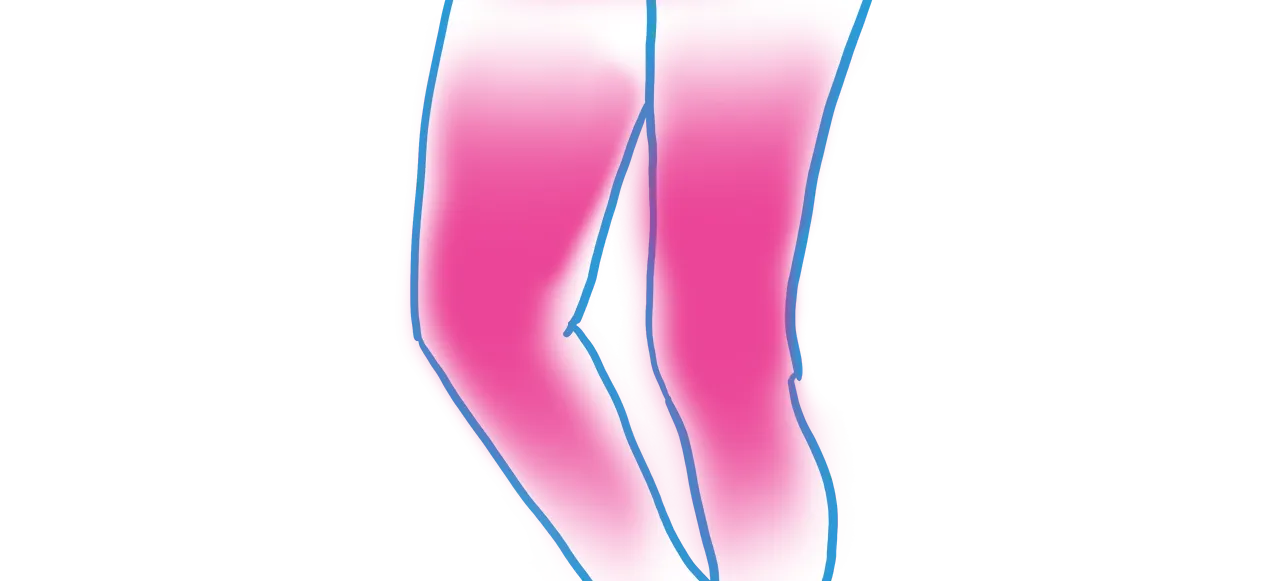
- Bone abnormalities, including curvature of the spine or bowing of the lower legs.
- Benign tumors on the iris of the eye, known as Lisch nodules.
Causes and Risk Factors
Biological Causes
Neurofibromatosis type 1 is caused by a mutation in the NF1 gene located on chromosome 17. This gene provides instructions for making a protein called neurofibromin, which helps regulate cell growth and acts as a tumor suppressor. When the gene is mutated, neurofibromin does not function correctly, allowing cells to grow uncontrolled and form tumors on nerves throughout the body. This process affects various tissues, including the skin, bones, and eyes.
Risk Factors
The primary risk factor for this condition is family history. Approximately half of the cases are inherited from a parent who has the condition in an autosomal dominant pattern, meaning only one copy of the altered gene is needed to cause the disorder. The other half of cases result from a new, spontaneous mutation in the NF1 gene during the formation of reproductive cells or early development. These individuals have no family history of the disorder but can pass it on to their children.
Prevention Strategy
There is currently no known way to prevent the genetic mutation that causes Neurofibromatosis type 1. For individuals with a family history of the condition, genetic counseling and testing can help assess the risk of passing the gene to offspring. Prenatal testing and preimplantation genetic diagnosis are options available for families who wish to identify the mutation before birth. Management focuses on early detection of signs to monitor for complications rather than preventing the condition itself.

Diagnosis, Signs, and Symptoms
Common Signs and Symptoms
Signs often appear in infancy or early childhood and can vary widely in severity, even among members of the same family. Clinicians look for a specific set of criteria to diagnose the condition. The most frequent signs include:
- Six or more flat, light-brown spots on the skin known as café-au-lait spots, which are usually present from birth or appear in the first years of life.
- Freckling in the armpits or groin area, which typically develops later in childhood.
- Tiny bumps on the iris of the eye called Lisch nodules, which do not affect vision but are helpful for diagnosis.
- Neurofibromas, which are soft, pea-sized bumps on or under the skin, or plexiform neurofibromas, which are larger tumors affecting nerve bundles.
- Bone deformities such as bowing of the lower leg or curvature of the spine.
Diagnostic Process
Diagnosis is primarily based on a physical examination and medical history. A doctor will check the skin for pigment changes and tumors, examine the skeleton for abnormalities, and check blood pressure. An eye examination by a specialist is often used to detect Lisch nodules or optic pathway tumors. Genetic testing can confirm the diagnosis by identifying the specific mutation in the NF1 gene, which is helpful in uncertain cases or for family planning. Imaging tests like MRI may be used to look for tumors inside the body or changes in the brain.
Differential Diagnosis
Doctors may need to distinguish this condition from other disorders that cause similar skin or tumor growth. These include Neurofibromatosis type 2, which is a distinct genetic disorder, and Legius syndrome, which shares pigmentary signs like café-au-lait spots but does not cause neurofibromas. Accurate diagnosis is essential to ensure appropriate monitoring for the specific complications associated with Neurofibromatosis type 1.
Treatment and Management
Medical and Surgical Management
There is no cure for Neurofibromatosis type 1, so treatment focuses on monitoring the condition and managing symptoms. Routine physical exams are essential to check for new tumors, high blood pressure, or skeletal changes. For painful or disfiguring neurofibromas, surgery may be performed to remove them, although they can grow back. Recently, specific medications called MEK inhibitors have been approved to treat certain inoperable plexiform neurofibromas in children, helping to shrink these tumors. Orthopedic specialists manage bone issues like scoliosis or leg bowing, sometimes requiring bracing or surgery.
Lifestyle and Monitoring
Children with this condition often undergo annual evaluations to monitor their development and learning, as learning disabilities are common. Regular eye exams are necessary to screen for optic gliomas, which are tumors on the optic nerve. Adults should continue regular monitoring for blood pressure and any changes in existing neurofibromas. A healthy lifestyle that includes regular exercise and a balanced diet is recommended to maintain general health and bone density.
When to Seek Medical Care
Regular check-ups are standard, but immediate medical attention is required in certain situations. You should contact a healthcare provider if you notice:
- Rapid growth of an existing lump or tumor.
- New or worsening pain that wakes you up at night or persists.
- Changes in vision, such as blurriness or loss of peripheral sight.
- Weakness, numbness, or tingling in the arms or legs.
- Difficulty breathing or swallowing, which could indicate a tumor pressing on the airway or throat.

Severity and Prognosis
Disease Course and Severity
Neurofibromatosis type 1 is a progressive condition, meaning signs and symptoms can change or increase over time. The severity is highly variable; some individuals have only mild skin manifestations, while others experience more significant complications. It is difficult to predict how the condition will progress for any specific individual. Most tumors associated with the condition are benign, meaning they are not cancerous, but they can still cause functional problems depending on their size and location.
Potential Complications
While many people live healthy lives, the condition carries risks for specific complications. Learning disabilities and attention deficits occur in a significant number of children. Orthopedic issues like scoliosis or thinning of the shinbone can require long-term management. There is a higher risk of developing high blood pressure. In rare cases, benign neurofibromas can transform into malignant peripheral nerve sheath tumors, a type of cancer that requires aggressive treatment. Women with the condition also have a slightly elevated risk of breast cancer at a younger age.
Outlook and Life Expectancy
The majority of people with Neurofibromatosis type 1 have a life expectancy that is close to the general population. With early diagnosis and consistent monitoring, complications can often be caught and treated early, improving long-term health outcomes. The most significant factor influencing prognosis is the development of rare malignancies or severe vascular problems, which underscores the importance of lifelong medical follow-up.
Impact on Daily Life
Daily Living and Coping
Living with Neurofibromatosis type 1 affects different people in different ways. For children, the impact often involves school performance, as learning disabilities or ADHD are common; specialized education plans can be very helpful. The visible nature of skin tumors or bone deformities can affect self-esteem and social interactions, causing anxiety or distress. Connecting with support groups or seeking counseling can provide emotional support and practical coping strategies for handling social situations.
Questions to Ask Your Healthcare Provider
Being prepared for appointments helps ensure you get the information needed to manage the condition effectively. Consider asking the following questions:
- What is the recommended schedule for monitoring and follow-up appointments?
- Should other family members undergo genetic testing?
- What specific symptoms should I watch for that require immediate attention?
- Are there any new treatments or clinical trials that might be relevant for me?
- How can we best support learning or behavioral challenges at school?

Common Questions and Answers
Q: Is Neurofibromatosis type 1 contagious?
A: No, it is a genetic disorder. You cannot catch it from someone else like a cold or flu.
Q: Can the condition be cured?
A: Currently, there is no cure, but treatments are available to manage symptoms and complications effectively.
Q: Will my child definitely have the condition if I have it?
A: If you have the condition, there is a 50% chance with each pregnancy that you will pass the gene mutation to your child.
Q: Are the tumors cancerous?
A: Most tumors associated with this condition are benign (non-cancerous). However, there is a small risk that certain tumors can become malignant, so regular monitoring is important.
Q: Does the severity of the condition run in families?
A: Not necessarily. The severity can vary greatly even among family members who share the same gene mutation.