



Orthostatic hypotension
At a Glance
 Orthostatic hypotension is a condition where blood pressure drops significantly when a person stands up from sitting or lying down, causing symptoms like dizziness or fainting due to reduced blood flow to the brain/body relation to gravity effects on circulation mechanics known as postural changes in hemodynamics (simplified: gravity pulls blood down, and the body fails to push it back up quickly enough). Orthostatic hypotension is a sudden drop in blood pressure that happens when you stand up from a sitting or lying position, often leading to dizziness, lightheadedness, or fainting because the brain does not receive enough blood flow.
 This condition is most common in older adults, affecting about 20% of people over age 65, though it can occur in younger individuals who are dehydrated, pregnant, or have specific heart or nervous system disorders.
 It can be an acute and temporary issue caused by dehydration or medication, or a chronic and manageable condition resulting from underlying diseases like diabetes or Parkinson's disease.
 While the outlook depends on the underlying cause, many people effectively manage symptoms with lifestyle changes and medication, although the condition increases the risk of falls and can impact daily independence.








How It Affects You
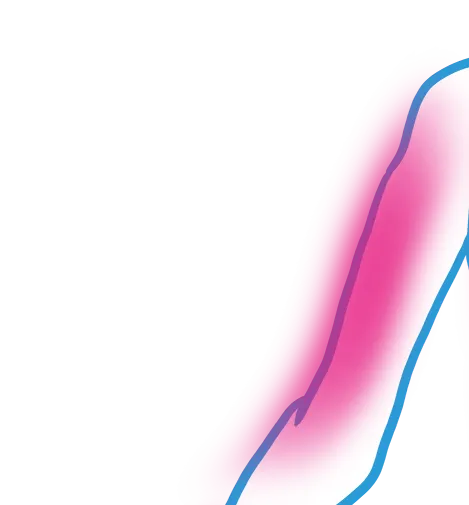
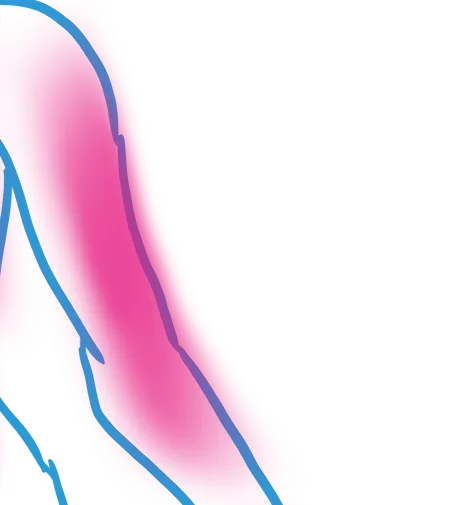
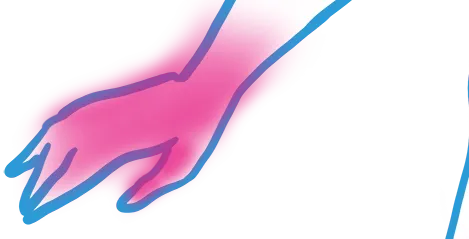
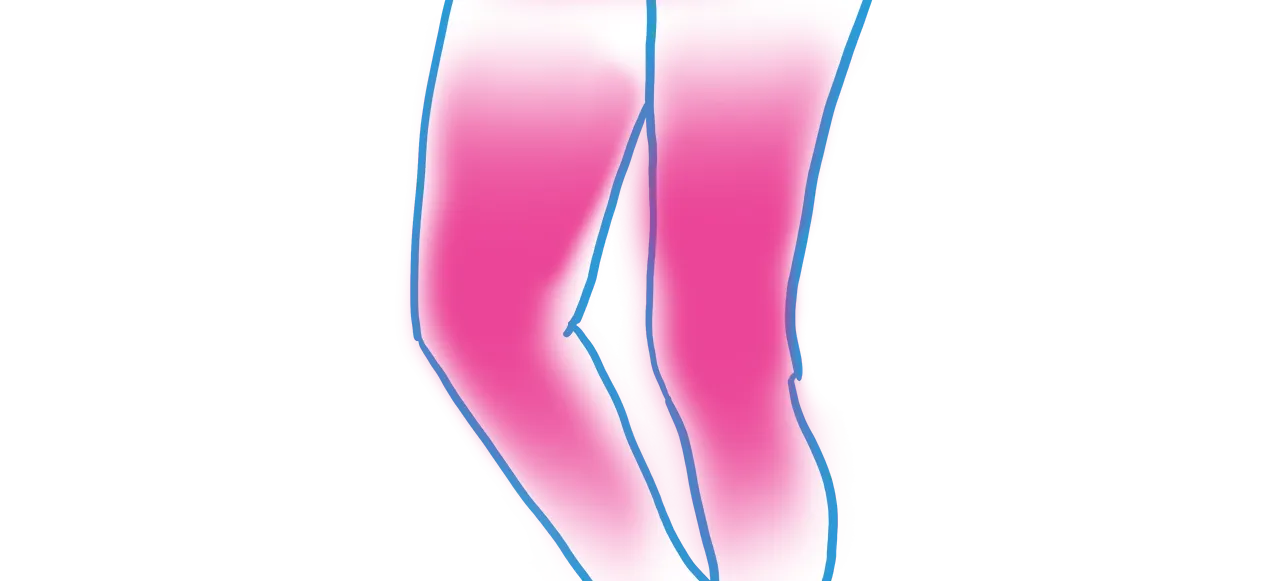
Orthostatic hypotension affects the body's cardiovascular and nervous systems by causing a sudden drop in blood pressure when standing up. This lack of adequate pressure prevents enough blood from reaching the brain and upper body, leading to symptoms like dizziness or fainting. The effects are systemic, involving blood pooling in the lower extremities and reduced oxygen delivery to vital organs.
- Causes dizziness, lightheadedness, and fainting upon standing
- Increases the risk of falls and related injuries
- May lead to fatigue and cognitive slowing due to reduced brain blood flow
Causes and Risk Factors
Causes
Orthostatic hypotension occurs when the body's cardiovascular or autonomic nervous system fails to counteract gravity when standing up. Normally, the body constricts blood vessels and increases heart rate to push blood upward; when this mechanism fails, blood pools in the legs and abdomen. Common underlying causes include dehydration (from low fluid intake, vomiting, or diuretics), heart conditions (such as heart valve problems, heart failure, or slow heart rate), and endocrine disorders like diabetes or thyroid issues. Nervous system disorders, including Parkinson's disease and multiple system atrophy, can also disrupt the blood pressure regulation signals. Certain medications, especially those for high blood pressure, heart disease, and depression, are frequent contributors.
Risk Factors and Triggers
Age is a primary risk factor, as the baroreceptors that regulate blood pressure become less sensitive over time. Other significant risk factors include prolonged bed rest, pregnancy, and alcohol consumption. Symptoms are often triggered or worsened by hot environments, eating large meals (which diverts blood to the digestive system), and strenuous exercise. Standing still for long periods can also precipitate an episode.
Prevention
Prevention focuses on maintaining blood volume and avoiding triggers. Primary strategies include staying well-hydrated, especially in hot weather or during illness, and limiting alcohol intake. To reduce flare-ups, individuals should stand up slowly, pausing for a moment before rising fully. Wearing compression stockings can help prevent blood from pooling in the legs. Avoiding large, carbohydrate-heavy meals and sleeping with the head of the bed slightly elevated may also reduce the severity of symptoms.

Diagnosis, Signs, and Symptoms
Signs and Symptoms
The hallmark symptom of orthostatic hypotension is feeling dizzy or lightheaded immediately after standing up. This sensation usually passes within a few minutes of sitting or lying back down. Other common symptoms include blurred or tunnel vision, weakness, fatigue, confusion, and nausea. Some patients experience "coat hanger" pain, which is an ache in the back of the neck and shoulders caused by low blood flow to the muscles. In severe cases, the drop in blood pressure leads to fainting (syncope), which carries a risk of injury from falling.
Diagnosis
Clinicians diagnose this condition by measuring blood pressure while the patient is lying down, sitting, and then standing; a drop of 20 mmHg in systolic pressure (the top number) or 10 mmHg in diastolic pressure (the bottom number) within three minutes of standing confirms the diagnosis. A tilt table test may be used if the bedside test is inconclusive. Blood tests are often conducted to check for anemia, dehydration, or diabetes. An electrocardiogram (ECG) or heart monitoring may be ordered to rule out heart rhythm problems.
Differential Diagnosis
Doctors must distinguish orthostatic hypotension from other causes of dizziness and fainting. This includes vertigo (an inner ear issue), vasovagal syncope (fainting triggered by emotional stress or pain), and heart arrhythmias. It is also distinct from postprandial hypotension, which is low blood pressure specifically after eating, although the two conditions often coexist.
Treatment and Management
Lifestyle and Self-Care
The first line of treatment involves non-medical strategies to stabilize blood pressure. Patients are often advised to drink more water to increase blood volume and, if cleared by a doctor, to increase salt intake. Physical maneuvers can help; crossing legs while standing or squeezing leg and buttock muscles can force blood back up to the heart. Rising slowly from a seated or lying position allows the body time to adjust. Wearing waist-high compression stockings or an abdominal binder can effectively reduce blood pooling in the lower body.
Medical Treatments
When lifestyle changes are insufficient, medications may be prescribed to address the underlying mechanics. Fludrocortisone helps the body retain fluid and salt, boosting blood volume. Midodrine works by constricting blood vessels to raise blood pressure. Droxidopa is another option used specifically for neurogenic orthostatic hypotension. Doctors will also review and potentially adjust any existing medications that might be lowering blood pressure too much, such as diuretics or antihypertensives.
When to See a Doctor
You should seek medical advice if you experience frequent dizziness, if you faint, or if symptoms interfere with your daily activities. Immediate emergency care is needed if you fall and injure yourself, if you have chest pain, or if you experience symptoms of a stroke (such as facial drooping or slurred speech). Routine follow-up is important to monitor blood pressure and adjust treatments, especially if you have chronic conditions like diabetes or heart disease.

Severity and Prognosis
Severity and Complications
Orthostatic hypotension can range from mild, occasional dizziness to a severe, disabling condition that prevents a person from standing safely. The most immediate risk is falling, which can lead to bone fractures or head trauma. Repeated episodes of low blood pressure can also put stress on the heart and brain. In older adults, severe fluctuations in blood pressure are associated with a higher risk of stroke and cognitive decline over time due to inconsistent blood flow to the brain.
Duration and Disease Course
For some, the condition is acute and reversible, such as when caused by dehydration or a specific medication that can be stopped. In these cases, the prognosis is excellent once the cause is addressed. For others, particularly those with nervous system disorders like Parkinson's or autonomic failure, the condition is chronic and progressive. In these chronic cases, the goal is management rather than a cure, aiming to minimize symptoms and prevent falls.
Prognosis
Life expectancy is generally determined by the underlying cause rather than the low blood pressure itself. However, the condition is a marker of frailty in older adults and is statistically associated with higher rates of cardiovascular events. Early diagnosis and consistent management significantly improve the quality of life and reduce the risk of serious complications like hip fractures from falls.
Impact on Daily Life
Impact on Activities
Living with orthostatic hypotension often requires planning daily movements carefully. Simple tasks like getting out of bed or standing up from a dinner table can become challenges that require pause and attention. People may feel the need to limit physical activities or avoid social situations where they might have to stand for long periods, leading to isolation or reduced mobility. The fear of fainting in public or when alone can cause anxiety.
Coping Strategies
Practical adjustments make a big difference. Keeping a glass of water by the bed to drink before rising, sleeping with the head of the bed elevated, and scheduling activities for later in the day (since symptoms are often worse in the morning) are effective strategies. Shower chairs can prevent dizziness during bathing. Carrying a portable folding stool can provide security during outings.
Questions to Ask Your Healthcare Provider
- Are any of my current medications causing my symptoms?
- Is it safe for me to exercise, and what exercises do you recommend?
- How much salt and water should I consume each day?
- Should I wear compression stockings, and if so, what strength?
- What should I do if I feel like I am about to faint?

Common Questions and Answers
Q: Is orthostatic hypotension a disease itself?
A: It is usually considered a sign or symptom of an underlying issue—such as dehydration, heart problems, or nerve damage—rather than a standalone disease.
Q: Can drinking water really stop dizziness?
A: Yes, drinking two glasses of cold water rapidly can increase blood pressure for a short period, which helps reduce symptoms, especially before activity.
Q: Is it dangerous?
A: The main danger comes from fainting and falling, which can cause serious injuries like broken bones or concussions, especially in older adults.
Q: Why is it worse in the morning?
A: Blood pressure is naturally lower in the morning, and the body is often slightly dehydrated after sleeping, making symptoms more noticeable upon waking.
Q: Can I drive if I have this condition?
A: Most people can drive safely if their symptoms are well-managed, but you should discuss this with your doctor, especially if you have a history of fainting.