


Osteoporosis
At a Glance
 Osteoporosis is a systemic skeletal condition characterized by low bone mass and deterioration of bone tissue, leading to increased bone fragility and a higher risk of fractures.
 This condition is very common, particularly affecting individuals over the age of 50, with a significantly higher prevalence in postmenopausal women compared to men.
 Osteoporosis is a chronic and manageable condition that requires ongoing lifestyle adjustments and medical treatment to slow progression and prevent fractures.
 With early diagnosis and appropriate management, the outlook is generally positive, although the occurrence of hip or spine fractures can significantly impact independence and quality of life.









How It Affects You
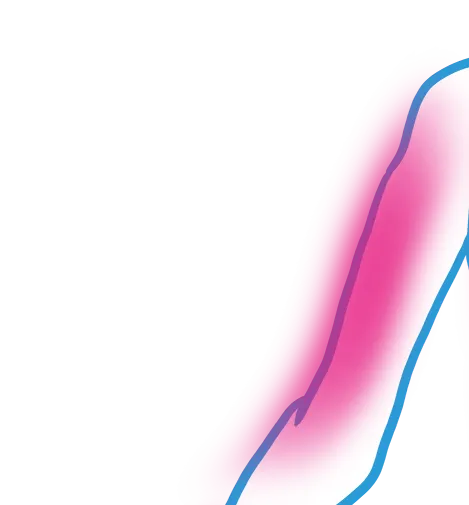
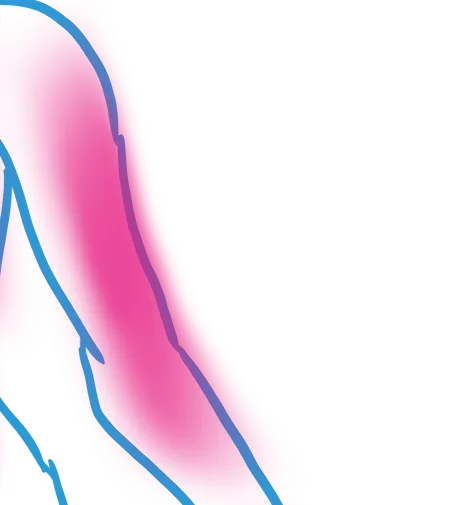
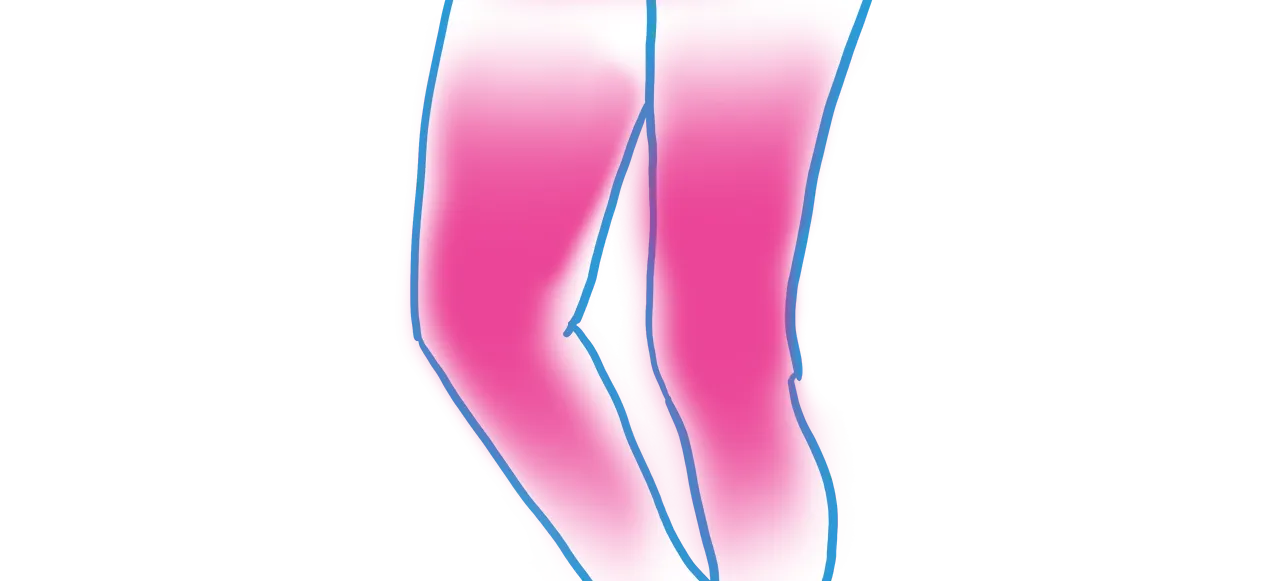
Osteoporosis, which literally means porous bone, is a disease that weakens the structure of the skeleton, making bones fragile and more likely to break. While it affects the entire skeletal system, the impact is often most severe in the hips, spine, and wrists, where fractures are most likely to occur. The condition progresses silently, causing bone tissue to become less dense and altering the micro-architecture of the bone. Significant effects on the body include:
- Increased susceptibility to fractures from minor falls or even normal stresses like bending or coughing.
- Gradual loss of height and the development of a stooped posture due to the compression of vertebrae in the spine.
- Chronic pain and reduced mobility resulting from structural changes and broken bones.
Causes and Risk Factors
Causes and Mechanisms
Osteoporosis occurs when the creation of new bone does not keep up with the loss of old bone. Throughout life, bone is constantly being renewed, but as people age, bone mass is lost faster than it is created. The underlying mechanism involves an imbalance between osteoclasts, cells that break down bone, and osteoblasts, cells that build bone. Several factors contribute to this imbalance, including hormonal changes such as the drop in estrogen after menopause in women or low testosterone levels in men. Genetic predisposition plays a significant role, meaning a family history of the disease increases risk.
Risk Factors
Certain factors increase the likelihood of developing osteoporosis. These include aging, being female, having a small body frame, and family history. Race also plays a role, with white and Asian individuals being at higher risk. Lifestyle choices such as a sedentary routine, excessive alcohol consumption, and tobacco use contribute to bone weakness. Dietary factors are critical; a lifelong lack of calcium and eating disorders that restrict food intake can weaken bones. Additionally, long-term use of corticosteroid medications and certain medical conditions like celiac disease, inflammatory bowel disease, or rheumatoid arthritis can interfere with the body's ability to absorb calcium or rebuild bone.
Prevention Strategies
Primary prevention focuses on building strong bones during childhood and adolescence and maintaining them in adulthood. This involves ensuring adequate intake of calcium and vitamin D through diet or supplements. Regular weight-bearing exercises, such as walking, jogging, or dancing, and strength training help strengthen bones and muscles. Avoiding smoking and limiting alcohol intake are also crucial preventive measures. For those already diagnosed or at high risk, strategies to prevent worsening include fall prevention measures in the home, such as securing rugs and installing grab bars, to reduce the risk of fractures.

Diagnosis, Signs, and Symptoms
Signs and Symptoms
Osteoporosis is often called a silent disease because typically there are no symptoms in the early stages of bone loss. Many people do not know they have the condition until they sustain a fracture. As the bones become weakened, signs may eventually emerge. Common indicators include back pain, caused by a fractured or collapsed vertebra, and a gradual loss of height over time. A stooped posture, often referred to as a dowager's hump, may develop. The most distinct sign is a bone fracture that occurs much more easily than expected, such as from a minor fall or bending over.
Diagnostic Tools
Clinicians identify osteoporosis primarily through bone density testing. The most common and accurate test is central dual-energy x-ray absorptiometry, also known as a DXA or DEXA scan. This painless test measures bone density at the hip and spine. The results are reported as a T-score, which compares a patient's bone density to that of a healthy young adult. A T-score of -2.5 or lower indicates osteoporosis, while a score between -1.0 and -2.5 indicates osteopenia, a precursor to the condition. Doctors may also use fracture risk assessment tools to estimate the probability of breaking a bone in the next ten years. Blood and urine tests might be conducted to rule out other medical conditions causing bone loss.
Differential Diagnosis
When diagnosing osteoporosis, doctors differentiate it from other conditions that cause bone weakness or pain. These include osteomalacia, which is the softening of bones often due to severe vitamin D deficiency, and multiple myeloma, a cancer of plasma cells that can cause bone lesions. Hyperparathyroidism and bone metastasis from other cancers are also considered during the evaluation process to ensure the correct underlying cause is treated.
Treatment and Management
Medications
Treatment for osteoporosis focuses on slowing or stopping bone loss and preventing fractures. Bisphosphonates are the most common medications prescribed; they work by inhibiting the cells that break down bone. For postmenopausal women, hormone-related therapy may be an option, although it carries other risks. Denosumab is another medication used to reduce the risk of fractures by blocking bone breakdown. In severe cases, bone-building medications such as teriparatide or abaloparatide may be prescribed to stimulate new bone growth. The choice of medication depends on the severity of bone loss and individual health factors.
Lifestyle and Self-Care
Management extends beyond medication to include critical lifestyle changes. A diet rich in calcium and vitamin D is essential for bone health. Good sources include dairy products, leafy green vegetables, and fortified foods. Regular physical activity, particularly weight-bearing and resistance exercises, helps maintain bone density and improves balance, reducing the risk of falls. Quitting smoking and moderating alcohol consumption are also advised to support bone health.
When to See a Doctor
Routine screening is recommended for women over age 65 and men over age 70, or sooner if risk factors are present. You should see a doctor if you experience early menopause or took corticosteroids for several months at a time. Seek medical attention if you notice a loss of height or develop a curved spine. Emergency care is needed if you experience sudden, severe pain in the back, hip, or wrist, especially after a fall, as this could indicate a fracture.

Severity and Prognosis
Severity and Course
Osteoporosis varies from mild bone thinning to severe cases where bones break from minimal stress. Without treatment, the condition is progressive and chronic. The disease course typically involves a gradual decline in bone density over many years. However, with modern treatments, this progression can be slowed or even halted. The condition itself is not fatal, but its complications can be serious. Remission in the traditional sense does not occur, but stability in bone density is a primary goal of therapy.
Complications
The most serious complications are bone fractures, particularly in the spine or hip. Hip fractures are especially concerning in older adults as they often require surgery and can lead to a loss of independence or prolonged disability. Vertebral compression fractures can occur without a fall and may result in severe back pain, loss of height, and deformity. These fractures can limit mobility and increase the risk of other health issues related to inactivity, such as pneumonia or blood clots.
Prognosis and Outlook
Life expectancy is generally not directly affected by osteoporosis itself, but mortality rates are higher in the year following a hip fracture due to complications from surgery and immobility. Factors influencing prognosis include the initial bone density at diagnosis, age, and adherence to treatment plans. Early diagnosis and consistent management significantly improve the likelihood of maintaining an active, independent lifestyle and preventing debilitating fractures.
Impact on Daily Life
Daily Activities and Coping
Living with osteoporosis often requires adjustments to daily routines to minimize fall risks. This might involve removing tripping hazards at home, wearing low-heeled shoes with non-slip soles, and being mindful of body mechanics when lifting objects. Fear of falling can lead some individuals to restrict their activities, which can ironically lead to isolation and further physical decline. Maintaining social connections and finding safe ways to stay active are vital for mental and emotional health. Support groups can offer encouragement and practical tips from others managing the same condition.
Questions to Ask Your Healthcare Provider
Being prepared for appointments helps ensure you get the best care. Consider asking the following questions:
- What is my current T-score and what does it mean for my fracture risk?
- Are there specific exercises I should do or avoid to protect my bones?
- Do I need to take calcium and vitamin D supplements, and if so, how much?
- What are the potential side effects of the medication you are prescribing?
- How often should I have a bone density scan to monitor my progress?
- Are there fall prevention strategies I should implement at home?

Common Questions and Answers
Q: Can osteoporosis be reversed?
A: While you typically cannot completely reverse osteoporosis to restore normal bone density, treatment can significantly improve bone strength, increase density to some degree, and stop the condition from getting worse.
Q: Is osteoporosis painful?
A: Osteoporosis itself is not painful. Pain only occurs when the condition leads to a broken bone or a collapsed vertebra. Many people have the condition for years without feeling any discomfort.
Q: Does osteoporosis only affect women?
A: No, while it is more common in women due to menopause, men can also develop osteoporosis, particularly as they age or if they have certain risk factors like low testosterone or corticosteroid use.
Q: At what age should I start worrying about osteoporosis?
A: Bone health is important at every age, but screening typically begins at age 65 for women and 70 for men. However, if you have risk factors or a history of fractures, you should discuss screening with your doctor sooner.
Q: Are dairy products the only way to get enough calcium?
A: No, besides dairy, you can get calcium from dark leafy greens like kale and spinach, sardines with bones, fortified plant-based milks, tofu, and almonds. Supplements are also an option if diet alone is insufficient.