



Raynaud's phenomenon
At a Glance
 Raynaud's phenomenon is a disorder of the blood vessels that causes the fingers and toes to feel cold and numb and change color in response to cold temperatures or stress due to temporary narrowing of the arteries.
 Primary Raynaud's is a common condition that typically begins between the ages of 15 and 30 and affects women more often than men, whereas secondary Raynaud's usually onsets after age 40.
 It is typically a chronic but manageable condition, with the primary form requiring lifestyle adjustments and the secondary form potentially requiring medical treatment for underlying causes.
 The outlook for primary Raynaud's is excellent with no effect on life expectancy, while the prognosis for secondary Raynaud's depends on the severity of the associated underlying condition.







How It Affects You
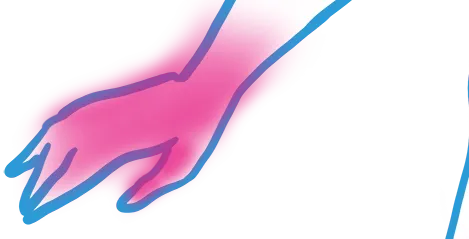
Raynaud's phenomenon is a condition characterized by episodes of restricted blood flow to specific parts of the body, caused by the narrowing of small arteries (vasospasms) in response to cold temperatures or emotional stress. This reaction primarily impacts the extremities, leading to noticeable color changes and physical sensations.
- The fingers and toes are most commonly affected, turning pale or white due to lack of blood flow, then blue as oxygen is depleted, and finally red as circulation returns.
- Less frequently, the condition can affect the nose, ears, lips, and nipples, causing similar sensations of numbness, coldness, or stinging.
- Attacks are temporary and episodic, typically resolving once the body is warmed or the stressor is removed, though the rewarming process can be accompanied by throbbing or swelling.
Causes and Risk Factors
Underlying Causes and Mechanisms
Raynaud's phenomenon is caused by vasospasms, which are sudden, temporary constrictions of the small arteries that supply blood to the skin. In people with this condition, these vessels overreact to cold temperatures or emotional stress, drastically reducing blood flow to the affected areas. There are two distinct types: Primary Raynaud's (Raynaud's disease) and Secondary Raynaud's (Raynaud's phenomenon). Primary Raynaud's has no identifiable medical cause and is likely due to hereditary or constitutional factors involving vascular sensitivity. Secondary Raynaud's is caused by an underlying problem, most commonly connective tissue diseases such as scleroderma, lupus, rheumatoid arthritis, or Sjögren's syndrome. Other causes include arterial diseases, carpal tunnel syndrome, repetitive action or vibration injury (such as using jackhammers), and smoking.
Risk Factors and Triggers
Several factors increase the likelihood of developing the condition. Sex is a major risk factor, as the condition is significantly more common in women. Age also differentiates the types; the primary form typically appears between ages 15 and 30, while the secondary form often presents later in life. Living in a colder climate increases the frequency of attacks. Family history plays a role in the primary form, suggesting a genetic component. Specific triggers for an attack include exposure to cold air or water, such as reaching into a freezer, and emotional stress or anxiety, which triggers the body's fight-or-flight response and constricts blood vessels.
Prevention Strategies
Primary prevention focuses on avoiding triggers to stop attacks before they start. This involves keeping the entire body warm, not just the hands and feet, by dressing in layers and wearing a hat in cold weather. Avoiding sudden temperature changes, such as entering an air-conditioned room, can help. For secondary Raynaud's, prevention also involves managing the underlying condition. Reducing the severity of attacks involves lifestyle changes such as quitting smoking, as nicotine constricts blood vessels, and avoiding medications that narrow arteries, such as certain beta-blockers or migraine medications, if advised by a doctor. Regular exercise can also improve general circulation.

Diagnosis, Signs, and Symptoms
Signs and Symptoms
The hallmark symptom of Raynaud's phenomenon is a distinct color change in the affected area, usually the fingers or toes, in response to cold or stress. This often follows a three-phase pattern: the skin turns white (pallor) as blood flow is blocked, then blue (cyanosis) as oxygen remains low, and finally red (rubor) as blood flow returns. Not everyone experiences all three colors. During the attack, the affected area feels cold and numb. As circulation is restored (rewarming), patients often experience throbbing, tingling, stinging, or swelling. While the hands and feet are the primary targets, the condition can also affect the nose, lips, ears, and nipples. Symptoms of primary Raynaud's are generally milder, while secondary Raynaud's can lead to more severe skin changes, including ulcers or sores on the fingertips.
Diagnostic Process
Clinicians diagnose Raynaud's primarily through a medical history and physical exam, often by asking about symptoms during cold exposure. A specific technique called nailfold capillaroscopy is used to distinguish between primary and secondary forms; the doctor examines the skin at the base of the fingernail under a microscope to look for abnormal or enlarged blood vessels, which indicate a secondary cause. Blood tests are frequently ordered to rule out autoimmune conditions. These may include an antinuclear antibody (ANA) test and the erythrocyte sedimentation rate (ESR). If these tests are normal, it supports a diagnosis of primary Raynaud's.
Treatment and Management
Lifestyle and Self-Care
For most cases, especially primary Raynaud's, lifestyle modifications are the first line of defense. Keeping the body warm is essential; this includes wearing heavy socks, using hand warmers, and wearing mittens (which are warmer than gloves) in cold weather. Patients are advised to protect their hands when taking food out of the freezer or holding cold drinks. Quitting smoking is crucial because nicotine constricts blood vessels and worsens the condition. Managing stress through relaxation techniques can also reduce the frequency of attacks triggered by emotional factors.
Medications and Medical Interventions
When lifestyle changes are insufficient, doctors may prescribe medication to widen blood vessels and promote circulation. Calcium channel blockers, such as nifedipine or amlodipine, are the most common treatments. These drugs relax the smaller arteries in the hands and feet, reducing the severity and frequency of attacks. Other options include vasodilators or topical nitroglycerin cream. In severe cases of secondary Raynaud's where tissue damage is a risk, procedures such as a sympathectomy (surgery to cut nerves that control vessel constriction) or chemical injections may be considered to interrupt the nerve signals causing the spasms.
When to Seek Medical Care
It is important to see a doctor if you have a history of Raynaud's and notice a sore or ulcer on your fingers or toes that does not heal, or if you suspect an infection. Emergency care is rarely needed but is appropriate if the affected area turns black or if severe pain persists despite warming. Routine follow-up is recommended if symptoms worsen, become asymmetric (affecting one hand more than the other), or if you develop new symptoms like joint pain or skin rashes, as these may indicate the development of a secondary autoimmune condition.

Severity and Prognosis
Severity and Disease Course
The severity of Raynaud's phenomenon varies significantly depending on whether it is primary or secondary. Primary Raynaud's is generally mild and constitutes a nuisance rather than a serious health threat. It often does not progress and may even improve with age. Secondary Raynaud's tends to be more complex and severe because it is linked to autoimmune diseases like scleroderma or lupus. Attacks in secondary Raynaud's can be more intense and frequent, potentially leading to long-term complications due to chronic lack of blood flow.
Complications and Long-Term Effects
For the vast majority of people with primary Raynaud's, there are no long-term complications or tissue damage. However, severe cases of secondary Raynaud's can lead to skin ulcers (open sores) on the fingertips or toes that are difficult to heal. In rare and extreme cases, prolonged loss of blood circulation can cause gangrene (tissue death), which may require amputation of the affected digit. Early diagnosis and management of the underlying condition are key to preventing these complications.
Prognosis
The prognosis for primary Raynaud's is excellent; it does not affect life expectancy or internal organs. Patients can lead normal, active lives with simple precautions. The prognosis for secondary Raynaud's is tied to the underlying disease. While the Raynaud's symptoms themselves can be managed, the associated connective tissue disorders may carry their own health risks. Consistent monitoring allows for adjustments in treatment to protect tissue health.
Impact on Daily Life
Impact on Daily Activities
Living with Raynaud's requires constant awareness of temperature and stress triggers. Simple tasks like grocery shopping in the frozen food aisle, holding a cold steering wheel, or typing in a cool office can trigger a painful attack. Patients often adopt practical coping strategies, such as keeping gloves in their car, using insulated cups for cold beverages, and pre-warming their vehicle in winter. Socially, people may feel self-conscious about the color changes in their hands or the need to wear gloves indoors, but these limitations are rarely disabling.
Questions to Ask Your Healthcare Provider
- Do I have primary or secondary Raynaud's, and how can we tell?
- Are there any medications I am currently taking that could be making my symptoms worse?
- What specific signs of infection or tissue damage should I look for on my hands and feet?
- Would I benefit from a prescription medication, and what are the potential side effects?
- Are there specific types of gloves or hand warmers you recommend?

Common Questions and Answers
Q: Is Raynaud's phenomenon dangerous?
A: Primary Raynaud's is generally not dangerous and does not cause permanent damage. Secondary Raynaud's can be more serious because it poses a risk of skin ulcers and tissue damage if not managed properly.
Q: Can Raynaud's phenomenon be cured?
A: There is currently no cure for Raynaud's phenomenon, but it can be effectively managed. For many people with the primary form, symptoms may diminish or disappear over time.
Q: Does exercise help with Raynaud's?
A: Yes, regular exercise generally improves overall circulation and can help reduce the frequency of attacks, provided you dress warmly and avoid exercising in freezing temperatures.
Q: Why do my hands hurt when they warm up?
A: The pain, throbbing, or stinging sensation occurs because blood is rushing back into the small vessels that were previously constricted. This is a normal part of the rewarming process.
Q: Can I still live in a cold climate?
A: Yes, many people with Raynaud's live in cold climates. It requires extra diligence in dressing warmly, layering clothing, and limiting direct exposure to extreme cold.