



Rhabdomyolysis
At a Glance
 Rhabdomyolysis is a serious medical condition involving the breakdown of damaged muscle tissue, which releases muscle fiber contents into the bloodstream and can cause severe kidney damage.
 This condition can affect individuals of any age, though it is most often seen in adults engaged in intense physical training, manual laborers, or elderly individuals following falls, and it is considered a relatively uncommon but critical medical emergency.
 Rhabdomyolysis is typically an acute condition that is highly treatable and manageable if medical intervention occurs quickly.
 Most patients recover fully with prompt treatment, maintaining a normal life expectancy and quality of life, although untreated severe cases can result in permanent kidney failure.









How It Affects You
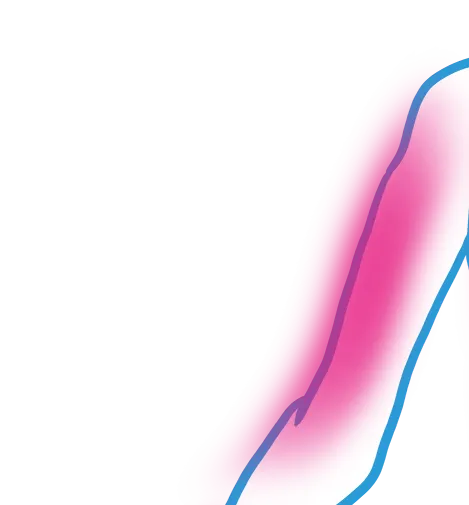
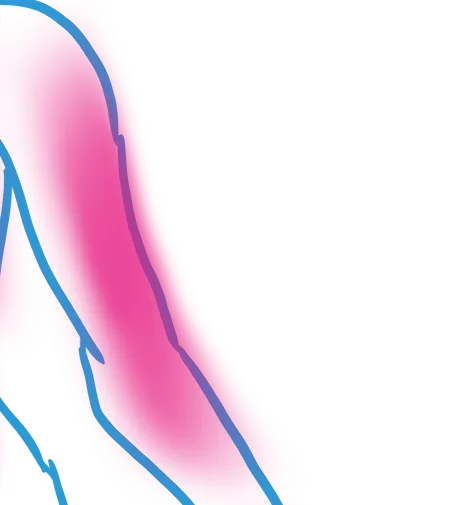
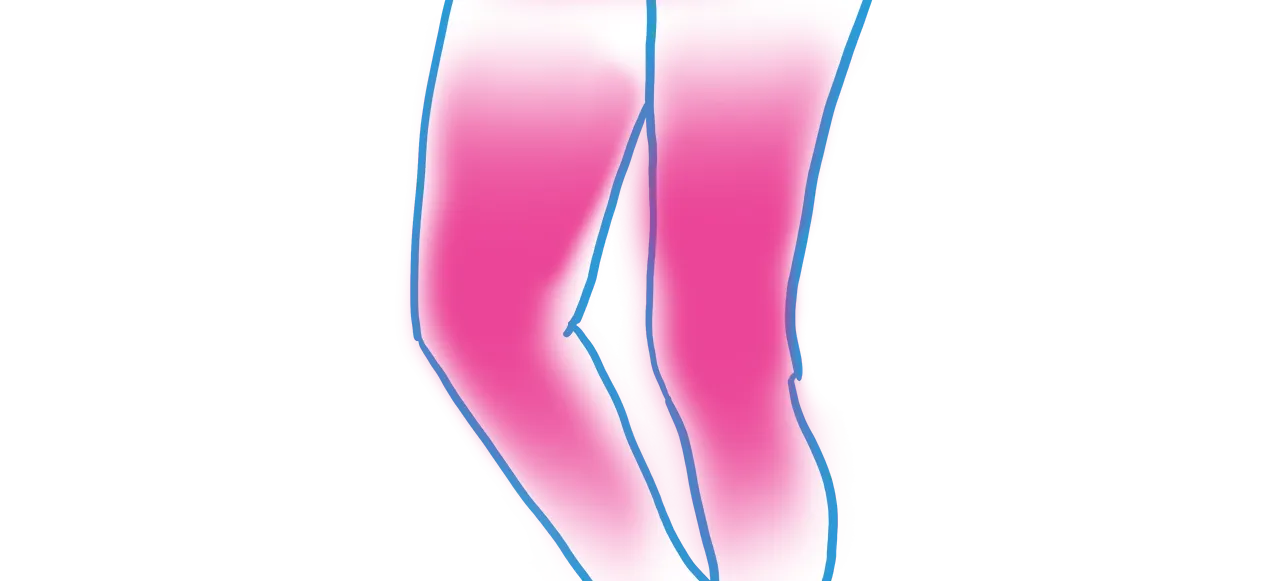
Rhabdomyolysis affects the body by causing the rapid breakdown of damaged skeletal muscle tissue. This process releases muscle fiber contents, including a protein called myoglobin, directly into the bloodstream. These substances can be toxic to the kidneys and disrupt the body's chemical balance. Key effects include:
- Kidney stress: The kidneys struggle to filter the excess myoglobin, which can lead to acute kidney injury or failure.
- Electrolyte imbalance: Damaged muscles release high levels of potassium and phosphorus, potentially affecting heart rhythm.
- Muscle loss: The affected muscle tissue weakens, swells, and becomes painful, limiting movement.
Causes and Risk Factors
Underlying Causes
Rhabdomyolysis occurs when muscle tissue is significantly damaged and breaks down. Causes are broadly categorized into traumatic, exertional, and non-traumatic factors. Traumatic causes include crush injuries from accidents (like car crashes or building collapses) or prolonged muscle compression from lying immobile on a hard surface for hours (often due to a fall or unconsciousness). Exertional causes involve extreme physical activity, especially in untrained individuals or high heat, often called "exertional rhabdomyolysis." Non-traumatic causes include severe burns, electric shocks, or venom from snake bites.
Risk Factors and Triggers
Various biological and environmental factors increase the risk of developing this condition. Certain medications, such as statins, antipsychotics, and some anesthetics, are known contributors. Recreational drugs like cocaine, amphetamines, and heroin can trigger muscle breakdown. Severe dehydration is a major risk factor as it concentrates urine and hampers the kidneys' ability to filter muscle proteins. Other triggers include metabolic disorders, untreated thyroid problems, and viral or bacterial infections like influenza.
Prevention Strategies
Primary prevention focuses on hydration and smart exercise habits. Drinking plenty of fluids during physical activity helps flush muscle byproducts from the body. Individuals starting new workout routines should increase intensity gradually and avoid sudden, extreme exertion in hot weather. Reviewing prescription medications with a healthcare provider can help identify potential drug interactions that increase risk. While accidents cannot always be predicted, wearing appropriate protective gear and ensuring safety in hazardous environments can reduce the likelihood of traumatic injury.

Diagnosis, Signs, and Symptoms
Signs and Symptoms
The classic presentation of rhabdomyolysis is known as the "triad" of symptoms: muscle pain, muscle weakness, and dark urine. However, these three do not always appear together. Symptoms vary based on the extent of muscle damage.
- Muscle pain: Intense aching, throbbing, or tenderness, typically in the shoulders, thighs, or lower back.
- Muscle weakness: Difficulty moving the affected limbs.
- Dark urine: Urine may look like tea, cola, or red wine due to the presence of myoglobin.
Diagnostic Tests
Clinicians identify rhabdomyolysis through physical exams and specific laboratory tests. A blood test for Creatine Kinase (CK), an enzyme found in skeletal muscle, is the primary diagnostic tool; levels in rhabdomyolysis are often five times higher than normal. Urine tests are performed to detect myoglobin, the protein that damages kidneys. Doctors also check electrolyte levels, specifically potassium and phosphorus, to monitor for dangerous imbalances that could affect the heart.
Treatment and Management
Medical Treatment
The primary goal of treatment is to protect the kidneys and correct electrolyte imbalances. Intravenous (IV) fluids are administered immediately to help flush myoglobin out of the system and maintain urine production. Medications such as bicarbonate may be added to the fluids to reduce the acidity of the urine. If potassium levels are dangerously high, specific drugs are given to normalize heart function. In severe cases where the kidneys have stopped working, temporary dialysis may be required to filter waste from the blood until kidney function recovers.
Management and Recovery
Once the acute phase is managed, treatment focuses on the underlying cause. If a medication triggered the condition, it is stopped or replaced. If exertion was the cause, rest and gradual rehabilitation are prescribed. Physical therapy may be necessary for patients who experienced significant muscle loss or nerve damage due to swelling.
When to Seek Medical Care
Rhabdomyolysis is a medical emergency. You should go to the emergency room immediately if you experience:
- Urine that is dark, red, or cola-colored.
- Severe muscle pain or weakness that seems disproportionate to your activity level.
- Muscle swelling or tenderness after a fall or injury.

Severity and Prognosis
Severity and Complications
The severity of rhabdomyolysis varies widely. Mild cases may involve only elevated blood enzymes without noticeable symptoms, while severe cases can lead to life-threatening multi-organ failure. The most significant complication is acute kidney injury (AKI), which occurs when myoglobin clogs the kidney's filtering tubes. Other serious complications include compartment syndrome (where muscle swelling cuts off blood flow, requiring surgery) and disseminated intravascular coagulation (a blood clotting disorder).
Prognosis and Long-Term Outlook
The prognosis is generally excellent if the condition is recognized and treated early. Most people regain full muscle strength and kidney function within a few weeks. However, if treatment is delayed, the risk of permanent kidney damage or death increases. Recovery time depends on the amount of muscle tissue destroyed; mild cases resolve in days, whereas severe cases may require months of recovery. Survival rates are high with modern medical care, but underlying factors like advanced age or other chronic diseases can influence the outcome.
Impact on Daily Life
Impact on Daily Activities
During recovery, patients often experience fatigue and reduced physical stamina. Returning to work or school usually requires a phased approach, especially for jobs involving manual labor. For athletes, returning to sport must be carefully managed to prevent recurrence; this involves starting with low-intensity activities and slowly increasing duration and load under medical guidance. Mental health support may be helpful for those recovering from traumatic injuries or adjusting to temporary physical limitations.
Questions to Ask Your Healthcare Provider
Patients can better manage their recovery by asking targeted questions during appointments:
- What triggered my rhabdomyolysis, and how can I prevent it from happening again?
- How much water should I drink daily to support my kidney health?
- Are there any over-the-counter medications or supplements I should avoid?
- When is it safe for me to return to exercise or lifting weights?
- Do I need to see a kidney specialist (nephrologist) for follow-up?

Common Questions and Answers
Q: Is rhabdomyolysis permanent?
A: Usually, it is not. With prompt treatment, most patients recover fully without permanent damage to muscles or kidneys. However, severe untreated cases can lead to chronic kidney disease.
Q: Can I get rhabdomyolysis from a gym workout?
A: Yes. This is often called "spin rhabdo" or exertional rhabdomyolysis. It can happen when you engage in intense, unfamiliar exercise that your muscles are not conditioned for, particularly in high heat.
Q: Why does my urine turn dark?
A: The dark color is caused by myoglobin, a red protein released from broken muscle cells. When it is filtered by the kidneys, it concentrates in the urine, turning it the color of tea or cola.
Q: Is rhabdomyolysis contagious?
A: No, it is not contagious. However, some viral infections that cause rhabdomyolysis (like the flu) can be spread to others.