


Stroke
At a Glance
 A stroke is a life-threatening medical condition involving a sudden disruption of blood flow to the brain that causes rapid cell death and neurological impairment throughout the body.
 Although stroke is a leading cause of serious disability that most commonly affects adults over the age of 65, it can occur at any age including in children and young adults.
 Stroke is an acute medical emergency that requires immediate intervention but often results in chronic health challenges that are manageable through long-term rehabilitation and secondary prevention.
 The outlook for stroke survivors varies widely based on the speed of initial treatment and the extent of brain damage, ranging from complete recovery to permanent disability or death.








How It Affects You
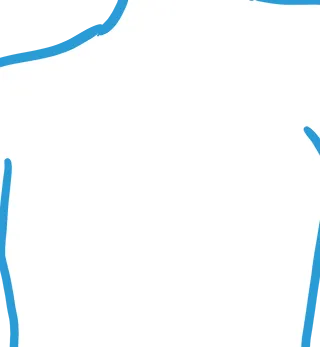
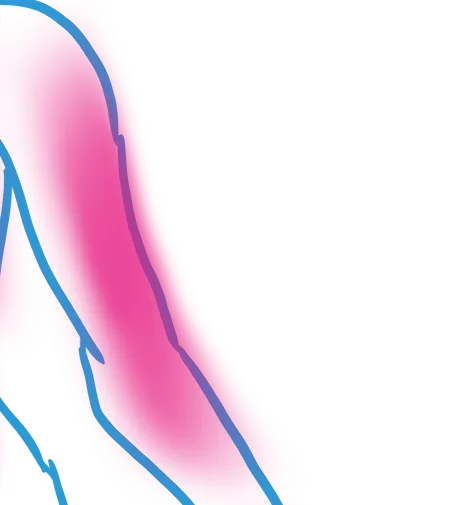
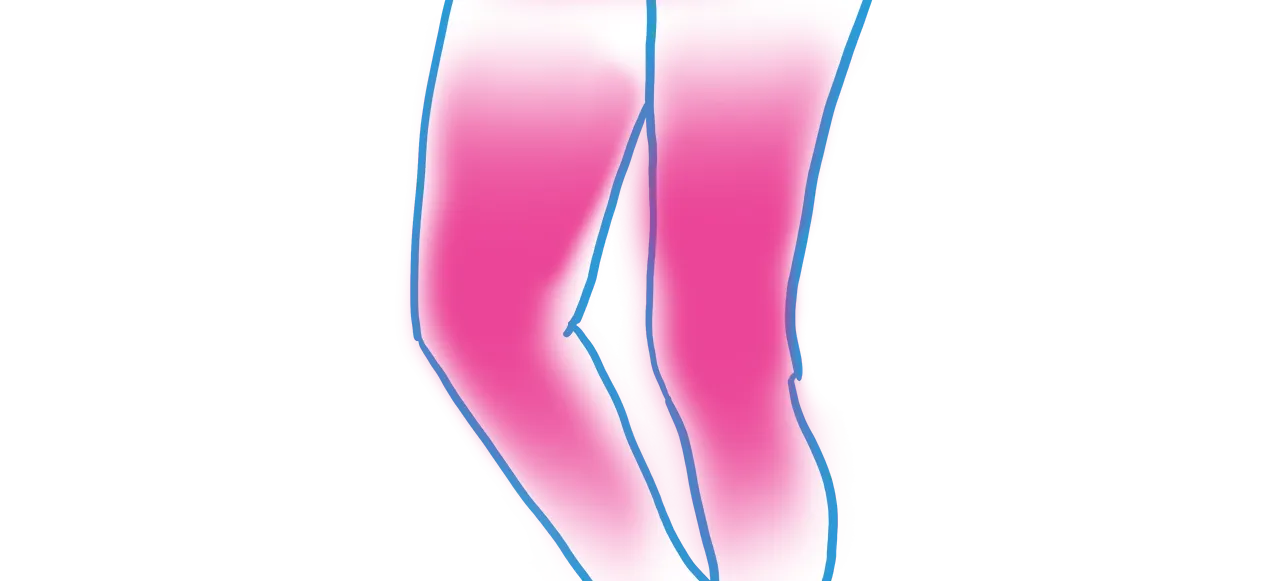
A stroke occurs when the blood supply to part of the brain is interrupted or reduced, depriving brain tissue of oxygen and nutrients. This sudden disruption causes brain cells to die within minutes, leading to a loss of function in the specific body parts controlled by that area of the brain. The physical effects often manifest on the side of the body opposite to where the brain damage occurred. Common physical effects include:
- Sudden numbness or weakness in the face, arm, or leg, especially on one side of the body.
- Confusion, trouble speaking, or difficulty understanding speech.
- Loss of balance, dizziness, or lack of coordination.
Causes and Risk Factors
Underlying Causes and Mechanisms
Strokes are primarily classified into two types based on their cause: ischemic and hemorrhagic. An ischemic stroke, which accounts for the vast majority of cases, occurs when a blood vessel supplying the brain becomes blocked by a blood clot (thrombus) or a particle that has traveled from elsewhere in the body (embolus). A hemorrhagic stroke happens when a blood vessel in the brain leaks or ruptures, causing bleeding into or around the brain tissue; this is often due to uncontrolled high blood pressure or aneurysms. A related condition called a transient ischemic attack (TIA) involves a temporary blockage of blood flow that does not cause permanent damage but serves as a serious warning sign.
Risk Factors and Triggers
Several factors significantly increase the likelihood of having a stroke. High blood pressure is the single most important modifiable risk factor. Other major contributors include cigarette smoking, diabetes, high cholesterol, and obesity. Heart conditions, specifically atrial fibrillation (an irregular heartbeat), significantly raise the risk of clots forming and traveling to the brain. Non-modifiable risk factors include age, family history, and personal history of prior strokes or heart attacks. Lifestyle choices such as physical inactivity, heavy alcohol consumption, and a diet high in salt and saturated fats also contribute to higher risk.
Prevention Strategies
Prevention focuses on managing risk factors to stop a first or subsequent stroke. Primary prevention involves lifestyle modifications such as eating a healthy diet rich in fruits and vegetables, maintaining a healthy weight, exercising regularly, quitting smoking, and limiting alcohol intake. Managing chronic conditions is crucial; this includes keeping blood pressure, blood sugar, and cholesterol levels within target ranges. For individuals with high risk, clinicians may prescribe medications to control blood pressure or thin the blood to prevent clots. Vaccines, such as the flu shot, may also help reduce stroke risk by preventing infection-related inflammation.

Diagnosis, Signs, and Symptoms
Clinically Meaningful Symptoms
The symptoms of a stroke typically appear suddenly and without warning. The most common signs are summarized by the acronym FAST: Face drooping (one side of the face may go numb or smile unevenly), Arm weakness (one arm may drift downward when raised), and Speech difficulty (speech may be slurred or strange). Other symptoms include sudden confusion, trouble seeing in one or both eyes, sudden trouble walking, dizziness, loss of balance, or a severe headache with no known cause. These symptoms can vary depending on which part of the brain is affected; for example, a stroke in the back of the brain may primarily affect vision and balance.
Diagnostic Tests and Tools
Clinicians must diagnose a stroke quickly to determine the appropriate treatment. The primary tool is a physical examination to check for mental alertness and coordination, followed immediately by brain imaging. A CT scan is commonly used to rule out bleeding (hemorrhagic stroke) and identify blocked arteries. An MRI may be performed to detect smaller changes in brain tissue. Additional tests often include a carotid ultrasound to check for narrowing of neck arteries, an echocardiogram to look for clots in the heart, and blood tests to check clotting time and blood sugar levels.
Differential Diagnosis
Several other conditions can mimic stroke symptoms, making accurate diagnosis essential. These include complex migraines, which can cause temporary aura or weakness; seizures, which may leave a person temporarily confused or weak; and hypoglycemia (low blood sugar), which can cause confusion and coordination problems. Bell's palsy is another condition that causes facial drooping but does not involve the other neurological signs of a stroke like confusion or limb weakness.
Treatment and Management
Emergency Medical Treatments
Treatment depends entirely on the type of stroke and how quickly the patient arrives at the hospital. For ischemic stroke, the gold standard is the administration of clot-busting drugs (like alteplase or tenecteplase) within a specific time window after symptom onset to dissolve the blockage and restore blood flow. In cases of large clots, a procedure called mechanical thrombectomy may be performed to physically remove the clot using a catheter threaded through the blood vessels. For hemorrhagic stroke, treatment focuses on controlling bleeding and reducing pressure in the brain, which may require surgical intervention to clip an aneurysm or remove pooled blood.
Rehabilitation and Long-Term Management
Once the acute phase is stabilized, management shifts to rehabilitation and preventing recurrence. Rehabilitation therapies include physical therapy to regain motor skills, occupational therapy to relearn daily tasks, and speech therapy to address communication or swallowing difficulties. Long-term management involves medications to lower blood pressure, lower cholesterol (statins), and prevent clots (antiplatelets or anticoagulants). Lifestyle changes adopted during recovery are critical for preventing a second stroke.
When to Seek Emergency Care
Time is critical in stroke care. You must call emergency services immediately if you or someone else experiences:
- Sudden numbness or weakness of the face, arm, or leg.
- Sudden confusion or trouble speaking.
- Sudden trouble seeing in one or both eyes.
- Sudden severe headache with no known cause.
Routine Follow-Up
After a stroke, regular follow-up appointments are necessary to monitor risk factors, adjust medications, and assess rehabilitation progress. Patients should contact their provider if they notice new symptoms, side effects from medications, or signs of depression.

Severity and Prognosis
Severity and Disease Course
Stroke severity is often measured using scales that assess consciousness, vision, sensation, movement, and language. Strokes can range from mild, leaving minor weakness or temporary speech issues, to severe, resulting in complete paralysis on one side of the body or coma. The disease course typically begins with an acute event followed by a period of rapid recovery in the first few months, which may plateau over time. While the brain has some ability to rewire itself (neuroplasticity), the extent of recovery depends largely on the location and size of the injury.
Complications can occur shortly after the stroke or develop over time. Immediate risks include brain swelling (edema), seizures, and pneumonia due to swallowing difficulties. Long-term effects may include spasticity (stiff muscles), chronic pain, loss of bladder or bowel control, and cognitive changes such as memory loss or difficulty solving problems. Emotional changes, including depression and anxiety, are also frequent complications that affect recovery.
Prognosis and Life Expectancy
Prognosis is highly individual; younger patients and those who receive rapid treatment generally have better outcomes. While many survivors regain independence, stroke remains a leading cause of long-term disability. A severe stroke can shorten life expectancy and increase the risk of future cardiovascular events. However, consistent adherence to secondary prevention strategies significantly improves the long-term outlook and reduces the risk of recurrence.
Impact on Daily Life
Impact on Activities and Function
A stroke can fundamentally change how a person navigates daily life. Physical impairments may require the use of walking aids, wheelchairs, or modifications to the home such as grab bars and ramps. Daily tasks like dressing, bathing, and cooking may take longer or require assistance. Driving is often restricted until a medical professional deems it safe. Speech and language impairments (aphasia) can make social interactions challenging, requiring patience and new communication strategies from both the survivor and their loved ones.
Mental and Emotional Health
The emotional toll of a stroke is significant. Survivors may experience grief over the loss of their former abilities, leading to depression or isolation. Some may experience pseudobulbar affect, a condition causing uncontrollable laughing or crying that does not match their actual emotions. Support from family, friends, and support groups is vital for emotional recovery. Professional counseling can also help survivors and caregivers navigate these changes.
Questions to Ask Your Healthcare Provider
To better understand the condition and recovery path, patients should consider asking the following questions:
- What type of stroke did I have and what was the cause?
- What specific risk factors do I need to manage to prevent another stroke?
- Am I eligible for any specific rehabilitation programs?
- When will it be safe for me to drive or return to work?
- What signs of complications should I look out for?
- Are there local support groups for stroke survivors and caregivers?

Common Questions and Answers
Q: What is the difference between a stroke and a TIA?
A: A TIA, or transient ischemic attack, is often called a mini-stroke. It produces the same symptoms as a stroke but the blockage is temporary, and the symptoms disappear typically within minutes to 24 hours without causing permanent brain damage. However, a TIA is a major warning sign that a full stroke may happen soon.
Q: Can young people have a stroke?
A: Yes, while strokes are more common in older adults, they can happen to infants, children, and young adults. In younger people, causes may differ and can include congenital heart defects, blood clotting disorders, or tears in the neck arteries.
Q: Is stroke recovery possible years after the event?
A: Yes, while the most rapid recovery usually happens in the first few months, many survivors continue to make improvements in speech, mobility, and function for years afterward with dedicated rehabilitation and practice.
Q: Are strokes hereditary?
A: Genetics can play a role. If your parents or close relatives have had a stroke, your risk may be higher. This is often because risk factors like high blood pressure, diabetes, and heart disease can run in families.
Q: How can I tell if someone is having a stroke?
A: Use the FAST test: Face (ask them to smile, check for droop), Arms (ask them to raise both arms, check if one drifts), Speech (ask them to repeat a phrase, check for slurring), and Time (call emergency services immediately if you see any of these signs).