


Tenosynovial giant cell tumor
At a Glance
 Tenosynovial giant cell tumor is a rare, typically non-cancerous growth that develops in the lining of joints, bursae, and tendon sheaths, causing swelling, pain, and stiffness in the affected area.
 This condition is rare and can affect people of any age, though it is most frequently diagnosed in adults between the ages of 30 and 50.
 It is a chronic and treatable condition that often requires surgical intervention to manage, although recurrence is common particularly in the diffuse form.
 While the condition is not life-threatening and has a normal life expectancy, the outlook varies by type, with the diffuse form often posing challenges due to high recurrence rates and potential long-term joint damage.




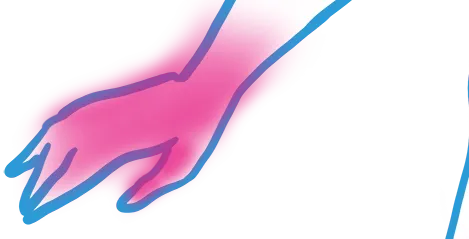

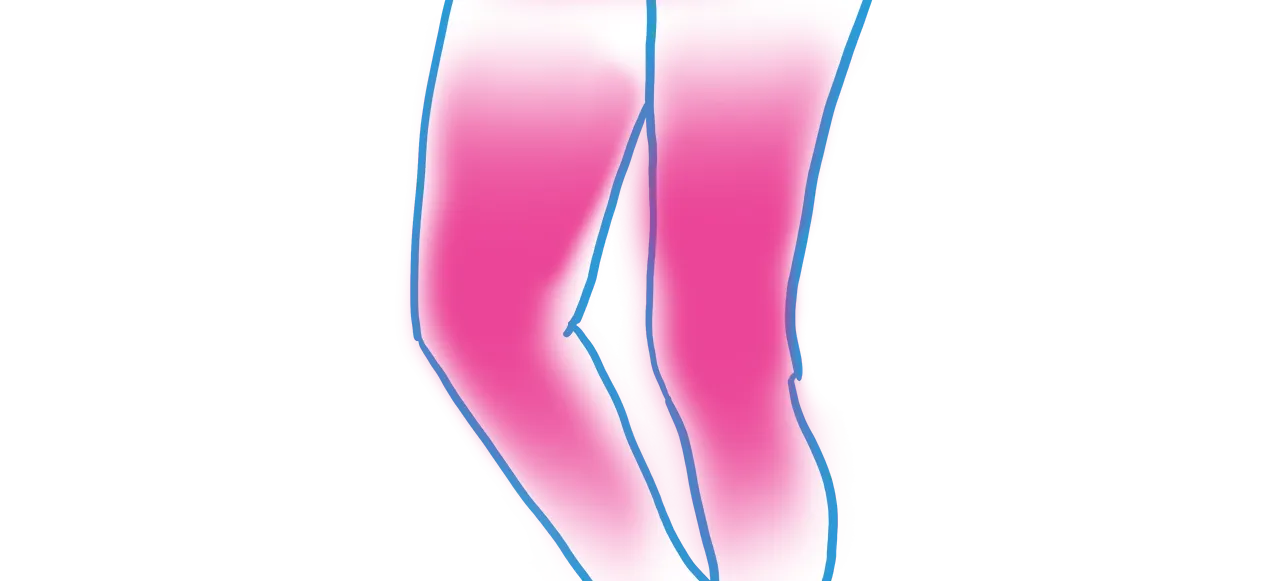

How It Affects You
Tenosynovial giant cell tumor primarily affects the thin layer of tissue, known as the synovium, that lines joints and tendons. This condition causes this tissue to thicken and overgrow, forming tumors that can crowd the joint space and erode surrounding structures. The physical impact on the body typically involves:
- Swelling and palpable lumps around the affected joint or tendon.
- Pain, stiffness, and a reduced range of motion that can limit daily activities.
- Potential damage to cartilage and bone, leading to joint instability or arthritis over time.
Causes and Risk Factors
Underlying Biological Mechanisms
Tenosynovial giant cell tumor is caused by a specific genetic alteration within the cells of the joint lining. This change usually involves a translocation, where pieces of genetic material swap places between chromosomes. This mutation causes the cells to overproduce a protein called colony-stimulating factor 1 (CSF1). The excess protein attracts other cells, such as white blood cells and giant cells, to the area. These accumulating cells form the tumor mass and cause inflammation. The condition is not inherited and is not passed down from parents to children.
Risk Factors and Prevention
Currently, there are no known environmental, lifestyle, or dietary risk factors associated with the development of this condition. It occurs sporadically, meaning it happens by chance. Since the cause is a random genetic mutation within specific cells, there are no established methods for primary prevention. Strategies focused on preventing severe joint damage rely on early detection and timely treatment rather than avoiding specific triggers.

Diagnosis, Signs, and Symptoms
Signs and Symptoms
Symptoms can develop slowly and vary depending on whether the tumor is localized or diffuse. The localized form, often found in fingers and toes, typically presents as a painless, slow-growing lump that may eventually cause discomfort or difficulty moving the digit. The diffuse form, which usually affects larger joints like the knee, hip, or ankle, often causes more generalized symptoms. Common signs include:
- Persistent swelling or fullness in the joint.
- Pain or aching that may worsen with activity.
- Stiffness and reduced range of motion.
- A sensation of the joint locking, catching, or giving way.
- Warmth or tenderness over the affected area.
Diagnosis and Testing
Clinicians use a combination of physical examinations and imaging to identify the condition. A doctor will check the joint for swelling, tenderness, and range of motion. Imaging tests are crucial for diagnosis. X-rays may show swelling or damage to the bone, while Magnetic Resonance Imaging (MRI) is the standard tool used to visualize the extent of the tumor and distinguish it from other conditions. In some cases, a biopsy is performed where a small tissue sample is taken and examined under a microscope to confirm the presence of giant cells and characteristic cellular patterns. The differential diagnosis often includes checking for rheumatoid arthritis, osteoarthritis, or other soft tissue masses.
Treatment and Management
Surgical Procedures
Surgery is the primary treatment for tenosynovial giant cell tumor. The goal is to remove as much of the tumor and affected tissue as possible, a procedure known as a synovectomy. For localized tumors, this is often a straightforward excision with a lower risk of coming back. For the diffuse form, the surgery may be more complex, requiring either an open procedure or an arthroscopic approach to reach all affected areas of the joint lining. In severe cases where the joint is significantly damaged, joint replacement surgery might be considered.
Medications and Targeted Therapy
For patients with severe forms of the condition that cannot be surgically removed without causing significant disability, medication may be an option. Targeted therapies known as CSF1R inhibitors work by blocking the protein pathway that causes the tumor cells to accumulate. These medications can help shrink the tumor and improve symptoms, though they are generally reserved for complex cases due to potential side effects. Radiation therapy is occasionally used as an adjunct to surgery to lower the risk of recurrence.
When to Seek Medical Care
It is important to consult a healthcare provider if you notice any unusual lumps or persistent joint issues. Seek medical advice if you experience:
- A lump on a finger, toe, or around a joint that does not go away.
- Unexplained swelling or stiffness in a joint.
- Pain that interferes with daily activities or sleep.
- Recurrence of symptoms after previous treatment.

Severity and Prognosis
Severity and Disease Course
The severity of tenosynovial giant cell tumor depends largely on its classification. The localized type is generally considered mild; it usually affects smaller joints and has a good prognosis after removal. The diffuse type is more aggressive locally, affecting the entire lining of larger joints. While the condition is benign and does not spread to other parts of the body like cancer (metastasis), the diffuse form acts aggressively within the joint, potentially eroding bone and damaging cartilage over time.
Recurrence and Complications
The main challenge with this condition is the risk of it returning after treatment. Localized tumors have a relatively low recurrence rate. In contrast, diffuse tumors have a high rate of recurrence, sometimes returning multiple times despite surgery. Repeated recurrence can lead to chronic pain and the development of secondary osteoarthritis at a younger age than typically expected. Long-term complications may include permanent stiffness or the eventual need for joint reconstruction or replacement.
Prognosis
Life expectancy is not affected by this condition. With successful treatment, many individuals regain full function. However, those with the diffuse form may face a chronic course requiring ongoing monitoring and multiple interventions to maintain joint function.
Impact on Daily Life
Impact on Activities and Mental Health
Living with tenosynovial giant cell tumor can impact physical mobility and daily routines. Pain and stiffness may limit participation in sports, exercise, or work tasks that require repetitive motion or heavy lifting. For those with the diffuse form, the uncertainty of recurrence and the need for repeated surgeries can lead to frustration or anxiety. Practical coping strategies include working with physical therapists to maintain strength and flexibility, using assistive devices if needed during flare-ups, and adapting workspaces to reduce strain on affected joints.
Questions to Ask Your Healthcare Provider
Being informed helps in making shared decisions about care. Patients should consider asking the following questions:
- Is my tumor the localized or diffuse type?
- What are the chances of the tumor coming back after surgery?
- Am I a candidate for targeted drug therapy?
- How often will I need follow-up MRI scans?
- What specific exercises should I do or avoid to protect my joint?
- What represent the signs of recurrence I should watch for?

Common Questions and Answers
Q: Is tenosynovial giant cell tumor a type of cancer?
A: No, it is generally considered a benign tumor, meaning it is not cancer and does not typically spread to other parts of the body. However, it can be locally aggressive and damage the surrounding joint tissue.
Q: Can the tumor go away on its own?
A: It is very unlikely for the tumor to disappear without treatment. Without intervention, it typically continues to grow and may cause increasing damage to the joint.
Q: Will I be able to exercise after treatment?
A: Most patients can return to exercise and normal activities after recovering from surgery. Physical therapy is often prescribed to help restore range of motion and strength safely.
Q: Is this condition hereditary?
A: There is no evidence to suggest that this condition is passed down through families. It is caused by a spontaneous genetic change in the affected cells.
Q: What happens if the tumor keeps coming back?
A: If the tumor recurs frequently, doctors may discuss additional surgeries, radiation therapy, or the use of specific medications designed to inhibit tumor growth.