


Tenosynovitis
At a Glance
 Tenosynovitis is a condition characterized by the inflammation of the protective sheath surrounding a tendon, which results in pain, swelling, and difficulty moving the associated joint.
 This condition is relatively common and typically affects adults between the ages of 30 and 50, though it can occur at any age depending on the underlying cause.
 Tenosynovitis can be acute or chronic but is generally treatable and highly manageable with appropriate medical care and lifestyle adjustments.
 The outlook is typically excellent with timely treatment, allowing most individuals to regain full function and return to normal activities without long-term complications.






How It Affects You
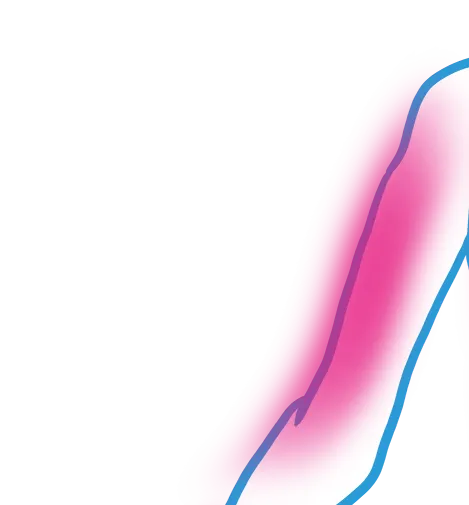
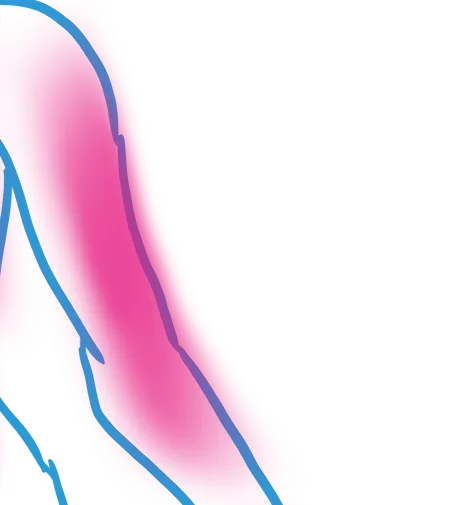
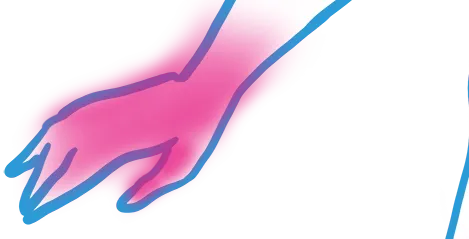
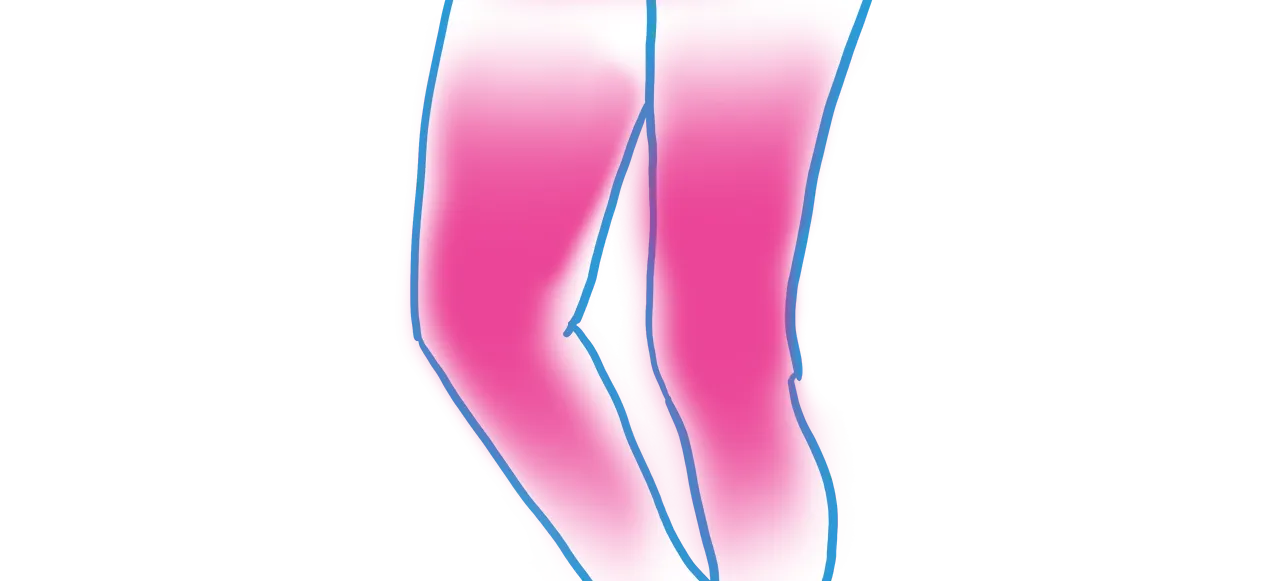
Tenosynovitis involves the inflammation of the fluid-filled sheath, called the synovium, that surrounds a tendon. This condition prevents the tendon from gliding smoothly within its protective covering, which can lead to significant discomfort and restricted movement in the affected joints. While it most frequently affects the hands, wrists, and feet, it can occur anywhere a tendon is surrounded by a sheath. If the condition is caused by an infection, it can spread rapidly and damage the tendon tissue. Key effects on the body include:
- Pain, tenderness, and swelling along the path of the affected tendon.
- Difficulty moving the joint, sometimes accompanied by a sticking or snapping sensation.
- Redness and warmth in the area if an infection is present.
Causes and Risk Factors
Causes of Tenosynovitis
The primary cause of tenosynovitis is often repetitive stress or overuse of a specific tendon, which irritates the sheath surrounding it. Sudden injuries or trauma to the area can also trigger the inflammation. In some cases, the condition is caused by an infection, typically from a cut or puncture wound that allows bacteria to enter the tendon sheath; this is known as infectious tenosynovitis. Underlying inflammatory diseases are another common cause, as conditions like rheumatoid arthritis, gout, and diabetes can predispose the synovium to inflammation. Less frequently, a specific strain or overuse pattern may not be identifiable (idiopathic).
Risk Factors
Certain factors increase the likelihood of developing tenosynovitis. Age is a factor, as tendons become less flexible and more prone to stress in adults over 40. Occupations or hobbies that require repetitive motions—such as carpentry, dentistry, typing, or playing musical instruments—significantly raise the risk. Biological sex also plays a role in specific types; for example, De Quervain's tenosynovitis is more common in women. Recent treatment with certain antibiotics, specifically fluoroquinolones, has been linked to tendon issues.
Prevention Strategies
Primary prevention focuses on avoiding the repetitive strain that often leads to inflammation. This includes maintaining good ergonomics at work, taking frequent breaks during repetitive tasks to stretch and rest the hands or feet, and strengthening the muscles around the joints to reduce tendon burden. To prevent infectious tenosynovitis, prompt and thorough cleaning of any cuts or wounds on the hands and feet is essential. For individuals with inflammatory conditions like arthritis, managing the underlying disease with medication can help prevent flare-ups of tenosynovitis.

Diagnosis, Signs, and Symptoms
Signs and Symptoms
The symptoms of tenosynovitis usually affect the area directly over the inflamed tendon. Pain and tenderness are the most consistent signs, often worsening with movement. Swelling is common and may be accompanied by warmth or redness, particularly if an infection is the cause. In cases like trigger finger (stenosing tenosynovitis), a catching, snapping, or locking sensation may occur when moving the joint. If the condition is infectious, symptoms may develop rapidly within hours or days and can include fever. Clinically meaningful symptoms include:
- Difficulty moving the joint through its full range of motion.
- Pain that shoots along the length of the tendon.
- A visible lump or nodule along the tendon sheath.
- A cracking or grating sound (crepitus) when the tendon moves.
Diagnosis
Clinicians primarily identify tenosynovitis through a physical examination. They will palpate (touch) the area to check for tenderness and swelling and ask the patient to move the joint to observe any restrictions or pain. Specific maneuvers, such as Finkelstein's test for wrist tenosynovitis, help confirm the diagnosis. If an infection is suspected, the doctor may order blood tests to check for elevated white blood cell counts. Imaging tests like ultrasound or MRI are occasionally used to rule out other conditions such as fractures or arthritis, or to assess the severity of inflammation, but they are not always necessary for a diagnosis. The condition is sometimes confused with simple tendonitis (inflammation of the tendon itself) or arthritis, but the specific localization of swelling to the sheath helps distinguish it.
Treatment and Management
Medications and Non-Surgical Treatments
The goal of treatment is to relieve pain and reduce inflammation. For non-infectious cases, the first line of defense often involves resting the affected area and applying ice packs to bring down swelling. Over-the-counter nonsteroidal anti-inflammatory drugs (NSAIDs) are frequently recommended to manage pain. Splints, braces, or casts may be prescribed to immobilize the joint, allowing the tendon sheath to heal. Physical therapy is also a key component of management, utilizing specific exercises to strengthen muscles and maintain range of motion once the acute pain subsides.
Procedures and Surgery
If conservative treatments do not provide relief, a corticosteroid injection into the tendon sheath can be highly effective at reducing severe inflammation. However, repeated injections are generally limited to avoid weakening the tendon. For chronic cases that do not respond to other therapies, surgery may be necessary to release the tight tendon sheath and allow the tendon to move freely again. In the case of infectious tenosynovitis, treatment is emergent and typically requires immediate surgery to wash out the infection, followed by a course of intravenous antibiotics.
When to Seek Medical Care
Most cases of overuse tenosynovitis are not emergencies, but medical advice should be sought if symptoms persist despite home rest. However, infectious tenosynovitis is a medical emergency. You should see a doctor immediately or go to an emergency room if you experience:
- Rapidly worsening pain, redness, or swelling.
- Fever or chills accompanying joint pain.
- Red streaks extending from the affected area up the limb.
- Inability to bend or straighten a finger or toe.

Severity and Prognosis
Severity and Course
Tenosynovitis ranges from mild, annoying discomfort to severe conditions that limit hand or foot function. Non-infectious cases are generally mild to moderate and follow a chronic or sub-acute course, often related to activity levels. With rest and treatment, these usually resolve within a few weeks to months. Infectious tenosynovitis is considered severe and acute; without rapid intervention, it can lead to permanent stiffness, tendon rupture, or the spread of infection to the bone or bloodstream.
Long-Term Effects and Complications
Most people recover completely without long-term effects. However, if left untreated or if the tendon sheath becomes permanently thickened, the condition can lead to restricted joint mobility, such as a permanently bent finger. Recurrence is possible, especially if the repetitive activity that caused the condition is resumed without ergonomic changes. Complications from surgery are rare but can include nerve damage or infection.
Prognosis
The prognosis is generally very good. Early diagnosis and adherence to treatment plans, such as wearing splints and performing therapy exercises, significantly improve outcomes. Even in cases requiring surgery, the success rate is high, with most patients returning to full function. Factors influencing a poorer prognosis include delayed treatment, underlying unmanaged diabetes, or continuing the aggravating repetitive motions.
Impact on Daily Life
Impact on Activities and Work
Tenosynovitis can significantly impact daily life, particularly for tasks requiring fine motor skills or weight bearing. Activities like typing, gripping tools, opening jars, or even walking (if the foot is affected) can become painful or impossible. Work modifications are often necessary, such as using voice-to-text software, ergonomic keyboards, or altering lifting techniques. Students may need accommodations for writing or computer use. The inability to perform routine tasks can lead to frustration, but these limitations are usually temporary.
Questions to Ask Your Healthcare Provider
Being prepared for your appointment can help you manage the condition better. Consider asking the following questions:
- Is my condition caused by an infection, or is it due to overuse?
- What specific activities or movements should I avoid while I recover?
- Would a splint or brace help, and how many hours a day should I wear it?
- what are the side effects of corticosteroid injections if I choose that option?
- How long should I wait before returning to my normal exercise or work routine?

Common Questions and Answers
Q: What is the difference between tendonitis and tenosynovitis?
A: Tendonitis is the inflammation of the tendon itself, while tenosynovitis is the inflammation of the fluid-filled sheath that surrounds the tendon. They often occur together but are distinct inflammatory processes.
Q: Will tenosynovitis go away on its own?
A: Mild cases caused by overuse may resolve with rest and home care, but ignoring persistent symptoms can lead to chronic stiffness. Infectious tenosynovitis will not go away on its own and requires urgent medical treatment.
Q: Can I prevent tenosynovitis from coming back?
A: Yes, you can often prevent recurrence by strengthening the muscles around the joint, taking frequent breaks from repetitive tasks, and using ergonomic tools to reduce strain on your tendons.
Q: Is heat or ice better for this condition?
A: Ice is generally better in the early, acute stages to reduce swelling and inflammation. Heat may be used later to help relax tight muscles and improve blood flow, but consult your doctor for specific advice.
Q: Does tenosynovitis mean I have arthritis?
A: Not necessarily. While people with rheumatoid arthritis are at higher risk for developing tenosynovitis, having tenosynovitis alone does not mean you have arthritis. It is often just a localized injury from overuse.