



Vulvovaginal candidiasis
At a Glance
 Vulvovaginal candidiasis is a common fungal infection that causes inflammation, intense itchiness, and discharge involving the vagina and the vulva, the tissues at the vaginal opening.
 This condition is most prevalent among women of reproductive age and is very common, affecting nearly three out of four women at some point in their lifetime, but it is less frequent in postmenopausal women and girls who have not yet reached puberty.
 It is typically an acute condition that responds well to short-term treatment, though a small percentage of women experience recurrent or chronic episodes that require ongoing management.
 The outlook for vulvovaginal candidiasis is generally excellent with appropriate antifungal medication, resulting in a full recovery and no long-term impact on life expectancy or overall health.











How It Affects You
Vulvovaginal candidiasis primarily affects the female reproductive organs located in the pelvis, specifically causing inflammation of the vagina and the vulva (the external genital tissues). While the infection is localized, the discomfort can be significant and affect daily physical comfort. Common effects on the body include:
- Intense itching, irritation, and soreness in the vaginal and vulvar tissues.
- Redness and swelling of the external genitalia, sometimes accompanied by a burning sensation during urination or intercourse.
- Changes in vaginal discharge, which often becomes thick, white, and clumpy, resembling cottage cheese.
Causes and Risk Factors
Biological Causes
Vulvovaginal candidiasis is caused by an overgrowth of a fungus called Candida, most commonly Candida albicans. This fungus naturally lives in the vaginal area, mouth, and digestive tract in small numbers and is usually kept in check by the body's immune system and beneficial bacteria (such as Lactobacillus). When the balance of bacteria and yeast in the vagina is disrupted, the yeast can multiply rapidly, leading to the symptoms of an infection.
Risk Factors and Triggers
Several factors can disturb the natural balance of the vaginal environment and increase the risk of developing a yeast infection. Common contributors include:
- Antibiotic use: Antibiotics can kill beneficial bacteria that keep yeast populations under control.
- Increased estrogen levels: This is common during pregnancy, while taking high-dose birth control pills, or during estrogen hormone therapy.
- Uncontrolled diabetes: Higher blood sugar levels can fuel the growth of yeast in the vaginal mucous membranes.
- Impaired immune system: Conditions or medications that weaken the immune system, such as corticosteroid therapy or HIV infection, can make it harder for the body to regulate yeast growth.
Prevention Strategies
While not all yeast infections can be prevented, certain habits may help reduce the risk of overgrowth. Primary prevention focuses on maintaining a healthy vaginal environment. Strategies include wearing cotton underwear that allows the area to breathe and avoiding tight-fitting pants or pantyhose. It is also helpful to change out of wet swimsuits or gym clothes promptly. To reduce the likelihood of recurrence, individuals should avoid douching, which removes healthy bacteria, and avoid using scented feminine hygiene products, bubble baths, or harsh soaps that can cause irritation. For those with diabetes, keeping blood sugar levels within a target range is a critical preventive step.
Diagnosis, Signs, and Symptoms
Common Signs and Symptoms
The symptoms of vulvovaginal candidiasis can range from mild to severe and often develop rapidly. The most recognizable symptom is intense itching and irritation in the vagina and vulva. Other common clinical signs include:
- A burning sensation, particularly during intercourse or while urinating.
- Redness and swelling of the vulva.
- Vaginal soreness or pain.
- Vaginal discharge that is typically thick, white, and odor-free, often described as looking like cottage cheese, although some infections may present with watery discharge.
Diagnostic Methods
Clinicians diagnose vulvovaginal candidiasis by reviewing the patient's medical history and performing a pelvic examination. During the exam, the doctor inspects the external genitalia for signs of infection and may use a speculum to examine the vagina and cervix. To confirm the diagnosis, a sample of vaginal discharge is often taken. This sample can be examined under a microscope (a wet mount test) or sent to a laboratory for a culture test. A culture is particularly useful if the infection does not respond to standard treatment or if it is recurring, as it can identify the specific type of yeast causing the problem.
Differential Diagnosis
It is important to confirm the diagnosis because symptoms of a yeast infection can mimic other conditions. These include bacterial vaginosis (which typically has a strong fishy odor), trichomoniasis (a sexually transmitted infection), and contact dermatitis (skin irritation from chemicals or fabrics). Proper identification ensures that the correct treatment is prescribed.
Treatment and Management
Medical Treatments
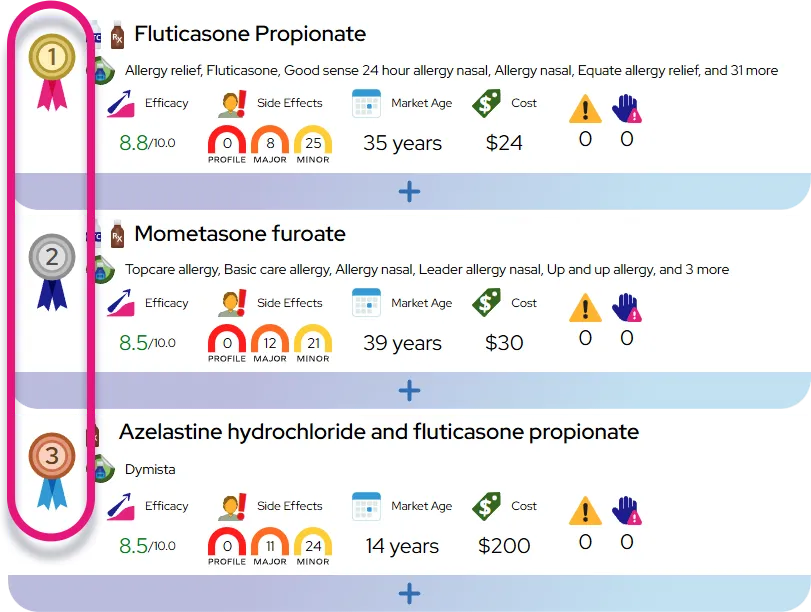
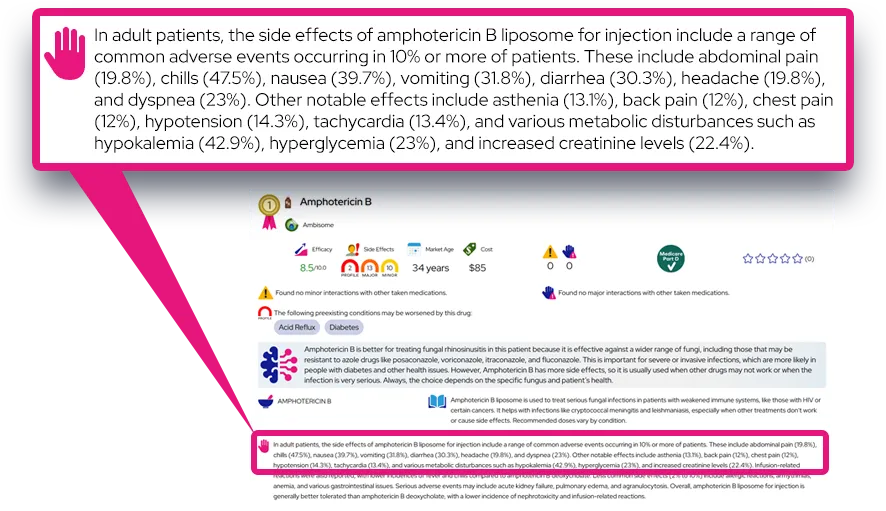
Treatment for vulvovaginal candidiasis is generally effective and straightforward. The standard approach involves antifungal medications that stop the overgrowth of yeast. These medications are available in different forms:
- Topical therapies: Antifungal creams, ointments, or suppositories (tablets inserted into the vagina) are applied for a specific duration, typically ranging from one to seven days.
- Oral medication: A single dose of an oral antifungal medication, such as fluconazole, is commonly prescribed for uncomplicated infections.
Management of Complicated Cases
For infections that are severe, recurrent (occurring four or more times a year), or caused by a less common type of yeast, a longer course of therapy may be necessary. This might involve taking oral medication for several doses or using topical therapy for up to two weeks. Maintenance therapy, involving weekly medication for several months, may be recommended to prevent recurrence in chronic cases.
Self-Care and Lifestyle Strategies
Alongside medical treatment, self-care can help soothe symptoms. Applying a cool, damp cloth to the vulvar area may relieve itching. Avoiding sexual intercourse until the infection has cleared prevents further irritation and allows the tissues to heal. It is also important to avoid scratching, which can worsen inflammation and lead to skin breaks.
When to Seek Medical Care
It is important to see a healthcare provider if symptoms are present for the first time to ensure an accurate diagnosis. Medical attention should also be sought if:
- Symptoms do not improve after using over-the-counter antifungal creams.
- The infection returns frequently.
- Symptoms are severe, involving extensive redness, swelling, or sores.
- The individual is pregnant, as oral medications may not be suitable.
- New symptoms develop, such as fever or lower abdominal pain.
Severity and Prognosis
Severity Levels
Vulvovaginal candidiasis is generally classified as either uncomplicated or complicated. Uncomplicated cases are mild to moderate, occur infrequently, and are caused by the common Candida albicans fungus in women with healthy immune systems. Complicated cases are defined by severe symptoms (such as extensive redness, swelling, and cracks in the skin), recurrent episodes, or infections in women with uncontrolled diabetes, pregnancy, or weakened immune systems. Most cases are mild and resolve quickly with treatment.
Duration and Recurrence
With appropriate treatment, symptoms usually resolve within a few days to a week. However, some women experience recurrent vulvovaginal candidiasis (RVVC), defined as having four or more specific episodes in one year. These cases require longer-term management strategies to suppress the yeast population. The condition is not permanent, but susceptibility can persist depending on underlying risk factors.
Complications and Prognosis
The prognosis is excellent, and the condition rarely leads to serious health problems. Complications are uncommon but can include secondary bacterial infections of the skin caused by scratching raw or irritated tissue. In extremely rare cases involving individuals with severely compromised immune systems, the yeast infection could become invasive, but this is distinct from typical vaginal yeast infections. Vulvovaginal candidiasis does not cause permanent damage to the reproductive organs and does not affect fertility.
Impact on Daily Life
Impact on Daily Activities and Intimacy
While vulvovaginal candidiasis is not dangerous, the symptoms can be distressing and disruptive. The intense itching and burning can make sitting, walking, or wearing tight clothing uncomfortable. Urination may be painful if the urine touches irritated tissues. Sexual activity is often painful and may exacerbate symptoms, leading many women to avoid intimacy during an active infection. This temporary disruption can cause frustration or anxiety, particularly if the infection keeps coming back.
Coping Strategies
Managing the condition involves practical steps to maximize comfort. Wearing loose, breathable cotton clothing and avoiding pantyhose can reduce moisture retention. Sleeping without underwear can also help keep the area dry. Using unscented laundry detergents and avoiding hot baths can prevent further irritation. Recognizing early signs allows for prompt treatment, minimizing the duration of discomfort.
Questions to Ask Your Healthcare Provider
Being prepared for a medical appointment can help clarify the diagnosis and treatment plan. Useful questions include:
- Is this definitely a yeast infection, or could it be another type of vaginal infection?
- What specific medication do you recommend, and how long will it take to work?
- Are there over-the-counter options that would work for me, or do I need a prescription?
- If I am using an antifungal cream, will it affect the reliability of condoms or diaphragms?
- What should I do if the symptoms do not go away after finishing the treatment?
- How can I prevent this from happening again?
- Do I need to be tested for other infections?
Common Questions and Answers
Q: Can I treat a yeast infection at home without seeing a doctor?
A: If you have had a yeast infection before and recognize the symptoms, you can often use over-the-counter antifungal creams or suppositories. However, if this is your first time experiencing symptoms, or if you are pregnant, you should see a doctor to confirm the diagnosis before starting treatment.
Q: Is vulvovaginal candidiasis a sexually transmitted infection (STI)?
A: No, it is not considered an STI. Yeast is naturally present in the vagina. However, sexual activity can sometimes trigger an infection by disrupting the natural bacterial balance, and it is possible to pass the yeast to a partner during sex.
Q: Will eating yogurt cure a yeast infection?
A: While some yogurt contains live cultures (probiotics) that are good for general health, eating yogurt or applying it topically is not a proven cure for an active yeast infection. Antifungal medication is the most effective treatment.
Q: Can I have sex while I have a yeast infection?
A: It is generally recommended to avoid vaginal intercourse until the infection has cleared. Sex can be painful, may increase inflammation, and could potentially transmit the infection to a partner or delay healing.
Q: Why do I keep getting yeast infections?
A: Recurrent infections can happen for various reasons, including antibiotic use, high estrogen levels, uncontrolled blood sugar, or using irritants like douches. Sometimes the cause is a different strain of yeast that resists standard treatments. A healthcare provider can help identify the underlying cause.