



At a Glance
 Armodafinil is FDA-approved in adults to improve wakefulness in excessive sleepiness associated with narcolepsy, obstructive sleep apnea, and shift work disorder.
 Generic/Biosimilar name: Armodafinil.
 Active ingredient: Armodafinil.

 Administration route: Oral.
 Typical adult dosing is 150–250 mg by mouth once each morning for narcolepsy or obstructive sleep apnea, or 150 mg about 1 hour before the work shift for shift work disorder.

How It Works
- Armodafinil is a wakefulness-promoting medicine that helps you feel less sleepy during the day but does not cure the underlying sleep disorder.
- It works mainly by increasing certain brain chemicals, especially dopamine, and also affects others involved in alertness such as norepinephrine and orexin.
- The exact way it works is not fully understood, but it generally improves alertness with a lower risk of jitteriness than many traditional stimulants.
Treatment and Efficacy
Approved indications: Armodafinil is approved for adults to improve wakefulness in excessive sleepiness due to narcolepsy, obstructive sleep apnea (as an add-on to primary treatment like CPAP), and shift work disorder.
Off‑label uses and evidence: Clinicians sometimes use armodafinil off‑label for conditions such as residual fatigue in depression, multiple sclerosis–related fatigue, and attention-deficit/hyperactivity disorder; evidence ranges from small trials to mixed or limited data, so benefits are less certain than for its approved uses, and it is not approved as a general cognitive enhancer.
Efficacy expectations and timing: Many people notice increased alertness on the first day, with stable benefit over several days to weeks when taken regularly; it reduces unplanned sleep episodes and improves ability to stay awake but does not normalize sleep in everyone and does not replace treatment of the underlying disorder (for example, continued CPAP use in obstructive sleep apnea remains essential).
Comparison to similar drugs: Its overall wake-promoting effect is similar to modafinil, with a somewhat longer half-life that can provide sustained coverage for the waking day, and it tends to cause fewer classic stimulant effects (such as marked euphoria or rebound crashes) than amphetamines, though individual responses vary.

Dosage and Administration
Typical adult dosing: For narcolepsy or obstructive sleep apnea, the usual adult dose is 150–250 mg by mouth once each morning; for shift work disorder, the usual dose is 150 mg taken about 1 hour before the start of the work shift. Dosing may be adjusted by the prescriber based on response and tolerability.
How to take: Swallow tablets whole with water, with or without food; a high‑fat meal may delay the time it takes to start working, so consistent timing relative to meals is helpful. Take in the morning (or before the shift for shift work disorder) to avoid insomnia, and continue your primary treatment for underlying conditions (for example, CPAP for obstructive sleep apnea) as directed.
Special dosing instructions: People with significant liver impairment or certain other medical conditions may need lower doses. Do not change the dose, split tablets, or take extra doses without checking with your prescriber, and avoid taking it late in the day unless specifically instructed, to reduce sleep disruption.
Missed dose: If you miss a dose and it is still relatively early in your usual waking period, take it when you remember; if it is close to your planned bedtime or late in the day, skip the missed dose and resume the next day. Do not double the next dose to make up for a missed one.
Overdose: Signs of overdose can include severe restlessness, confusion, agitation, fast or irregular heartbeat, high blood pressure, nausea, or insomnia; in case of suspected overdose, call your local poison control center (in the U.S., 1‑800‑222‑1222) or seek emergency medical care immediately.
Safety and Side Effects
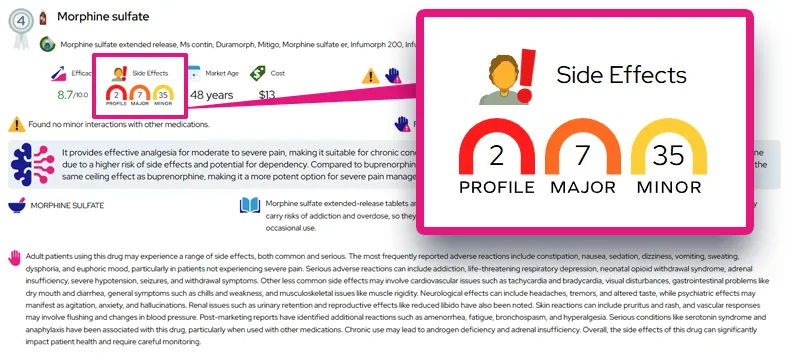
Common side effects: The most frequent side effects include headache, nausea, dry mouth, decreased appetite, anxiety or nervousness, dizziness, and trouble sleeping if taken too late in the day; these usually appear early in treatment, are mild to moderate, and often lessen over time.
Serious or rare adverse effects: Seek urgent medical attention for signs of severe rash or skin reaction (blistering, peeling, sores in mouth or eyes), allergic reaction (swelling of face or throat, trouble breathing), chest pain, fast or irregular heartbeat, markedly high blood pressure, new or worsening agitation, depression, suicidal thoughts, hallucinations, or mania.
Warnings and precautions: Armodafinil is not approved for children or adolescents because similar drugs have been linked to serious skin reactions in younger patients; use cautiously or at lower doses in older adults, people with heart disease, high blood pressure, liver problems, or a history of mental health conditions such as psychosis, bipolar disorder, or severe anxiety. In pregnancy, data are limited and animal studies suggest potential risk, so use only if clearly needed; the drug can reduce the effectiveness of hormonal birth control, so an additional non-hormonal method is recommended during use and for about 1 month after stopping. For breastfeeding, limited information is available, so discuss potential risks and benefits with a clinician.
Overall safety profile: Compared with traditional stimulants (like amphetamines), armodafinil generally has a lower risk of pronounced increases in heart rate and blood pressure and a lower abuse potential, but it is still a Schedule IV controlled substance and can be misused; careful use and follow-up are important.
Reporting and safety updates: Side effects can be reported to the FDA MedWatch program, and up-to-date safety communications are available on the FDA’s website and through the medication guide that comes with the prescription.
Interactions and Precautions
Prescription and OTC drug interactions: Armodafinil can speed up the breakdown of some medicines (by inducing CYP3A4), lowering their levels and effectiveness, including certain hormonal contraceptives, cyclosporine, and some other drugs; it can also slow the breakdown of others (by inhibiting CYP2C19), potentially increasing levels of medicines such as some proton pump inhibitors and antiseizure or antidepressant drugs. Combining it with other stimulants (e.g., amphetamines, methylphenidate) or decongestants (e.g., pseudoephedrine) can further raise heart rate and blood pressure.
Interactions with supplements, foods, and alcohol: Herbal products that affect liver enzymes, such as St. John’s wort, may alter armodafinil or other drug levels and are best avoided unless reviewed with a clinician. There are no major food restrictions, but taking it at the same time relative to meals helps keep effects predictable. Alcohol can have unpredictable effects (either stronger or weaker intoxication) when combined with armodafinil, so limiting or avoiding alcohol is usually recommended.
Precautions and when use may be unsafe: Use cautiously or avoid in people with a history of serious rash from modafinil or armodafinil, uncontrolled high blood pressure, significant heart rhythm problems, structural heart disease, or uncontrolled psychiatric illness. Because it can reduce hormonal contraceptive effectiveness, patients using birth control pills, patches, rings, implants, or some IUDs should use an additional non-hormonal method during treatment and for about 1 month after stopping.
Monitoring needs: Clinicians often monitor blood pressure, heart rate, sleep patterns, and mental health symptoms, especially early in treatment or after dose changes. People with liver disease or those taking multiple interacting medications may need closer monitoring and occasional blood tests to ensure safe use.
Common Questions and Answers
Q: Is armodafinil a stimulant like amphetamines?
A: Armodafinil is a wakefulness-promoting agent with some stimulant-like effects on the brain, but it is chemically different from amphetamines and generally has a lower risk of jitteriness and abuse, though it is still a controlled substance.
Q: How long does armodafinil last in the body?
A: Many people feel its effects for most of the waking day, and its half-life is roughly 15 hours, so it is usually taken once daily in the morning or before a work shift.
Q: Can I take armodafinil with coffee or other caffeine?
A: Caffeine and armodafinil can be used together, but the combination may increase nervousness, rapid heartbeat, or trouble sleeping, so it is best to limit caffeine until you know how the medicine affects you.
Q: Will armodafinil interfere with my birth control?
A: Yes, armodafinil can make hormonal birth control (such as pills, patches, and some implants) less effective, so an additional reliable non-hormonal method is recommended during treatment and for about 1 month after stopping.
Q: What should I do if armodafinil keeps me from sleeping at night?
A: Talk with your prescriber about moving the dose earlier in the day, lowering the dose, or adjusting other sleep habits; do not change the dose or stop suddenly without medical advice.
Q: How is armodafinil different from modafinil?
A: Armodafinil is the R-enantiomer of modafinil and tends to have a slightly longer duration of action, but in practice their wake-promoting effects and side-effect profiles are very similar for most people.
Better Treatment, Lower Cost – No Catch.
Find safer, more effective medications with fewer side effects – often for less money. It’s fast, free, and personalized. Learn More →
Disposal Guidance
Storage: Keep armodafinil tablets at room temperature (about 68–77°F / 20–25°C), in a tightly closed original container, away from moisture, heat, and direct light, and out of reach of children and pets.
Disposal: Use a local medicine take-back program if available, or, if none is accessible, mix unused tablets (without crushing) with an undesirable substance such as used coffee grounds or cat litter, place in a sealed bag or container, and throw in household trash; do not flush tablets down the toilet unless specifically instructed.