



At a Glance
 Oral sumatriptan and naproxen sodium is FDA-approved for the acute treatment of migraine with or without aura in adults and adolescents 12 years and older, and is not for migraine prevention.
 Generic/Biosimilar name: Sumatriptan and naproxen sodium.
 Active ingredients: Naproxen Sodium, Sumatriptan Succinate.

 Administration route: Oral.
 Typical dosing is 1 tablet taken by mouth at the start of a migraine attack, with a possible second tablet after at least 2 hours, not exceeding 2 tablets in 24 hours.

How It Works
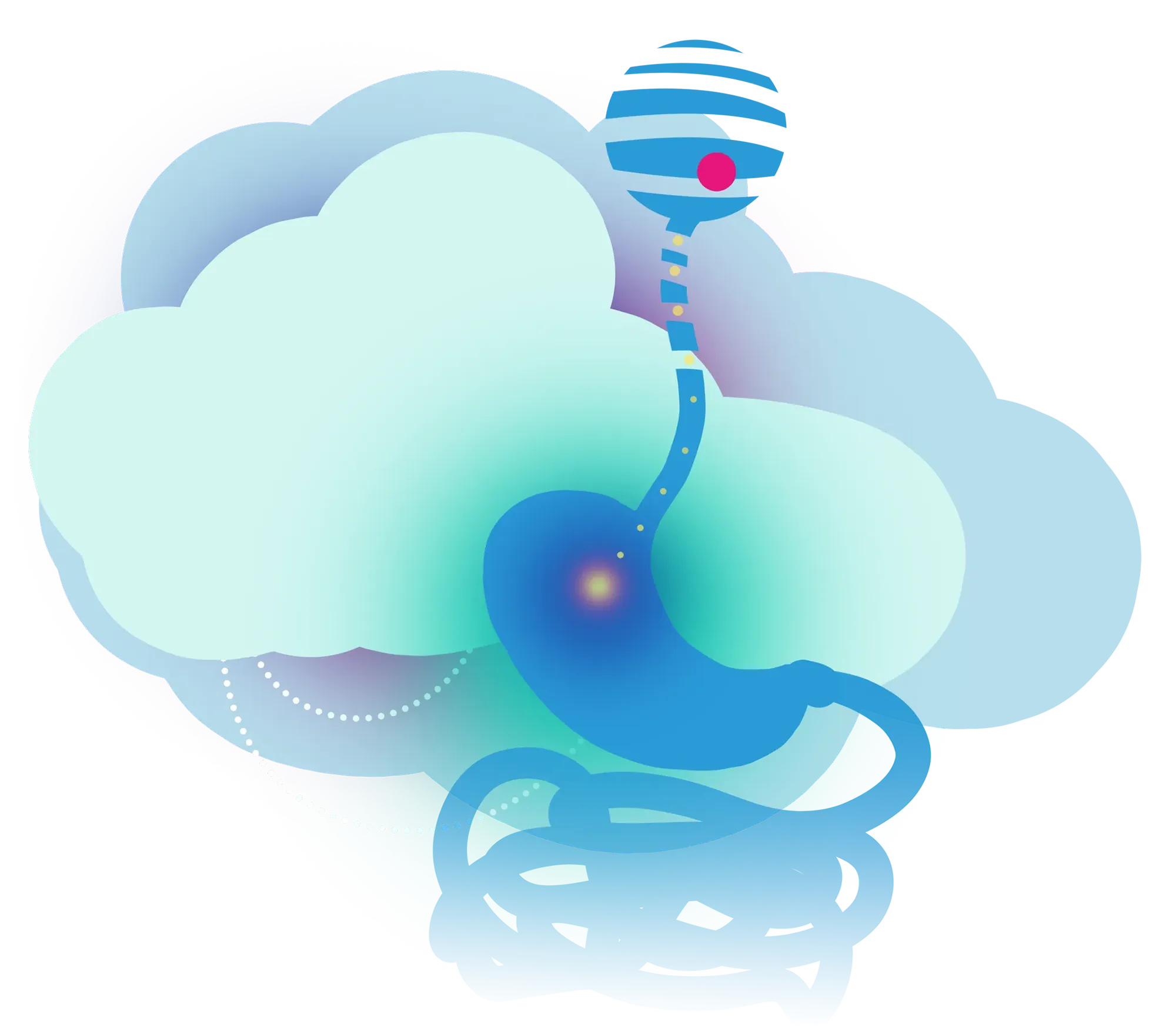
- Sumatriptan narrows widened blood vessels around the brain and blocks pain pathways involved in migraine.
- Naproxen sodium reduces inflammation and pain by blocking prostaglandins (natural substances that cause pain and swelling).
- Together, they can relieve migraine pain and associated symptoms more effectively and for longer than either medicine alone for many people.
Treatment and Efficacy
Approved indications: This combination is approved for the acute treatment of migraine attacks, with or without aura, in adults and adolescents 12 years and older; it is not intended for prevention of migraines or for other headache types (such as cluster headaches or hemiplegic migraine).
Off-label uses: Off-label use of the fixed combination is uncommon, as clinicians more often prescribe separate triptans or NSAIDs for other headache or pain conditions; evidence beyond its labeled use in migraine is limited, so off-label prescribing is generally cautious and individualized.
Efficacy expectations: Many patients experience meaningful pain relief within about 2 hours of a dose, with some noticing improvement as early as 30–60 minutes, and the combination can reduce recurrence of pain compared with sumatriptan alone for some people.
Typical clinical outcomes: A substantial proportion of patients achieve reduced headache intensity, improvement in associated symptoms (nausea, sensitivity to light and sound), and better ability to function during an attack, although some individuals may not respond or may need alternative therapies.
Comparison to similar drugs: Compared with triptan-only products, this combination may provide stronger and longer-lasting relief for certain patients but also carries the additional risks of an NSAID (such as stomach and kidney side effects), so choice among therapies depends on migraine pattern, prior response, and individual risk factors.

Dosage and Administration
Typical adult dosing: For adults, the usual dose is 1 tablet taken by mouth at the first sign of a migraine; if the headache returns or does not fully resolve, a second tablet may be taken at least 2 hours after the first, with a maximum of 2 tablets in any 24-hour period, and safety of treating more than about 5 migraines per month has not been firmly established.
Adolescent dosing (12–17 years): Adolescents use lower-strength tablets based on weight and clinician guidance, typically starting with 1 tablet at migraine onset, and may take a second dose after at least 2 hours if advised, without exceeding the prescribed daily maximum.
How to take: Swallow tablets whole with water, with or without food (food may slow onset slightly but can lessen stomach upset); do not split, crush, or chew the tablets, and use only for a diagnosed migraine attack, not for other types of headache or for daily prevention.
Special dosing instructions: Do not take more than the prescribed number of doses in 24 hours or on more days per month than your clinician recommends, as frequent use of acute migraine medicines can lead to medication-overuse (rebound) headache; people with kidney, liver, heart, or stomach problems may need dose limits or alternative treatments.
Missed-dose guidance: Because this medicine is taken as needed for migraine, there is no regular dosing schedule; if a migraine begins and it has been at least 2 hours since any previous dose, you may take a dose as directed, but do not take extra tablets to “make up” for a missed dose.
Overdose: Taking more than the recommended amount can increase risks of serious heart, brain, stomach, kidney, and liver problems; in case of suspected overdose, contact emergency services or a poison control center right away, and do not wait for symptoms to appear.
Safety and Side Effects
Common side effects: Frequent effects include dizziness, drowsiness, fatigue, nausea, dry mouth, heartburn, stomach discomfort, and tingling or warmth sensations; these typically start within a few hours of dosing, are usually mild to moderate, and often improve as the drug wears off.
Serious or rare adverse effects: Seek immediate medical attention for chest pain or pressure, shortness of breath, sudden weakness or trouble speaking (possible heart attack or stroke), severe or bloody stomach pain, black or bloody stools, vomiting blood, severe allergic reactions (swelling of face or throat, trouble breathing, rash or hives), vision changes, seizures, or signs of a severe skin reaction (widespread rash, blistering, peeling).
Warnings and precautions – heart and blood vessels: Sumatriptan can narrow blood vessels and should not be used in people with a history of coronary artery disease, stroke, uncontrolled high blood pressure, or certain types of migraine (hemiplegic or basilar); naproxen, like other NSAIDs, can increase the risk of heart attack and stroke, especially with higher doses, longer use, or existing cardiovascular disease.
Warnings and precautions – stomach, kidneys, and liver: Naproxen can cause stomach ulcers and bleeding and should be used cautiously in those with a history of ulcers, GI bleeding, or taking blood thinners; it may worsen kidney function, particularly in older adults, dehydrated patients, or those with pre-existing kidney disease, and both components may require caution or avoidance in significant liver disease.
Pregnancy and breastfeeding: Use during pregnancy, especially after 20 weeks (and particularly in the third trimester), is generally avoided because NSAIDs like naproxen can affect the fetal kidneys and heart and increase bleeding risk; in breastfeeding, sumatriptan passes into milk in small amounts and naproxen has a longer half-life, so the drug is used only if clearly needed and after discussing risks and alternatives with a clinician.
Age limits: The product is approved for adults and adolescents 12 years and older; safety and effectiveness in children under 12 years have not been established.
Relative safety compared with other options: When used as directed in appropriate patients without major heart, stomach, kidney, or liver conditions, its safety profile is similar to using a triptan plus an NSAID separately, but individuals at higher cardiovascular or gastrointestinal risk may be steered toward other acute migraine treatments.
Reporting side effects and safety updates: Patients and caregivers can report suspected side effects to the FDA MedWatch program or to the manufacturer, and they can check the FDA website for ongoing safety communications, boxed warnings, or label updates related to sumatriptan, naproxen, and NSAID or triptan class effects.

Interactions and Precautions
Prescription drug interactions: Avoid using this medicine within 24 hours of another triptan or ergot-containing migraine drug (such as ergotamine or dihydroergotamine) because of additive blood-vessel narrowing; use caution with antidepressants that increase serotonin (SSRIs, SNRIs, tricyclics, MAO inhibitors) due to the risk of serotonin syndrome; and naproxen can interact with blood thinners (warfarin, DOACs), antiplatelet drugs (aspirin, clopidogrel), some blood pressure medicines (ACE inhibitors, ARBs, certain diuretics), lithium, and high-dose methotrexate.
OTC medicines and supplements: Combining with other NSAIDs (ibuprofen, naproxen, high-dose aspirin) or many cold and pain remedies that contain NSAIDs increases the chance of stomach bleeding and kidney problems; some herbal products and supplements that affect bleeding (such as ginkgo, garlic, or high-dose fish oil) may further raise bleeding risk when taken with naproxen.
Food, alcohol, and lifestyle: Alcohol can irritate the stomach and increase the risk of GI bleeding with naproxen, so limiting or avoiding alcohol when using this medicine is advisable; there are no major food restrictions, though taking the tablet with a small snack may decrease stomach upset in sensitive individuals.
Conditions making use unsafe or higher risk: This drug is generally avoided in people with known coronary artery disease, stroke or TIA, peripheral vascular disease, certain serious heart rhythm or structural problems, uncontrolled high blood pressure, severe liver disease, advanced kidney disease, active stomach ulcers or GI bleeding, or a history of severe allergic reaction to sumatriptan, naproxen, aspirin, or other NSAIDs.
Monitoring needs: Clinicians may periodically check blood pressure, kidney function, and sometimes liver tests in patients who use the medicine frequently or who have underlying conditions; those with cardiovascular risk factors may need an initial heart evaluation before starting a triptan-containing product.

Common Questions and Answers
Q: Is sumatriptan and naproxen sodium used to prevent migraines or only to treat them when they start?
A: It is designed only for the acute treatment of migraine attacks once they begin and should not be taken daily for prevention; preventive migraine medicines are different and are taken on a regular schedule.
Q: How quickly should I expect my migraine to improve after taking a dose?
A: Many people notice some relief within 1–2 hours after taking a tablet, with some experiencing earlier improvement, but the exact timing and degree of relief can vary from one person or attack to another.
Q: Can I take this medicine with my usual over-the-counter pain relievers?
A: Because it already contains an NSAID (naproxen), you should generally avoid taking extra NSAIDs like ibuprofen, more naproxen, or high-dose aspirin at the same time unless your clinician specifically instructs otherwise, though low-dose aspirin for heart protection may sometimes be continued under medical guidance.
Q: What if my headache comes back after it goes away with the first tablet?
A: If your headache returns and at least 2 hours have passed since the first dose, you may usually take a second tablet as prescribed, but you should not exceed 2 tablets in 24 hours or use it on more days per month than your clinician recommends.
Q: Is it safe to use this medicine if I have heart disease or high blood pressure?
A: People with known heart disease, history of stroke, or uncontrolled high blood pressure are often advised not to use triptan-containing medications like this; if you have cardiovascular risk factors or blood-pressure issues, you should discuss them with your clinician before starting the drug so they can determine whether it is appropriate and whether any extra testing is needed.
Better Treatment, Lower Cost – No Catch.
Find safer, more effective medications with fewer side effects – often for less money. It’s fast, free, and personalized. Learn More →
Disposal Guidance
Storage: Store tablets at room temperature (generally 68°F to 77°F / 20°C to 25°C), protected from moisture and excessive heat, and keep them in the original, tightly closed container.
Child safety: Keep out of reach of children and pets, and do not store in places with high humidity such as bathrooms if possible.
Disposal: Do not use tablets past the expiration date; dispose of unused or expired medicine through a community drug take-back program when available, or follow local guidance for household trash (remove from original bottle, mix with undesirable material like used coffee grounds, and seal in a bag) rather than flushing unless specifically instructed.