




Category: News
-
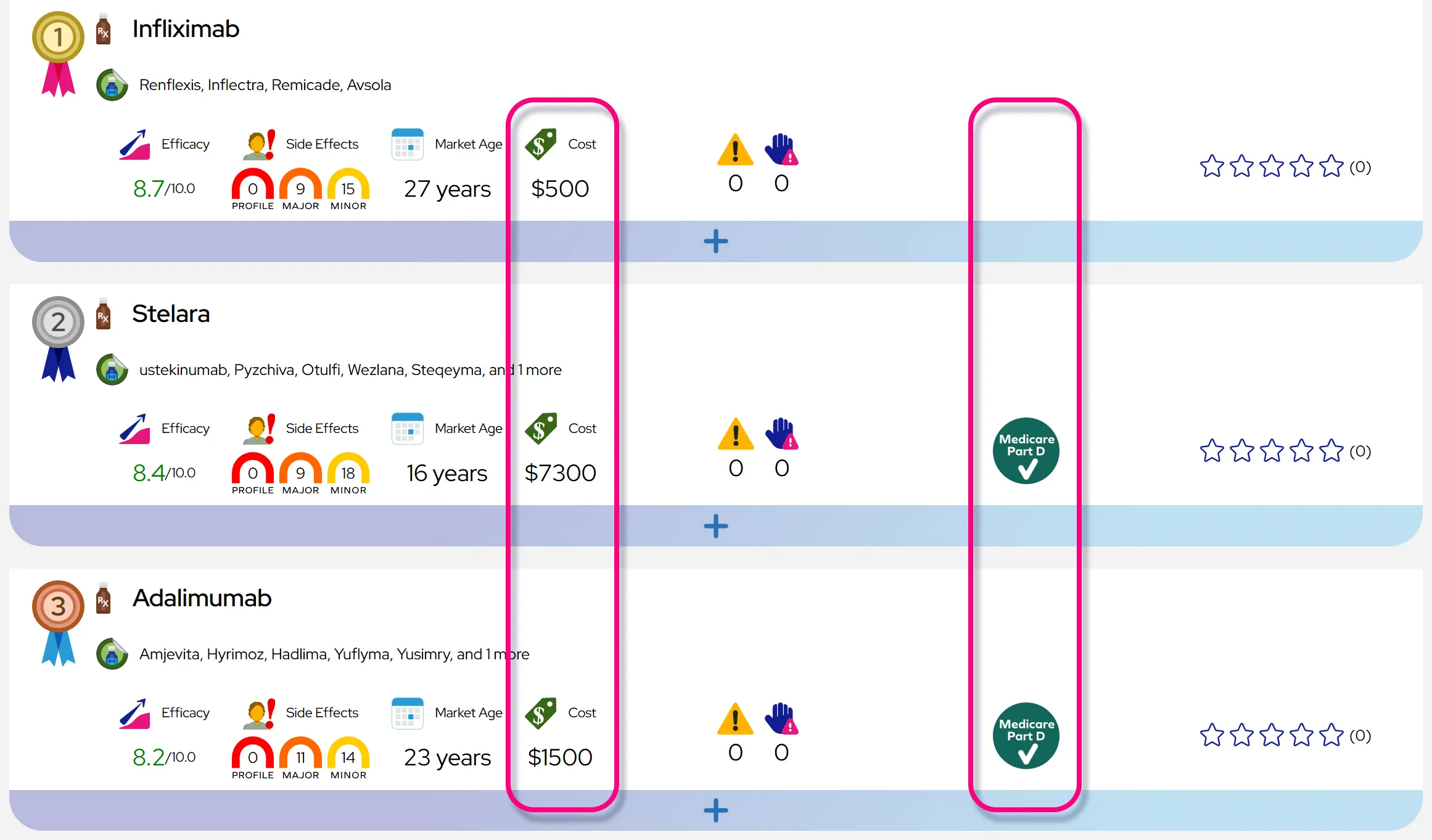
Get a Second Opinion Launches America’s First Pre‑Prescription Intelligence Platform
Get a Second Opinion today announced the nationwide debut of Pre‑Prescription Intelligence, a real‑time medication decision system that gives every patient clear visibility into efficacy, safety, interactions, and cost before a prescription is written. The platform delivers personalized guidance without requiring any personally identifiable information (PII), making it the first national‑scale medication intelligence system built…
-

Ensitrelvir Shows a Major Breakthrough in COVID-19 Prevention
As COVID-19 continues to evolve, one of the biggest challenges has been stopping the virus from spreading inside homes. When one person gets sick, the rest of the household is often at high risk. For years, there were vaccines to reduce severe illness, but there were no oral medications proven to prevent infection after exposure.…
-

Cyclospora Outbreak Surges Nationwide
Cyclospora infections have been rising sharply across the United States, and by July 20 the numbers showed a clear pattern: a major nationwide surge combined with a large, well-defined outbreak linked to iceberg lettuce. Together, these two streams of data paint a picture of a parasite that is spreading more widely than usual and causing…
-
A Major Step Toward an HIV Vaccine: A Turning Point in the Fight Against HIV
For more than forty years, scientists have been trying to develop a vaccine that can protect people from HIV. The virus mutates quickly, hides behind sugar molecules, and evades the immune system in ways that make traditional vaccine approaches ineffective. But on July 9, 2026, researchers announced a breakthrough that could finally change the trajectory…
-

The Measles Surge of 2026: Why July Marked a Turning Point for the United States
Measles was once considered eliminated in the United States, but the events of 2026 made it clear that the virus has regained a foothold. By early July, public health officials were sounding alarms as case numbers climbed at a pace not seen in decades. The update released around July 6 was especially significant because it…
-
A Breakthrough in Early Autism Detection: How a Simple Nanosensor Could Change Diagnosis Forever
Autism has always been one of the most challenging conditions to diagnose early. Parents often wait years for clarity, navigating long evaluation processes and inconsistent screening tools. But a new study published in June 2026 introduced something genuinely groundbreaking: a nanosensor that can detect autism using a simple biochemical signal inside patient-derived stem cells. It…
-
Protein Powders and Shakes Contain High Levels of Lead: What Consumer Reports Found and What You Should Know
Protein powders and ready-to-drink shakes have become part of everyday life for millions of people. They’re in gym bags, office drawers, kitchen cabinets, and even school backpacks. Many people use them to build muscle, lose weight, recover from workouts, or simply get more protein without cooking. But a major new investigation by Consumer Reports has…
-

FDA Approves a New Sunscreen Ingredient for the First Time in 20 Years: What It Means for You
For the first time in two decades, Americans are finally getting access to a new sunscreen active ingredient. On June 9, 2026, the U.S. Food and Drug Administration (FDA) officially approved bemotrizinol as a permitted sunscreen filter, marking a major shift in how well U.S. sunscreens can protect against the sun’s most harmful rays. If…
-
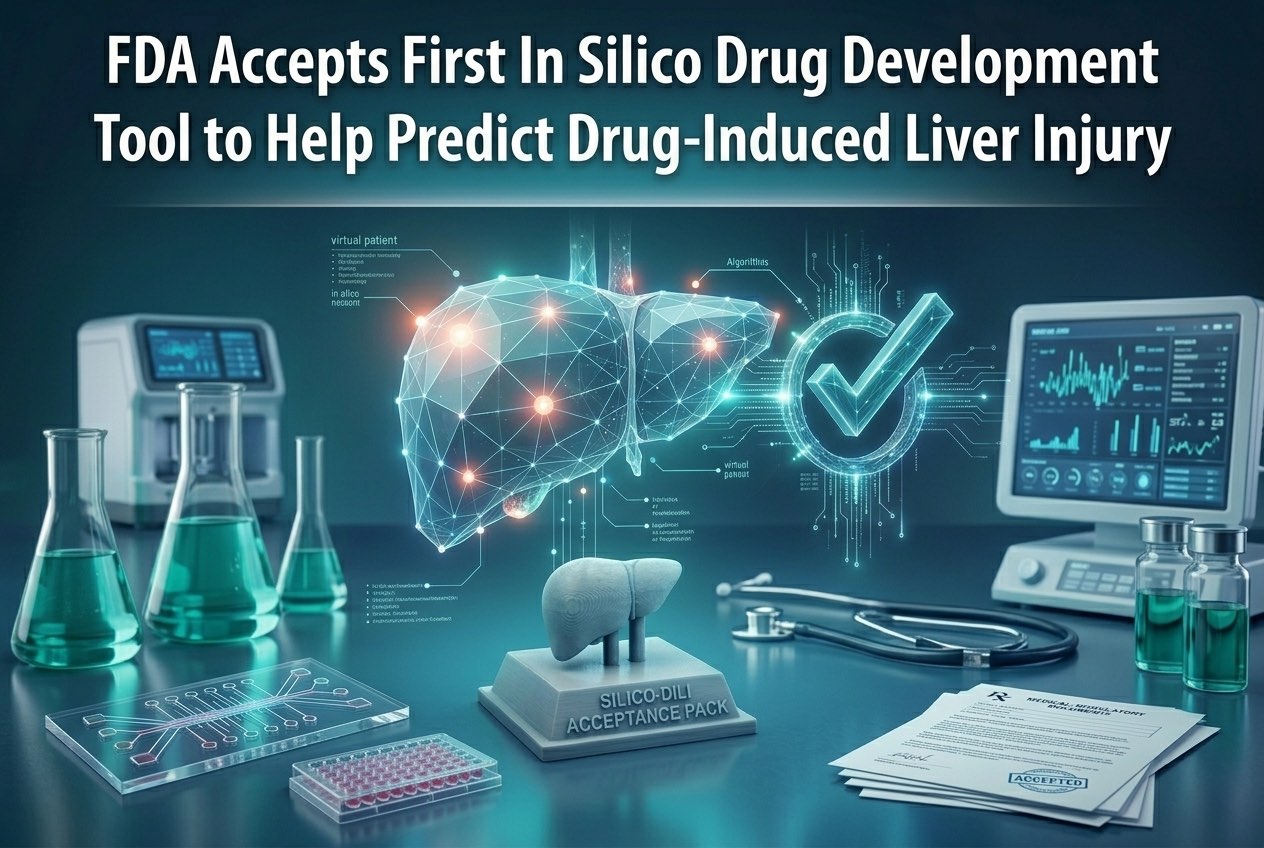
FDA Accepts First In Silico Drug Development Tool Under ISTAND Program to Help Predict Drug‑Induced Liver Injury
The U.S. Food and Drug Administration has taken an important step toward modernizing how new medicines are evaluated before they ever reach human testing. In early June 2026, the agency announced that it accepted the first Letter of Intent for an in silico, or computer‑based, drug development tool designed to help predict drug‑induced liver injury.…
-
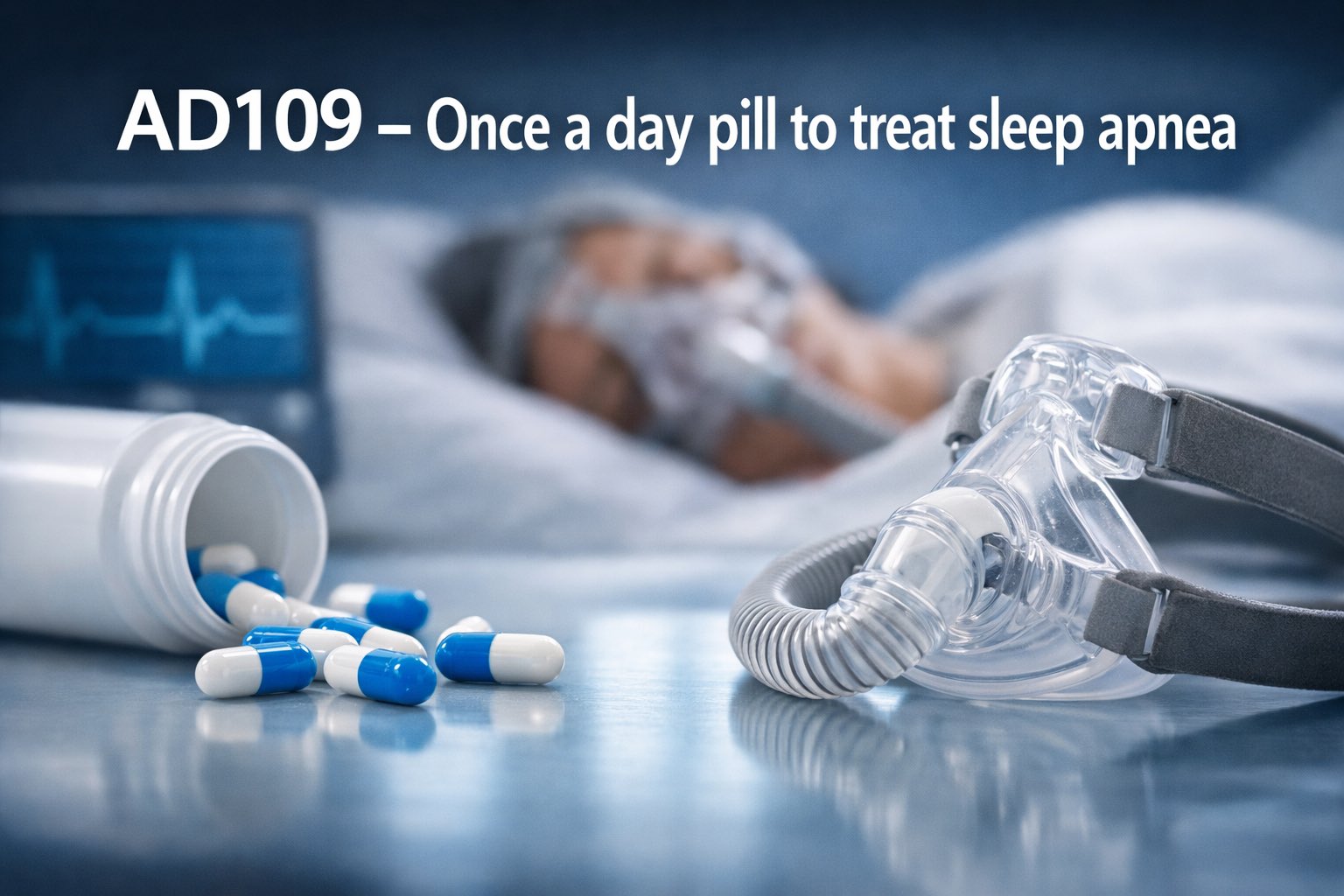
AD109 and the SynAIRgy Phase 3 Trial: What a Once Daily Pill Could Mean for Treating Obstructive Sleep Apnea
Obstructive sleep apnea, or OSA, affects millions of adults and often goes untreated because the most common therapy – the CPAP machine – can be uncomfortable or difficult to use every night. Many people simply cannot tolerate the mask, the noise, or the feeling of forced air. For years, researchers have been searching for an…